 Europe
  United Kingdom
  Türkiye
  USA & Canada
  APAC
APAC  الشرق الأوسط
 Case Studies
  Materials Library
  Articles
  E-Books & Guides
  Webinars
  Free Courses
  Community Discussions
  Free Tools
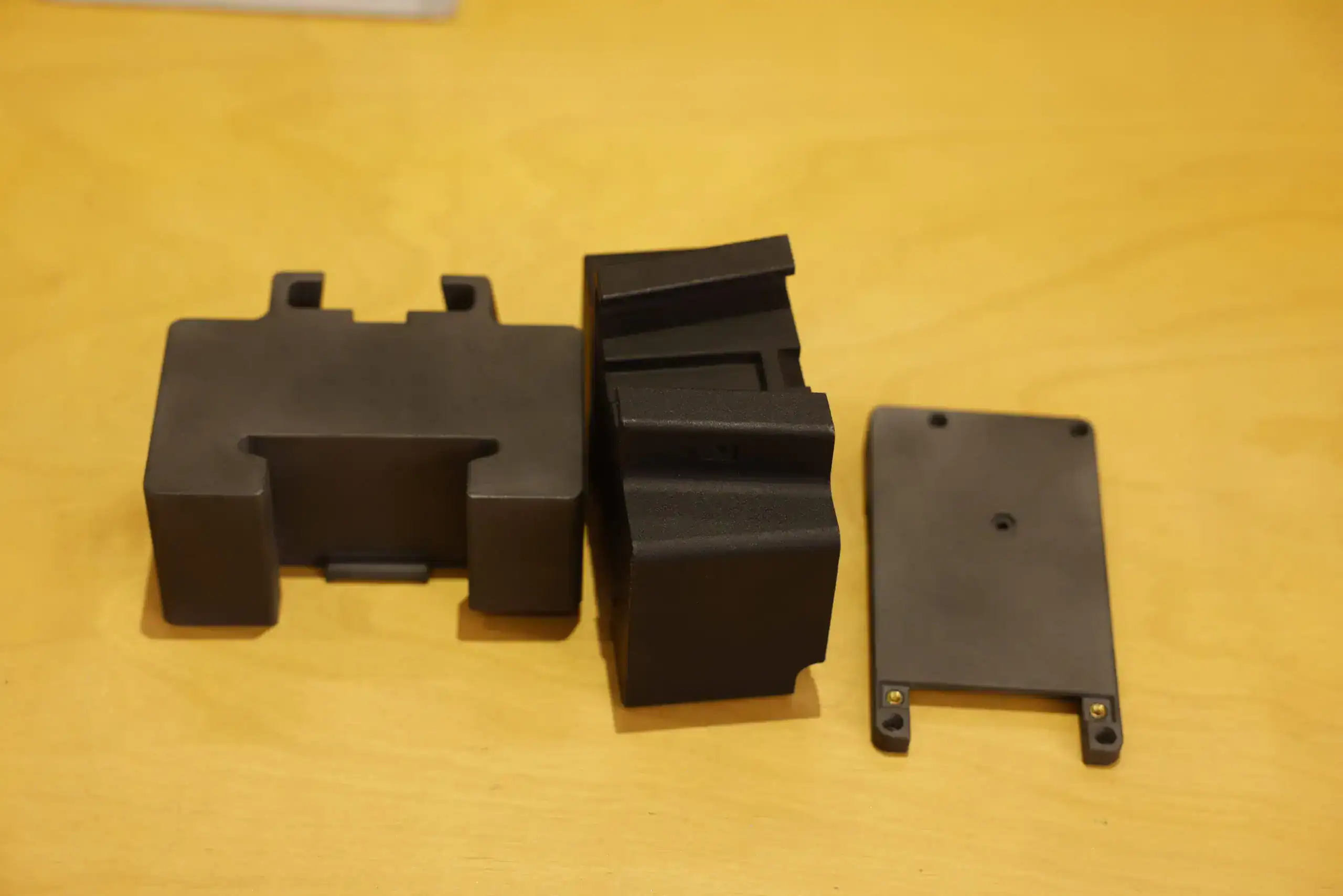
 German startup Batterieschmiede successfully launched its certified lithium battery housing into series production with support for Moldflow analysis, 3D-printed prototypes, and injection molding manufacturing. The collaboration helped the team meet certification requirements and stay on schedule.
 Video case
Industry
Energy
Country

Germany
Use case
High-Volume ManufacturingPrototypingR&D
Technology
3D PrintingInjection Moulding
Product
A smart lithium battery system combining energy storage, camper control, and GPS tracking in a single housing

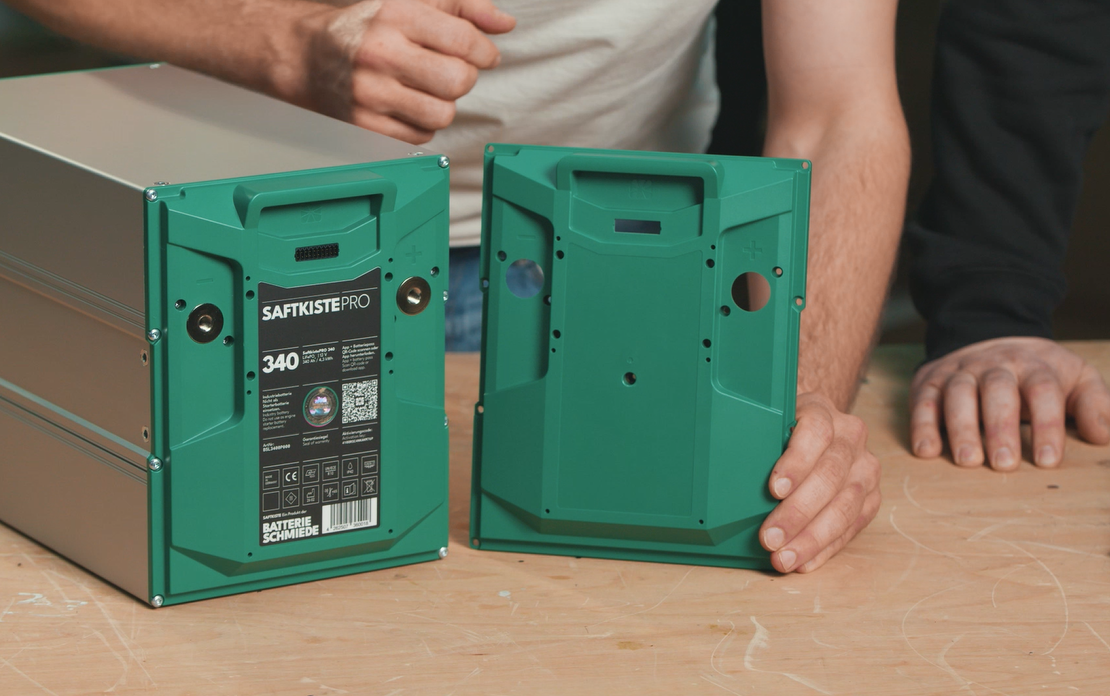
A Product Unlike Anything Else on the Market
Batterieschmiede GmbH is a startup with a team of just ten people — a small but ambitious company. And their goal is anything but small: according to the team, they are developing the world’s most advanced lithium supply battery.
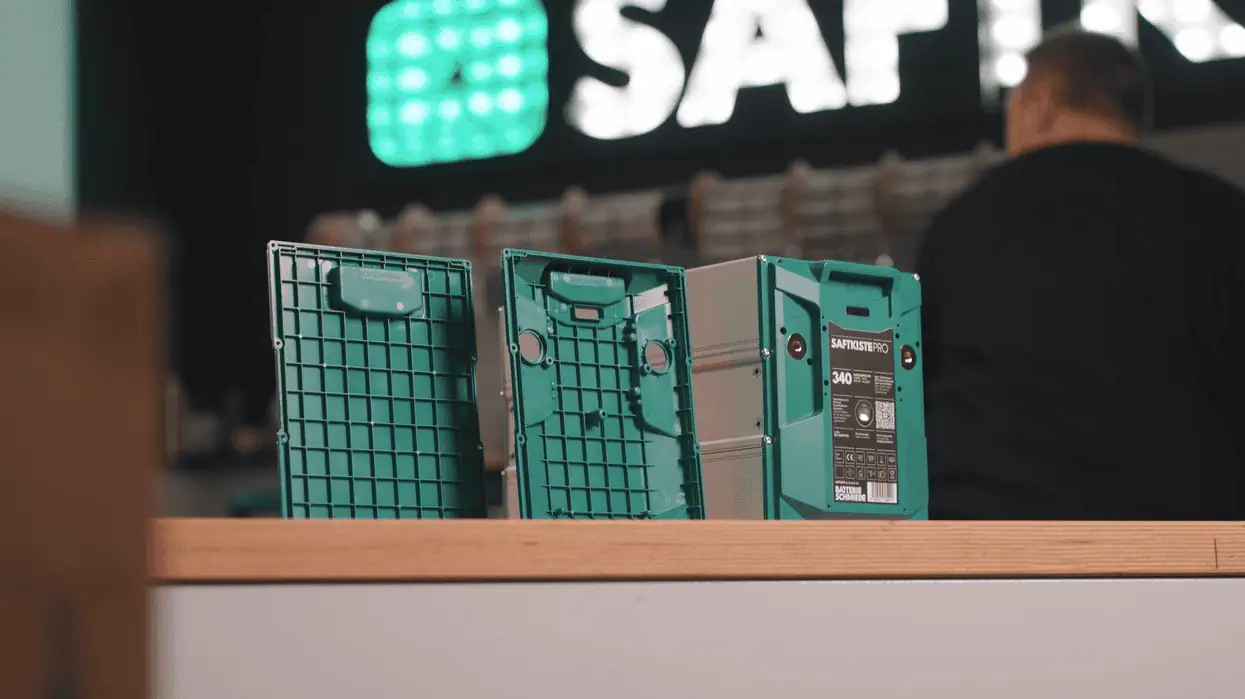
The Saftkiste is not an ordinary battery. It combines a battery, camper control unit, and GPS tracking system in a single housing. Built to a high standard, genuinely sustainable, and wherever possible: made in Germany.
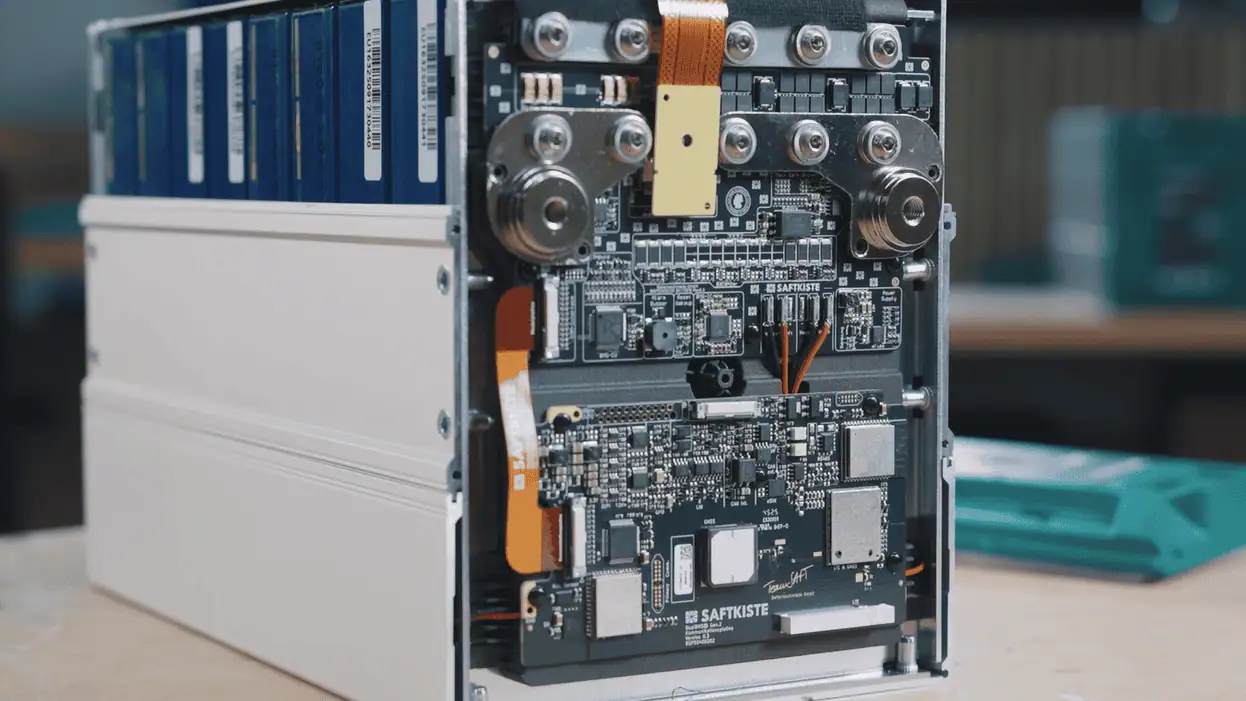
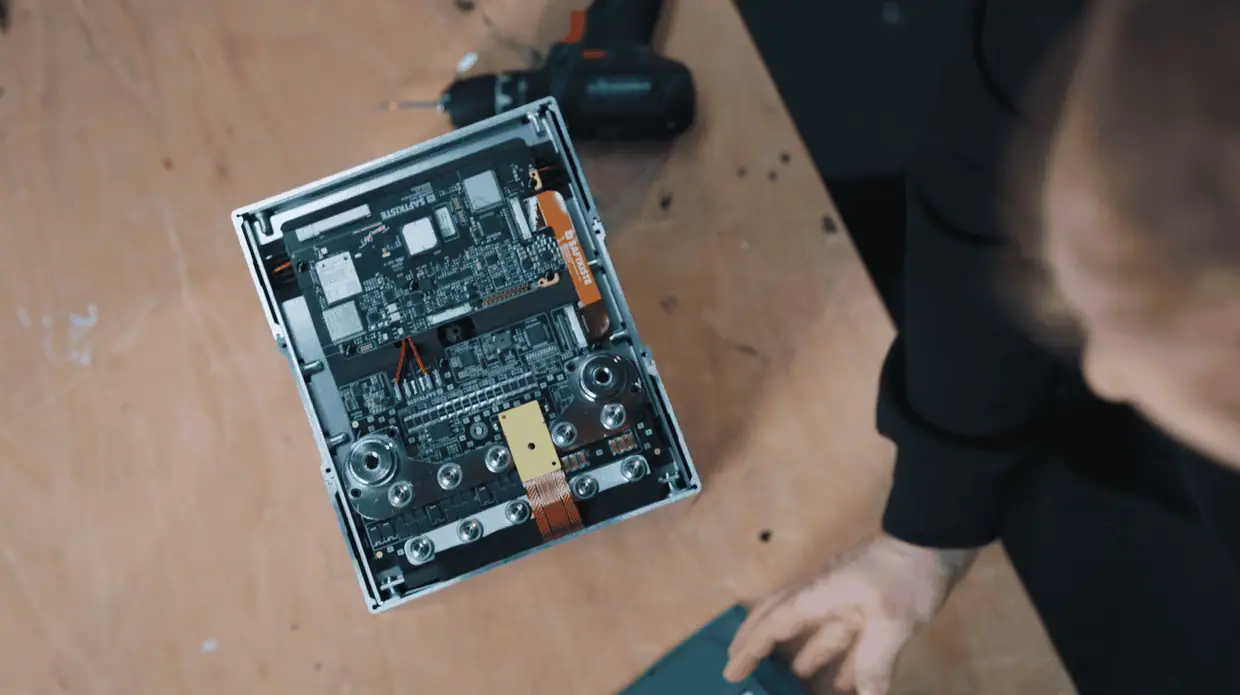
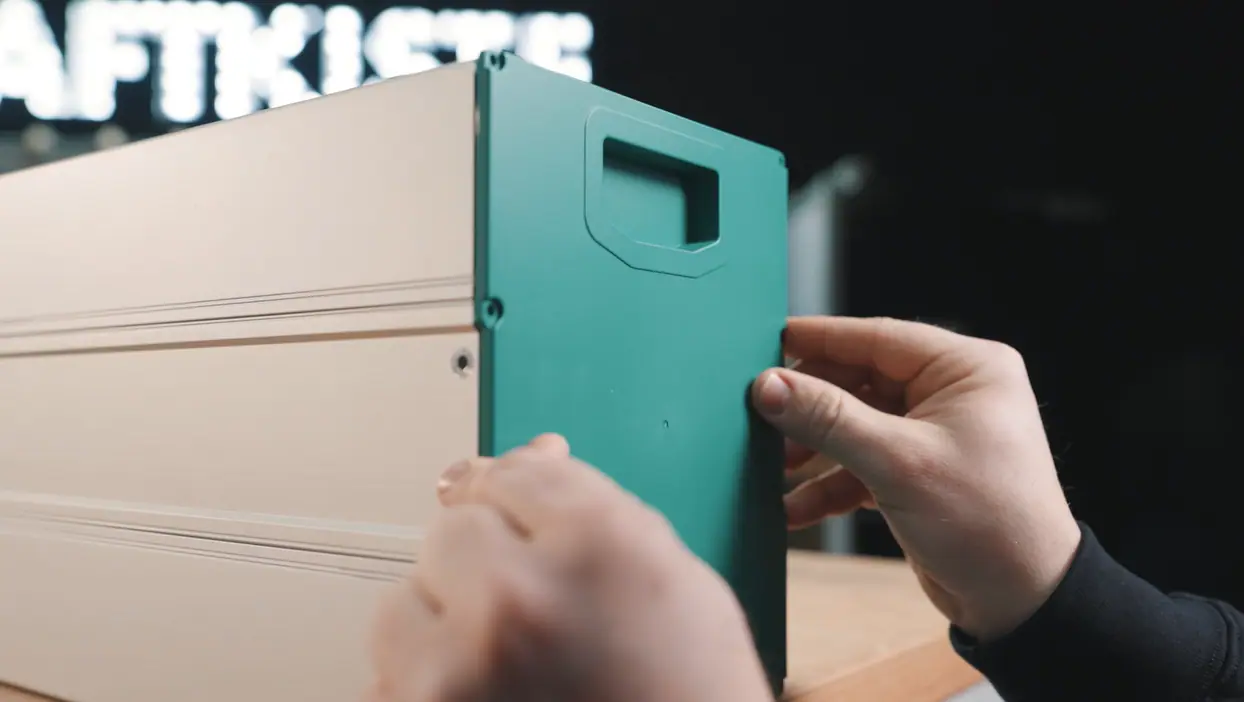
Under the aluminum lid sits the battery management system (BMS) — the heart of the product. It handles the entire control system, runs the software, and determines how long and how safely the battery operates.
The Challenge: Batteries Are Classified as Dangerous Goods
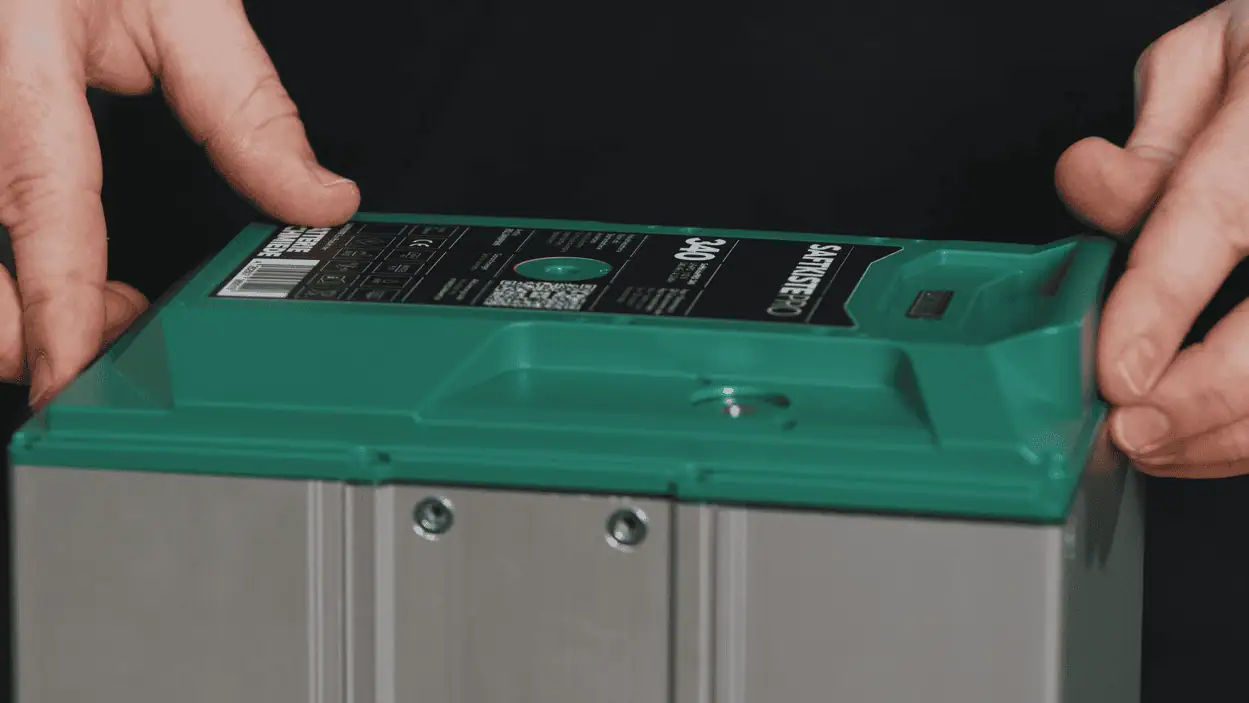
A battery housing is not just any component. Anyone wanting to bring a lithium battery to market must pass the UN38.3 transportation test. This test simulates mechanical shocks to the housing — exactly the kind of stress a battery may experience during transport.
The lid is the most fragile part, and the demands placed on it are high.
The first attempt to develop the housing in-house failed. Injection molding comes with pitfalls that are not automatically obvious to designers: wall thicknesses, draft angles, material flow behavior. Mistakes at this stage do not just cost time — they can also put delivery deadlines, pre-orders, and ultimately the product itself at risk. You can quickly find yourself overwhelmed.
Xometry as the Specialist for What Couldn’t Be Done In-House
The decision was clear: housing production was not one of Batterieschmiede’s core competencies. So the team brought in external support.
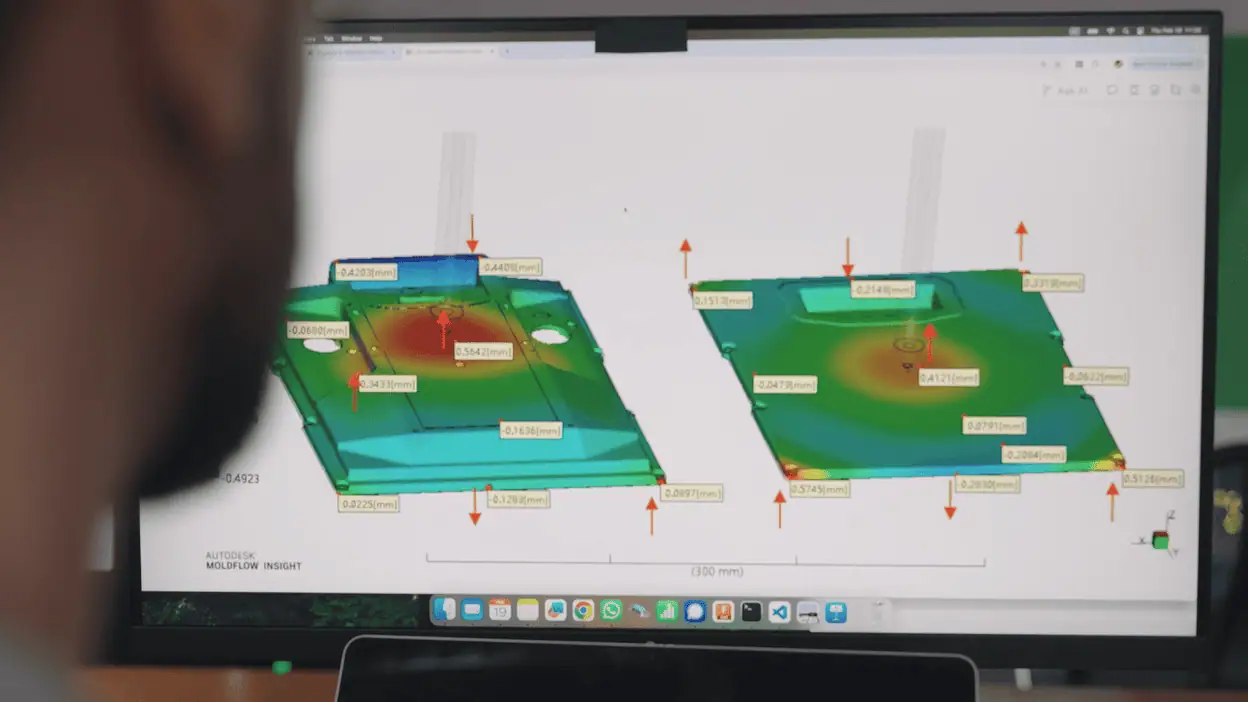
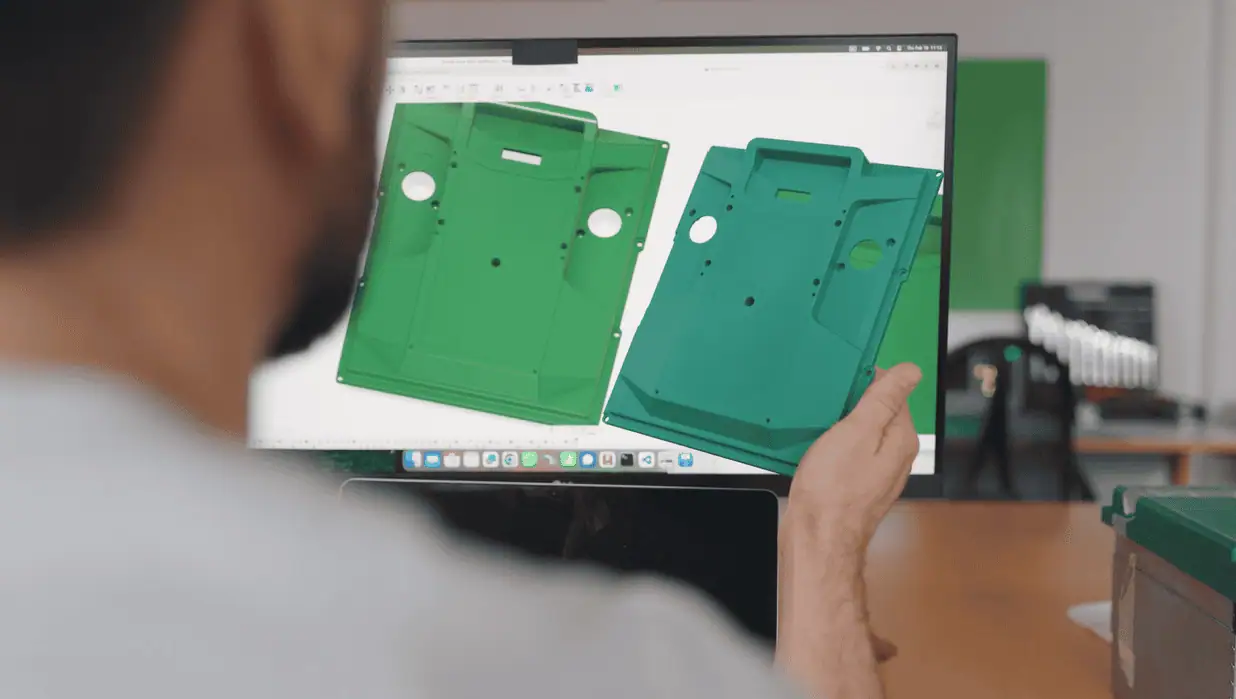
Xometry analyzed the part using a Moldflow simulation and identified exactly where changes were needed to make the design suitable for injection molding. No vague recommendations — concrete design adjustments, directly on the model.
For testing ahead of series production, Xometry also supplied functional prototypes produced with 3D printing technology from machinery far beyond the capabilities of the company’s in-house FDM printer. The process was simple: a call with their contact person, Antje Küpper-Saar, a discussion of the part, and one or two weeks later, the prototype was on site.
Reliability and On-Time Delivery
An injection mold is a serious financial commitment. The upfront tooling costs are high, even if the later unit price is low. Anyone making that investment needs to be able to trust their partner.
When launching the Saftkiste, Batterieschmiede already had pre-orders. And pre-orders mean promised delivery dates. Promised delivery dates mean one thing: the manufacturing partner has to deliver.
Xometry delivers the parts on time. That gives the small team the confidence they need to keep their promises to customers and bring the product to series production in a predictable way.
What Batterieschmiede Learned
A team of ten people cannot do everything themselves. The most important lesson from developing the Saftkiste is also the simplest: decide what you should do yourself — and find the right partner for the rest.
Play video
Video case


Round EV Charge Station’s Custom Parts Powered by Xometry
Energy
3D Printing
Injection Moulding
Vacuum Casting
Prototyping, R&D
Read Story
Xometry is not just a supplier; it’s a true solution partner. In such specialized projects, challenges and delays are inevitable. However, we never faced any issues while working with Xometry.
Read Story



Sferasol Manufactures A New Form of Solar Thermal Collector With Xometry
Energy
CNC Machining
High-Volume Manufacturing
Read Story
Xometry helped us in speeding up our supply chain: we found certified suppliers for steel parts at a very competitive price, in a very short time.
Read Story
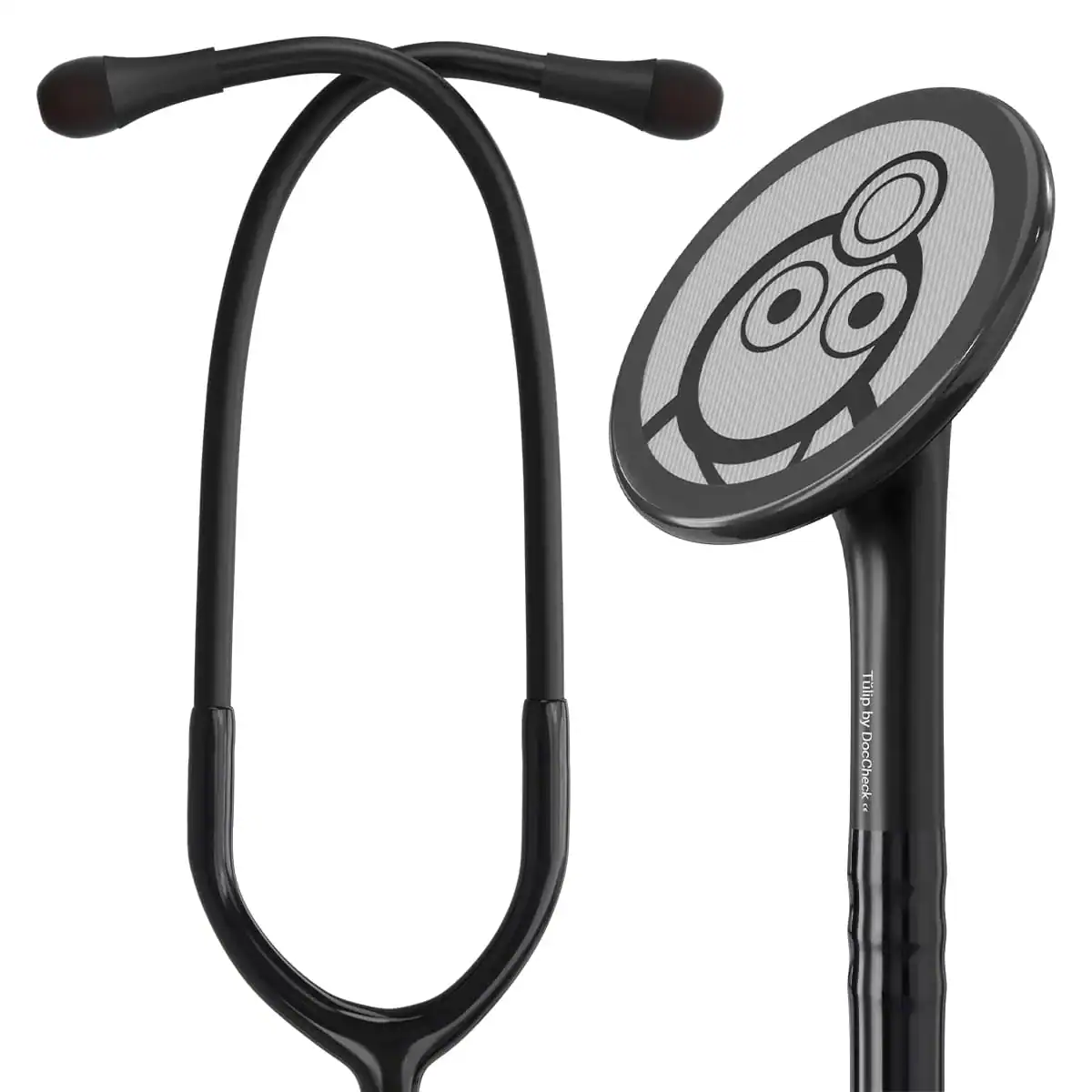

How Doccheck is Reinventing and Mass-producing Medical Products With Xometry
Healthcare
CNC Machining
3D Printing
Injection Moulding
Prototyping, R&D
Read Story
If it’s not close enough to the reference model, Xometry is very helpful and we get a new one based on our feedback until we’re completely sure that’s the right quality we want. Xometry is always there to help us and is focused on delivering the best possible solution.
Read Story
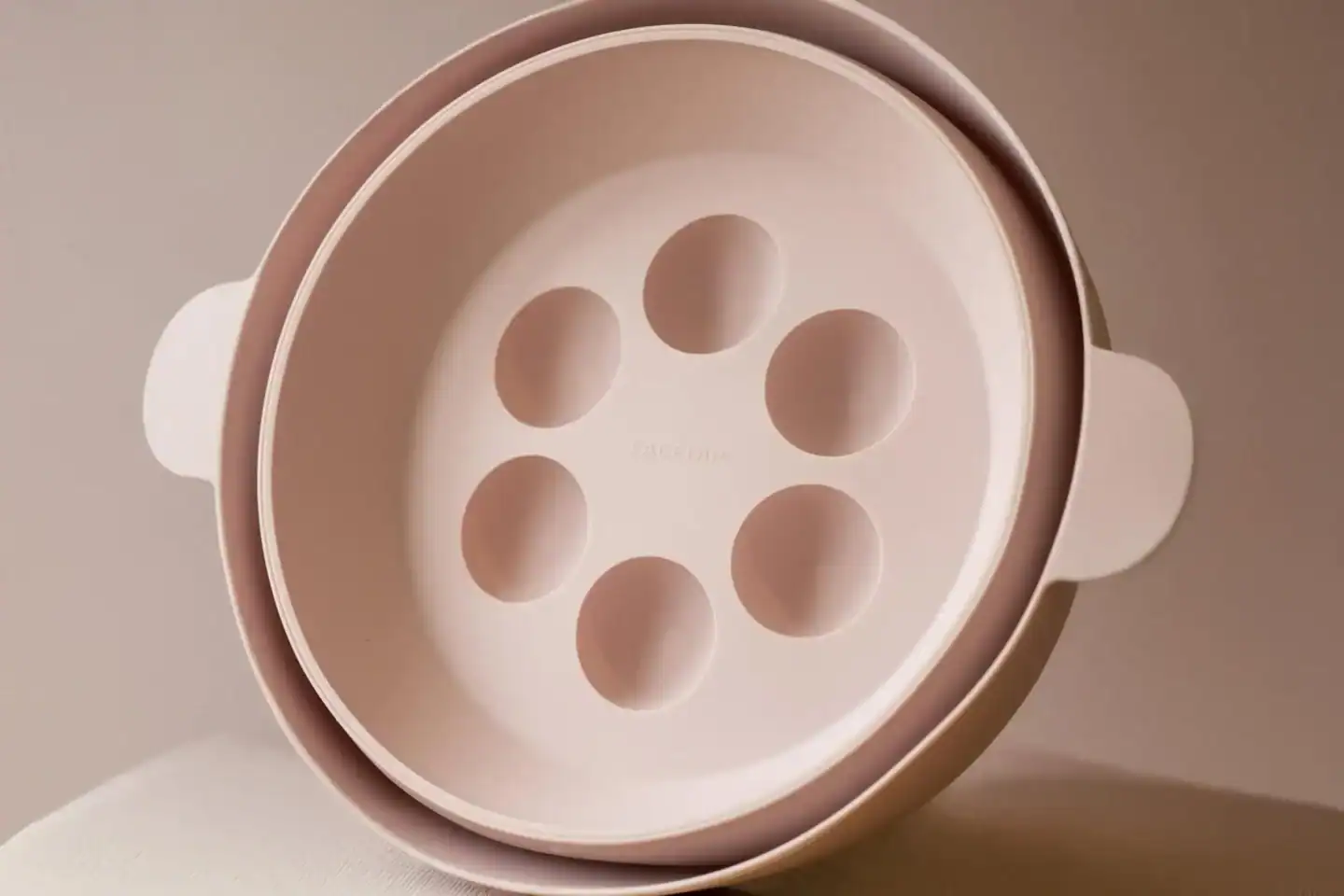


Facedip: Cooling Down Skincare with Xometry’s Manufacturing Expertise
Consumer Goods
3D Printing
Injection Moulding
High-Volume Manufacturing, Prototyping
Read Story
Xometry is the company that made it the easiest. I talked to a few different companies, and Xometry felt like the best fit for me. A lot of these decisions do come down to who do I want to work with long term, so who do I get the best feeling from and who feels like they understand the product and are excited about it and want to be involved as well.
Read Story
Play video
Video case

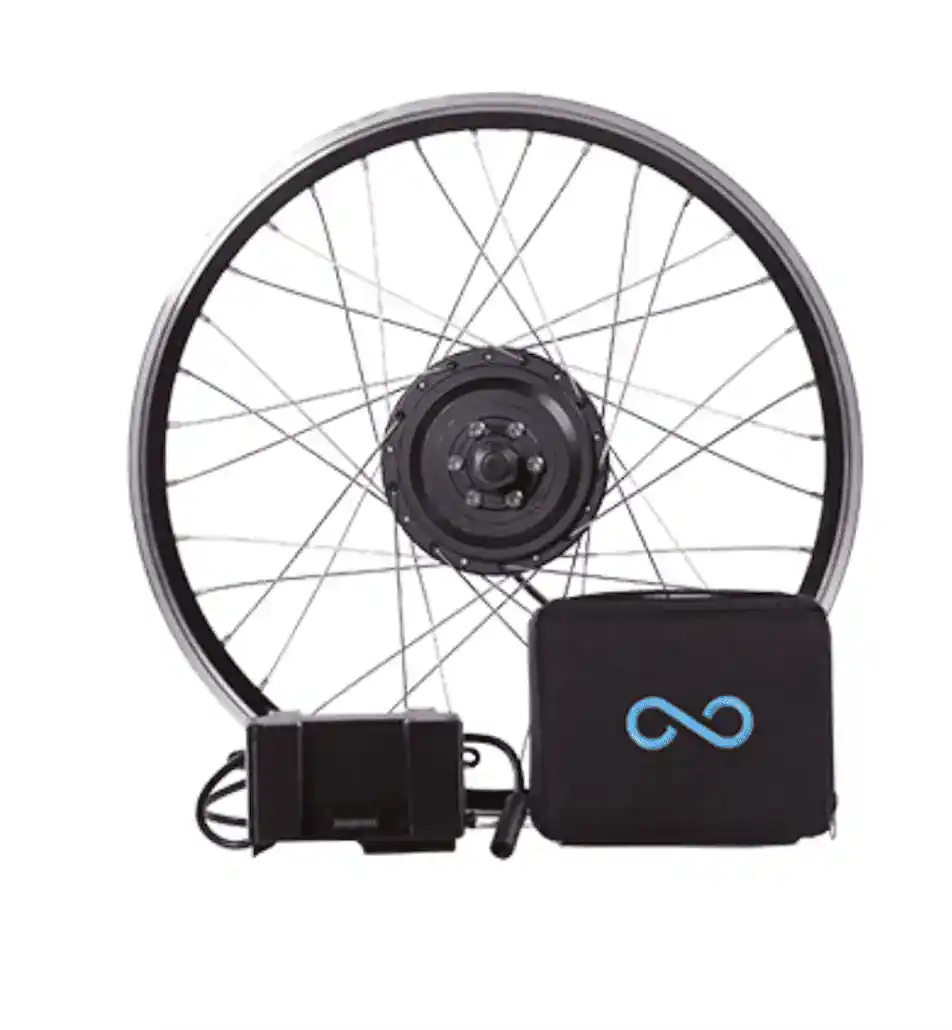
Byqee: The Bicycle-Electrifying Venture & Collaboration with Xometry
E-Mobility
Sports
3D Printing
Injection Moulding
High-Volume Manufacturing, Procurement, Prototyping, R&D
Read Story
When we had to switch to plastic injection, we again turned to Xometry Türkiye. Managing every process on a single platform, with the guidance of dedicated Xometry’s engineering team, made it all extremely convenient.
Read Story
Play video
Video case
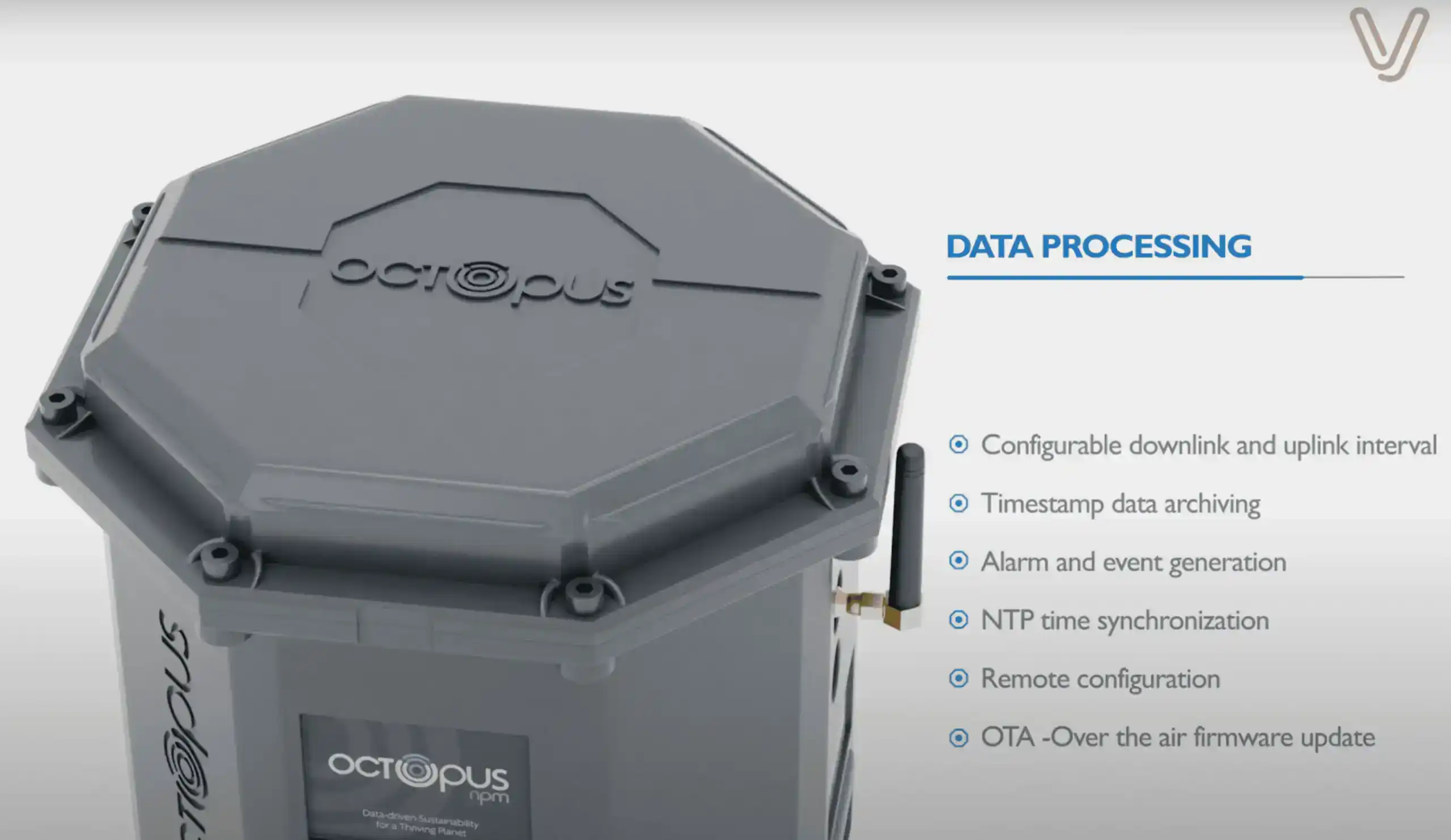

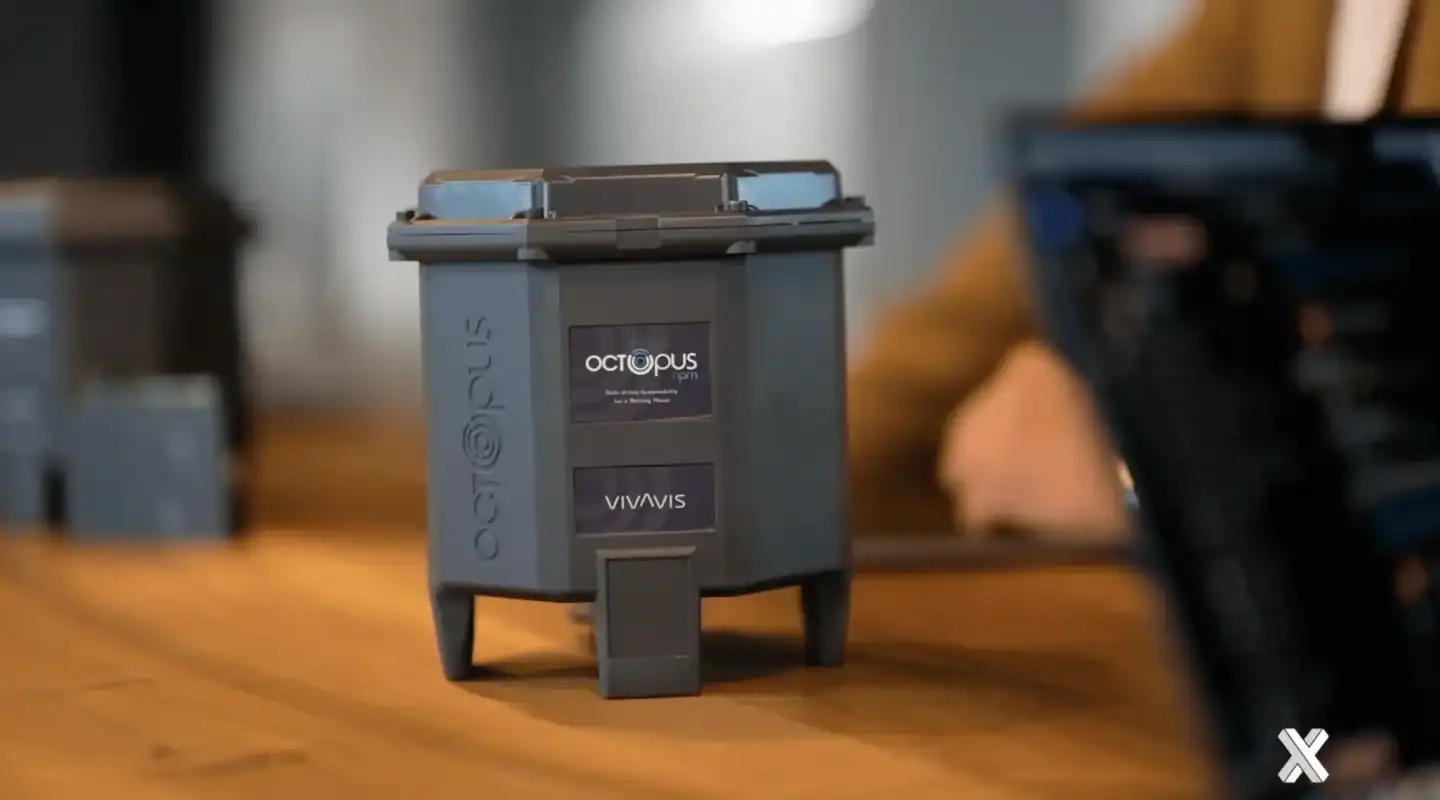
Innovative Manufacturing Solutions for the “Octopus”
Electronics
3D Printing
Injection Moulding
High-Volume Manufacturing, Prototyping
Read Story
We’re extremely satisfied with Xometry. Their technical capabilities and professional communication allowed our projects to progress seamlessly. The solutions provided for Octopus sped up our product development cycle and helped us achieve higher quality results. We look forward to working together again on new product segments.
Read Story

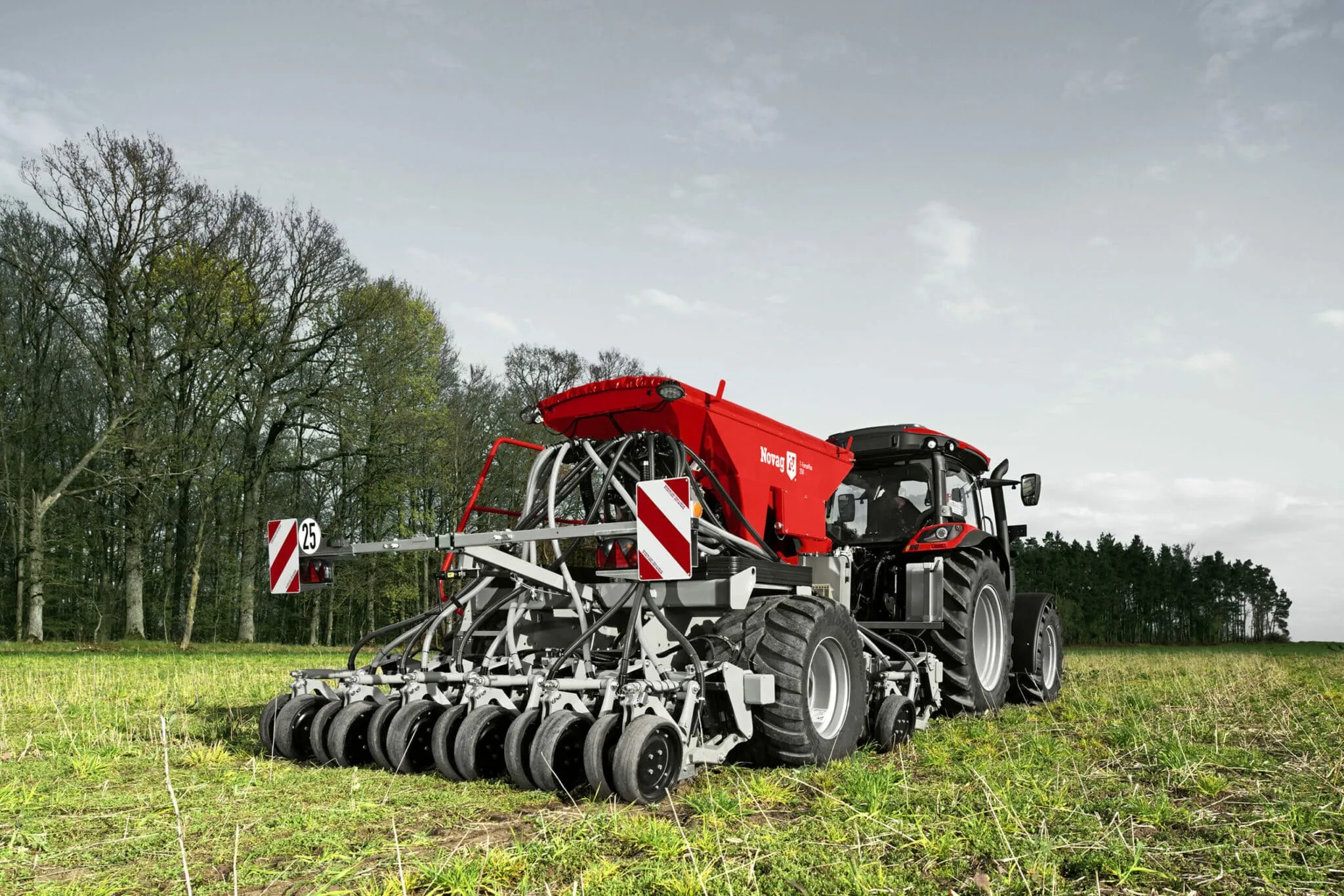


Novag and Xometry Partner to Develop Advanced Equipment for Conservation Agriculture
Machine Building
CNC Machining
3D Printing
Injection Moulding
Procurement, R&D
Read Story
Novag, a company focused on sustainable farming, has created next-generation seed drill systems for agricultural machines that ensure precise seed placement and soil conservation. By developing advanced equipment designed to boost efficiency and reduce environmental impact, Novag is leading the way in Next Generation Farming. With the manufacturing expertise of Xometry, Novag is producing cutting-edge agricultural systems that are transforming modern farming practices.
Read Story
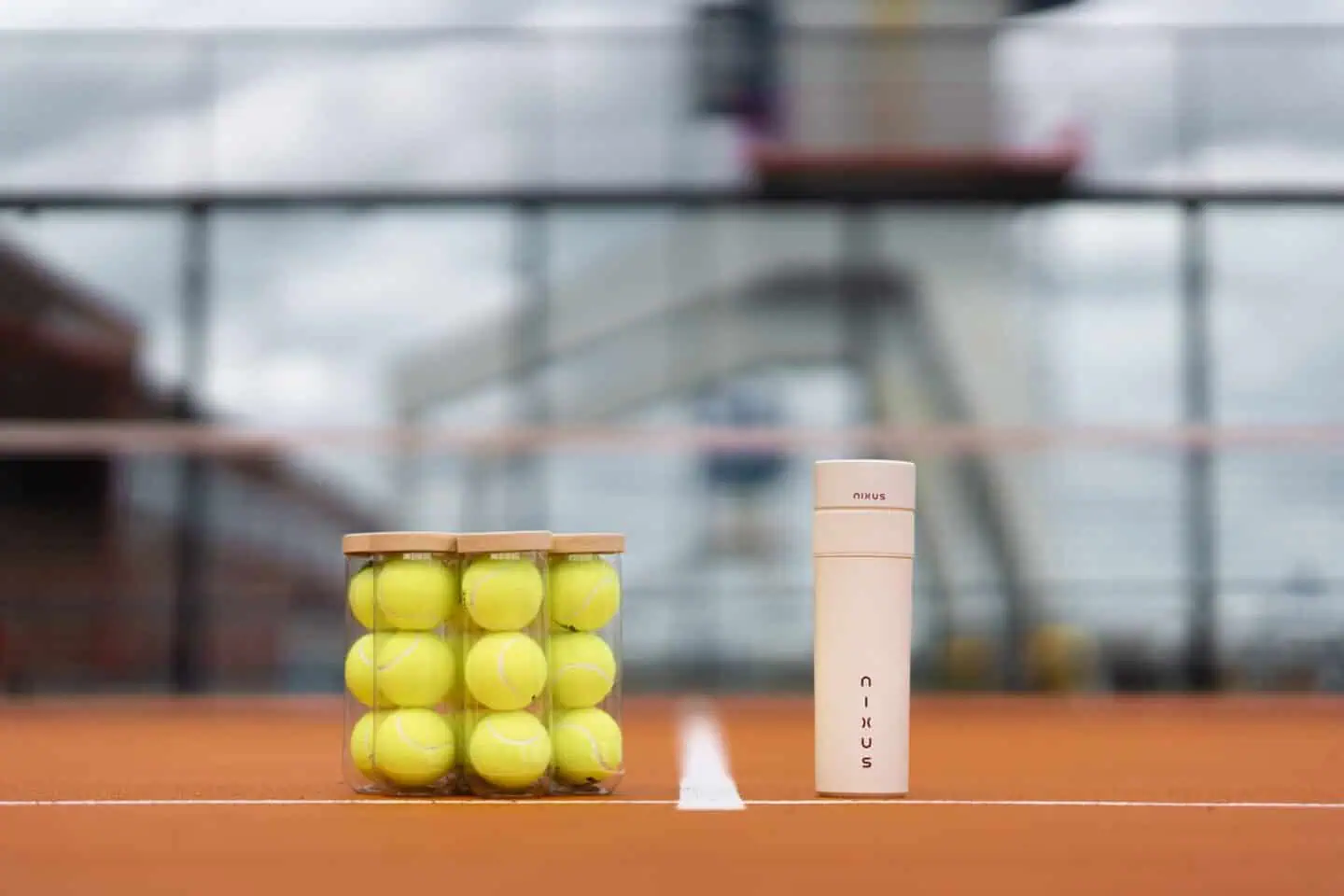
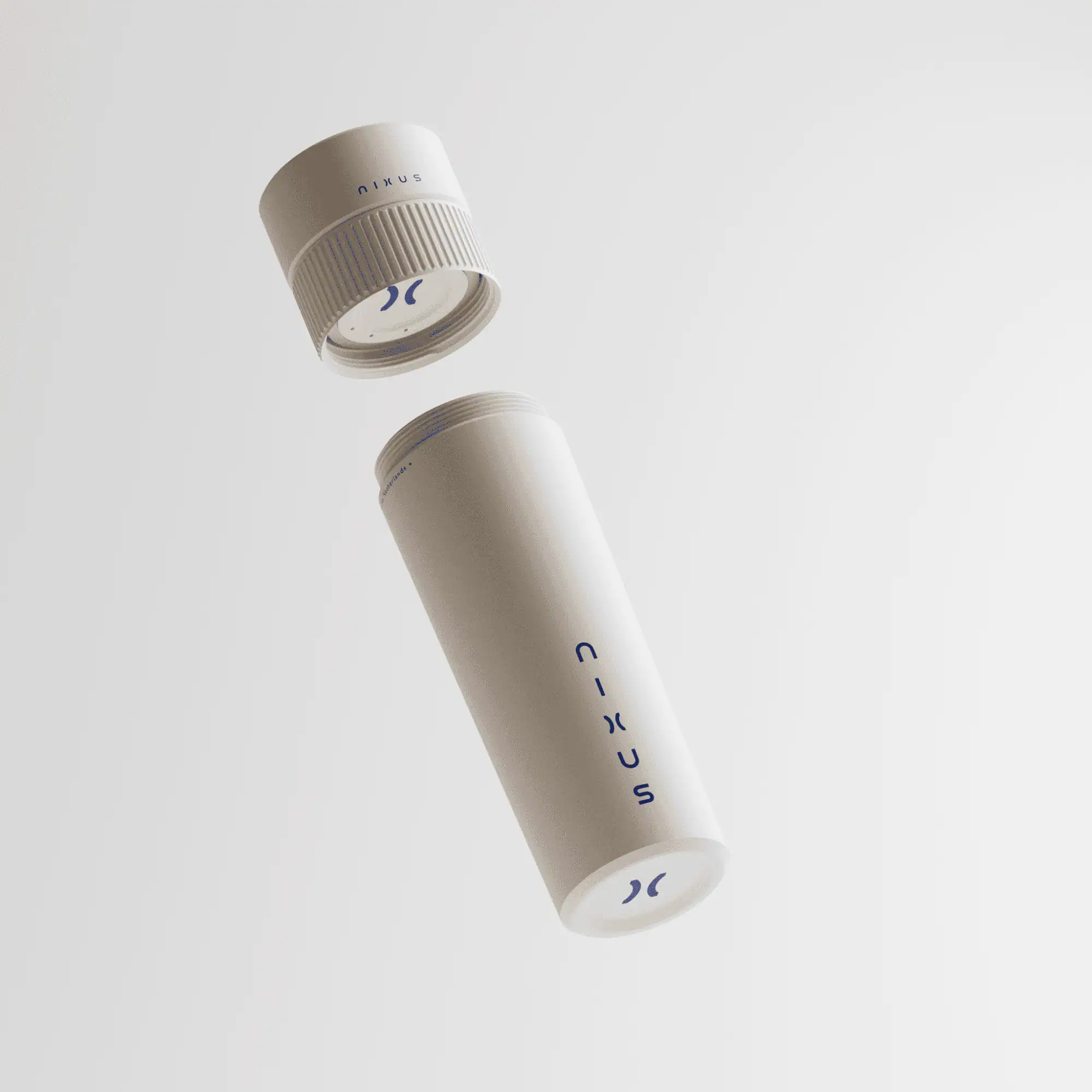


NIXUS Partners with Xometry to Launch a Smart, Sustainable Tennis and Padel Ball Charging Canister
Sports
3D Printing
Prototyping, R&D
Read Story
What we value most is the accountability Xometry takes. Their production manager is always thinking along with us, helping refine our orders and quickly resolving any technical issues.
Read Story
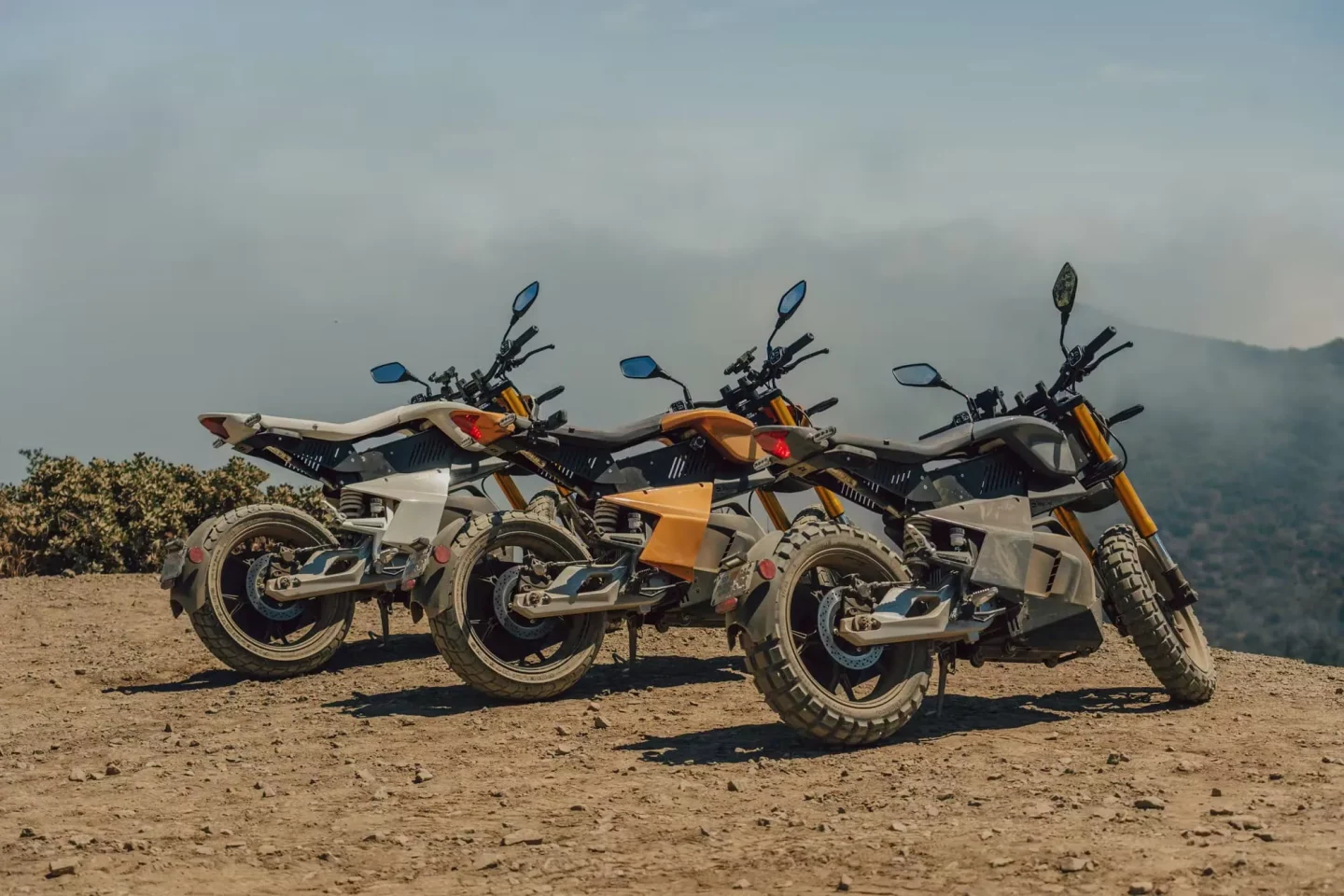
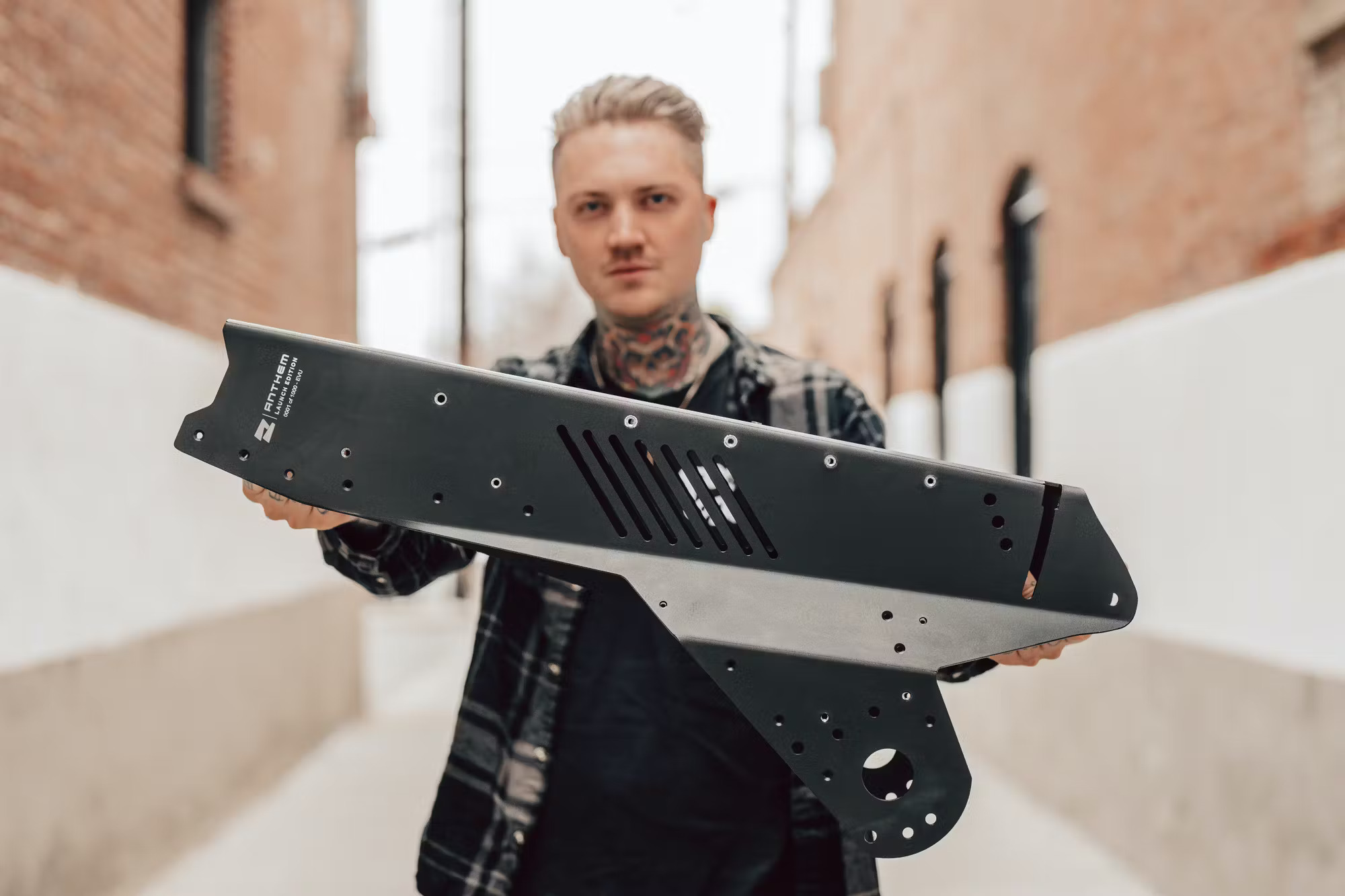

Ryvid’s Anthem EV Bike Races Through Production With Xometry’s Horizontal Supply Chain
Automotive
Sheet Metal Fabrication
Injection Moulding
High Pressure Die Casting
High-Volume Manufacturing
Read Story
The main benefit of [working with] Xometry is definitely speed. We had a vast network of vendors in China, which came with its own challenges. We had to manage the vendors and spent a lot of time project managing, QCing, and working through communication challenges. When we approached Xometry, we noticed right away that they gave us a lot of flexibility, especially with our mould tool. Xometry was really in that sweet spot for us. It was helpful to communicate with a partner that really knows engineering and design. The quality and speed from them were just different, which is really important for us because we needed to get the product out this year.
Read Story
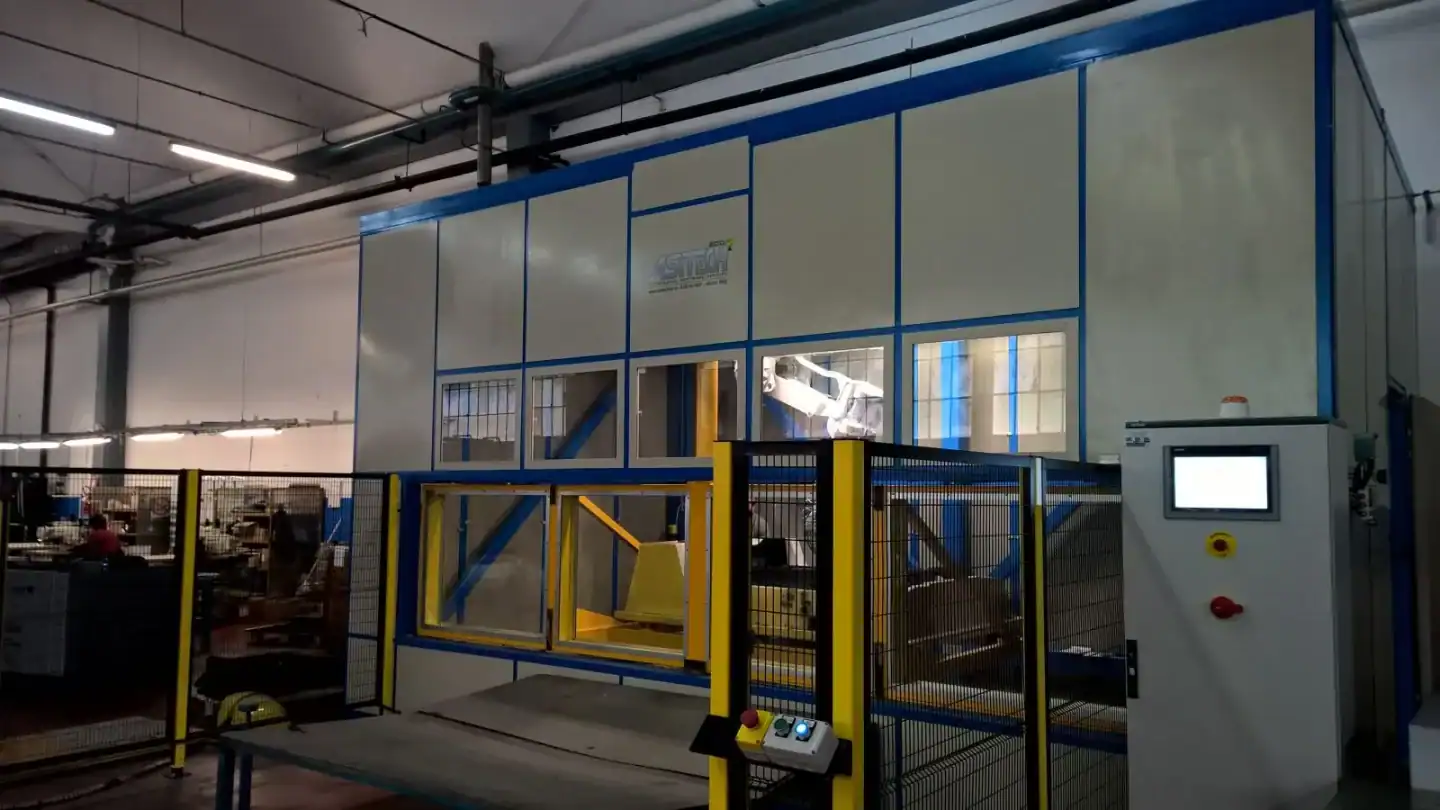
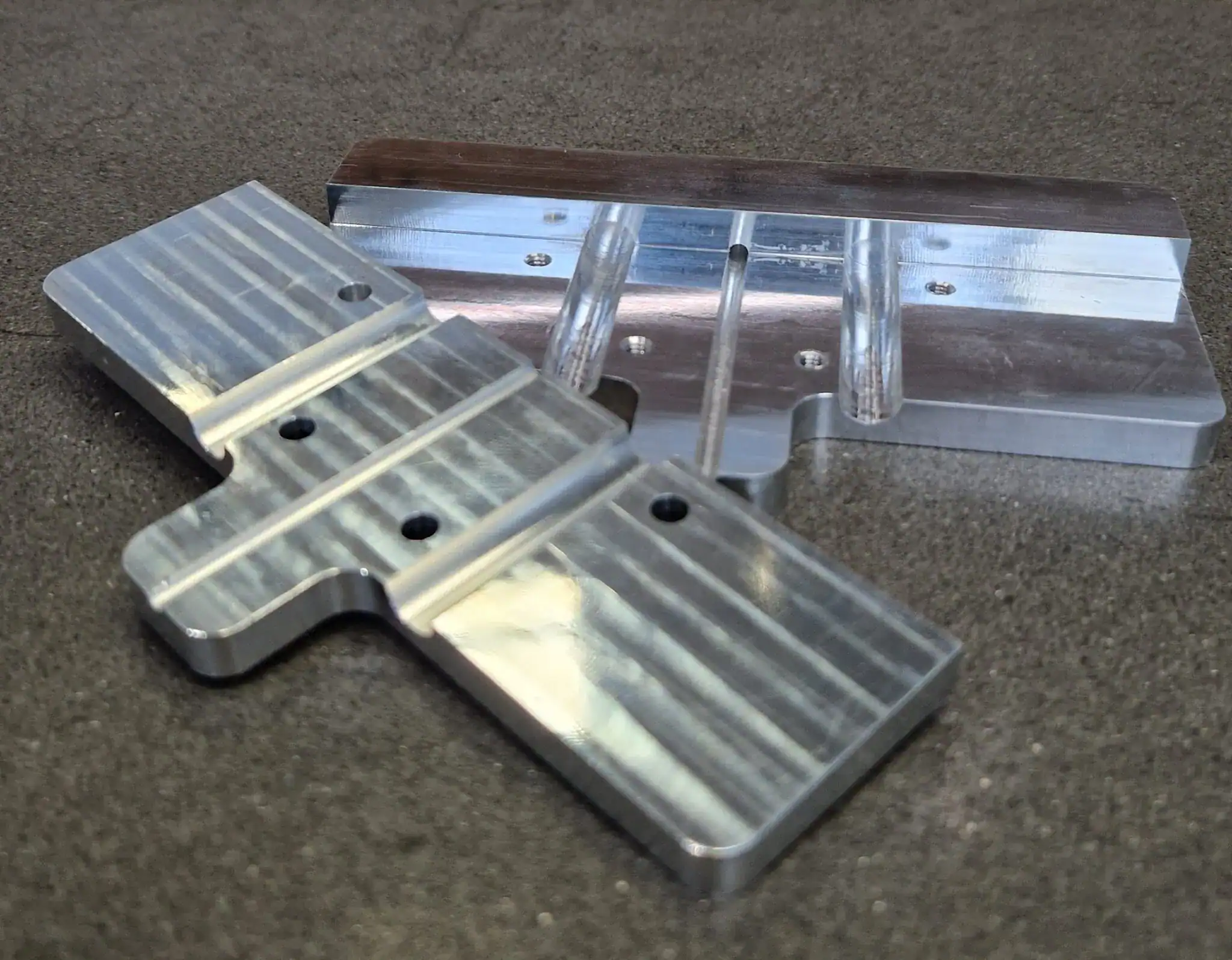

Customized Industrial Plants: Xometry Helps Asitech to Build Machines Quicker
Electronics
Machine Building
CNC Machining
3D Printing
High-Volume Manufacturing, Prototyping
Read Story
One of the main reasons was your Instant Quoting Engine, which impressed us and helped us a lot … in zero time, I can get a quote for 1, 10 or 100 pieces, and test how much it might cost to produce with one material over another.
Read Story
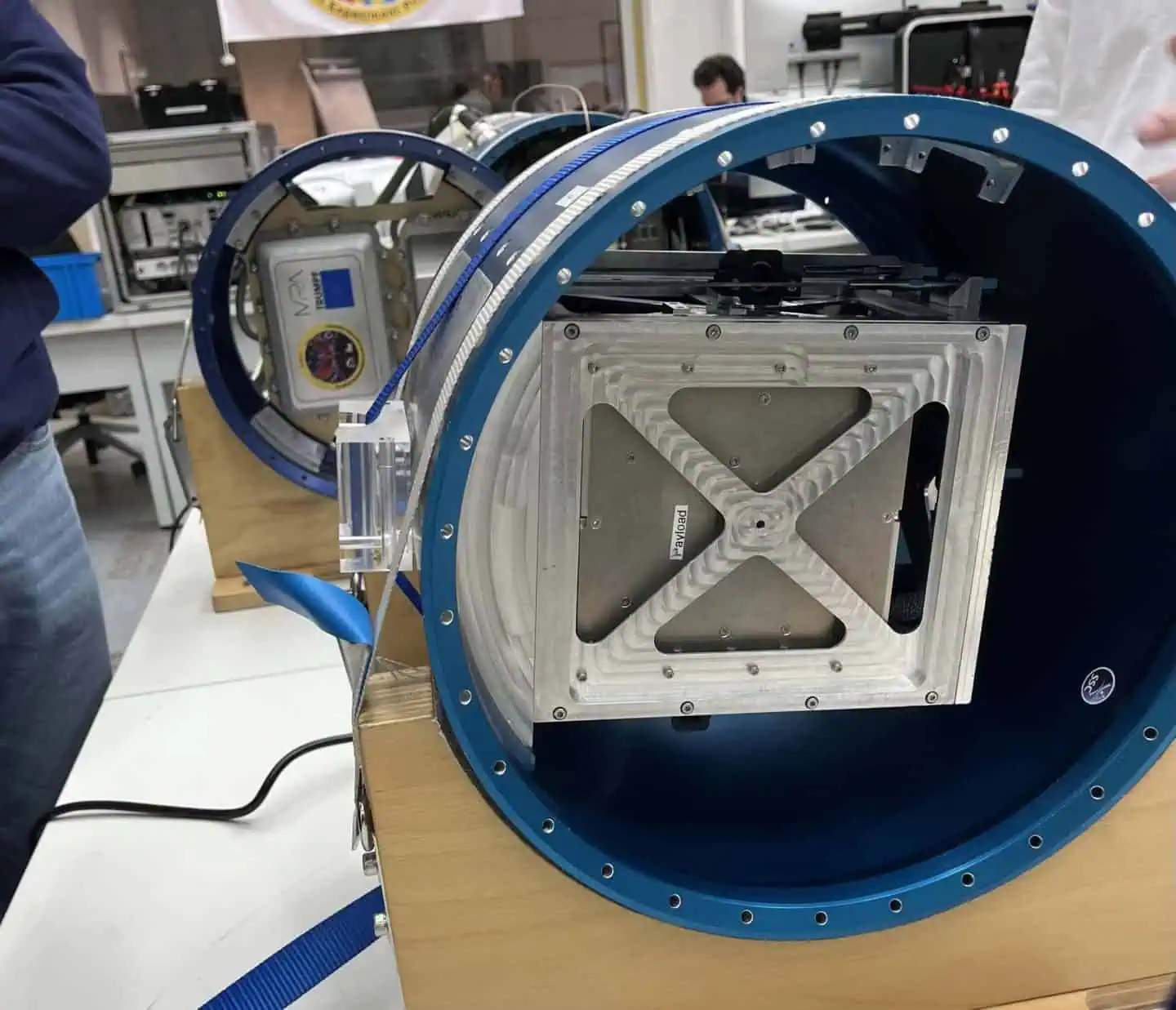
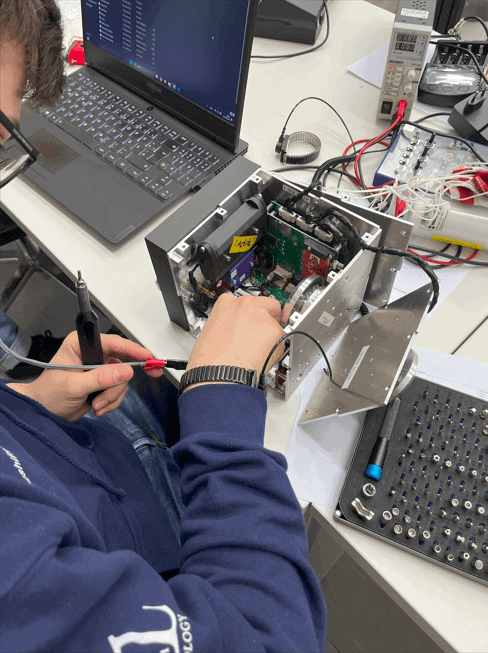

How Project FENRIR and Xometry Developed a Modular Free-Fall Experiment Platform for Microgravity Research
Aerospace
CNC Machining
3D Printing
Prototyping, R&D
Read Story
We were impressed with how smoothly the process went, from quoting to delivery. Xometry’s ability to deliver high-quality parts on time was essential to our success.
Read Story

Play video
Video case


Premium E-Scooter Prototype Produced in Rapid Time for Micro Mobility Launch
E-Mobility
CNC Machining
3D Printing
Prototyping
Read Story
There was a noticeable trend of people moving away from buses and trains, instead taking up e-scooters for a sense of freedom and personal space.
Read Story