 Europe
  United Kingdom
  Türkiye
  USA & Canada
  APAC
APAC  الشرق الأوسط
 Case Studies
  Materials Library
  Articles
  E-Books & Guides
  Webinars
  Free Courses
  Community Discussions
  Free Tools
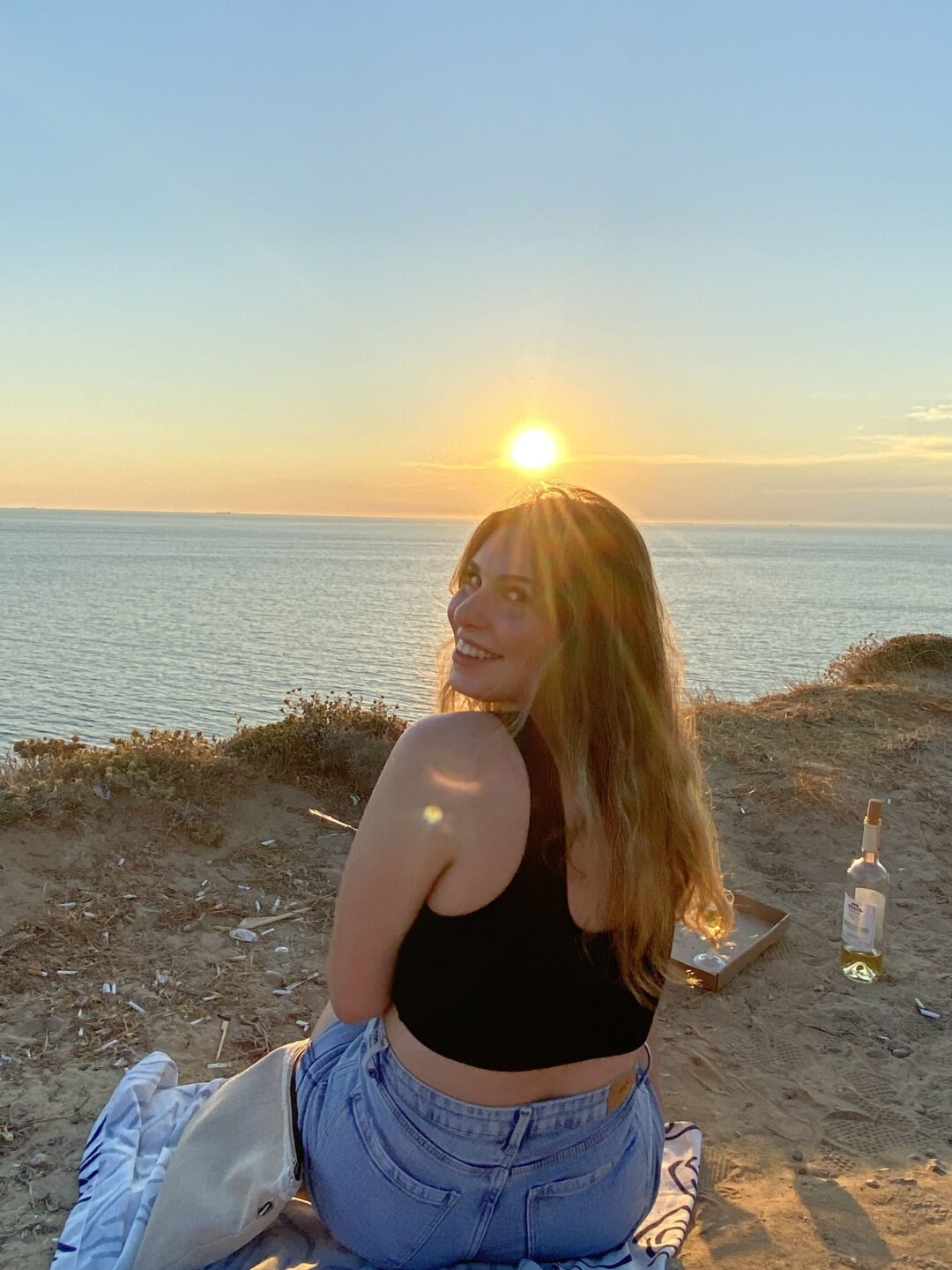
 Ilayda Ozkat did not plan a career in People & Culture. At 20, still in her second year of university, she landed an internship in Learning & Development almost by chance. She did not know then that it would define the next decade of her professional life.
“It was more of a coincidence that my first opportunity happened to be in this field. But once I started working, I really enjoyed being so closely connected to people. More importantly, having the opportunity to listen to their needs and understand what they need to feel supported and be successful at work.”
That early experience set the direction. Since 2017, the companies, the roles and the responsibilities have all changed. The motivation hasn’t.
More Than Hiring and Admin
There’s a common misconception about People & Culture that Ilayda often hears. That’s mostly hiring, contracts, and paperwork. Her answer is patient but clear.
“People & Culture is about understanding both the people and the business, and finding the right balance between the two. It’s about being there throughout an employee’s journey — from the moment they join the company, through their development and career, to the challenges they may face along the way.”
A big part of her role is being a bridge. Between employees and managers. Between local realities and global strategy. Between what the business needs and what people need to do their best work.
“There is also a lot of work that happens behind the scenes. Not everything we do is visible, but when People & Culture is working well, people feel supported, processes feel clear, and the business can move forward more effectively.”
No Two Days the Same
Ask Ilayda what a typical day looks like, and she laughs a little before answering.
On some days, she speaks with anywhere from 60 to 100 people: junior employees, managers, General Managers, C-level leaders, colleagues from different countries and functions. Each conversation is different. Helping someone find a way forward. Supporting a manager through a difficult decision. Navigating a People & Culture process with someone who has never dealt with it before.
“One moment I can be solving a very practical, day-to-day issue, and the next I can be discussing a broader people strategy with leadership.”
That constant movement between operational and strategic, between local and global, is something she genuinely enjoys. “It depends” is her honest answer to what any given day looks like, and she means it as a compliment.
Working Across Borders From Istanbul
Ilayda is based in Istanbul, where she serves as the local People & Culture point of contact for Turkey and contributes to global projects across the organisation. It’s a position that suits her perfectly. She had been deliberately looking for an international role before joining Xometry.
What she found, though, was something more than just a “global” label on a job description.
“I soon realised that ‘global’ means something quite different at Xometry. It’s something you genuinely experience every day. You constantly have the opportunity to work with people from different cultures, learn from different perspectives, and experience how differently people approach the same challenges.”
Today her regular collaborators come from China, India, the US, France, Germany and many other countries. The communication isn’t always effortless. Language barriers exist, and cultural differences can lead to the same message being interpreted in completely different ways. But she sees that as part of the value, not the problem.
“Every day, you learn something new from people with completely different backgrounds and perspectives.”
Building Culture Across Countries
One of the most interesting challenges of her role is also one of the most human: how do you make someone in Istanbul, Leipzig, or Valencia feel like they belong to the same organisation?
For Ilayda, the answer isn’t about uniformity.
“Creating a shared culture doesn’t mean making everyone work in exactly the same way. It means making sure that, wherever someone is based, they feel that they belong to the same organisation and share the same values.”
Culture, she believes, is built through everyday experiences: the way people communicate, support each other, and feel heard. Onboarding matters, but it’s only the starting point. Being involved in global projects, working closely with colleagues from other countries, feeling connected to something beyond the local team: those are the things that make a culture real.
A Company That Keeps Changing
Ilayda has been at Xometry for just over a year. One of the things that has surprised her most is how much the company has already changed in that time.
“What has surprised me the most is how different the company I accepted an offer from is from the company I work for today. Xometry has changed and evolved so much in such a short time, and in many ways, it feels like I’ve been changing and evolving with it.”
What strikes her even more is how naturally she has adapted to that pace. Looking back, she can trace moments of growth she didn’t even notice at the time.
“Being comfortable with change, staying curious, and knowing that you don’t always need to have all the answers from the beginning. Sometimes, you learn the most simply by being part of the journey.”
The Project She’s Most Excited About
Among the initiatives she has worked on, one stands out for its potential impact: a global project to understand and appreciate cultural differences across the organisation, developed in collaboration with her manager.
“We’re still at the beginning, but I genuinely believe it has the potential to make a meaningful difference in how we understand and work with each other across countries. I think it can make everyday collaboration smoother and help people feel more connected to each other.”
It’s the kind of work that sits at the heart of why she chose this field: building something that changes, even slightly, how people experience their working day.
Recharging the Social Battery
Working in People & Culture means spending a lot of energy on others. Ilayda is candid about what that requires.
“Working in People & Culture can sometimes mean that my social battery runs out a little faster than most people might expect.”
Outside of work, she recharges in two very different ways depending on what she needs. On high-energy days, she organises board game nights with friends. Strategy games are a particular favourite. On quieter days, she puts on music and spends hours on a puzzle, painting, or baking a dessert.
“Having that balance is really important for me. Sometimes I recharge by being around the people I love, and sometimes I recharge by being completely on my own.”
Advice for Anyone Drawn to People & Culture
For someone who is curious about a career in People & Culture but unsure where to start, Ilayda’s advice is straightforward.
“You don’t need to have your entire career mapped out before you start. Sometimes the best way to find your path is simply to take the first opportunity and stay curious along the way.”
She also pushes back on the idea that your degree or first job defines where you end up. What matters more, she says, are a few fundamental qualities: the ability to see things from both sides, comfort with difficult decisions, genuine listening, and clear communication across different kinds of people.
“If you can combine those qualities with curiosity, empathy, and a willingness to learn, I think you’re already a few steps ahead. The rest can be learned along the way.”
What a Great Day Looks Like
“A great day at work for me is one where I can feel that I made even a small difference — improved something, solved a problem, or made someone’s day a little easier.”
But when she thinks about it a little longer, something simpler comes to mind too.
“Sometimes, even a genuine smile or a nice conversation is enough to turn an ordinary day into a great one.”