 Europe
  United Kingdom
  Türkiye
  USA & Canada
  APAC
APAC  الشرق الأوسط
 Case Studies
  Materials Library
  Articles
  E-Books & Guides
  Webinars
  Free Courses
  Community Discussions
  Free Tools
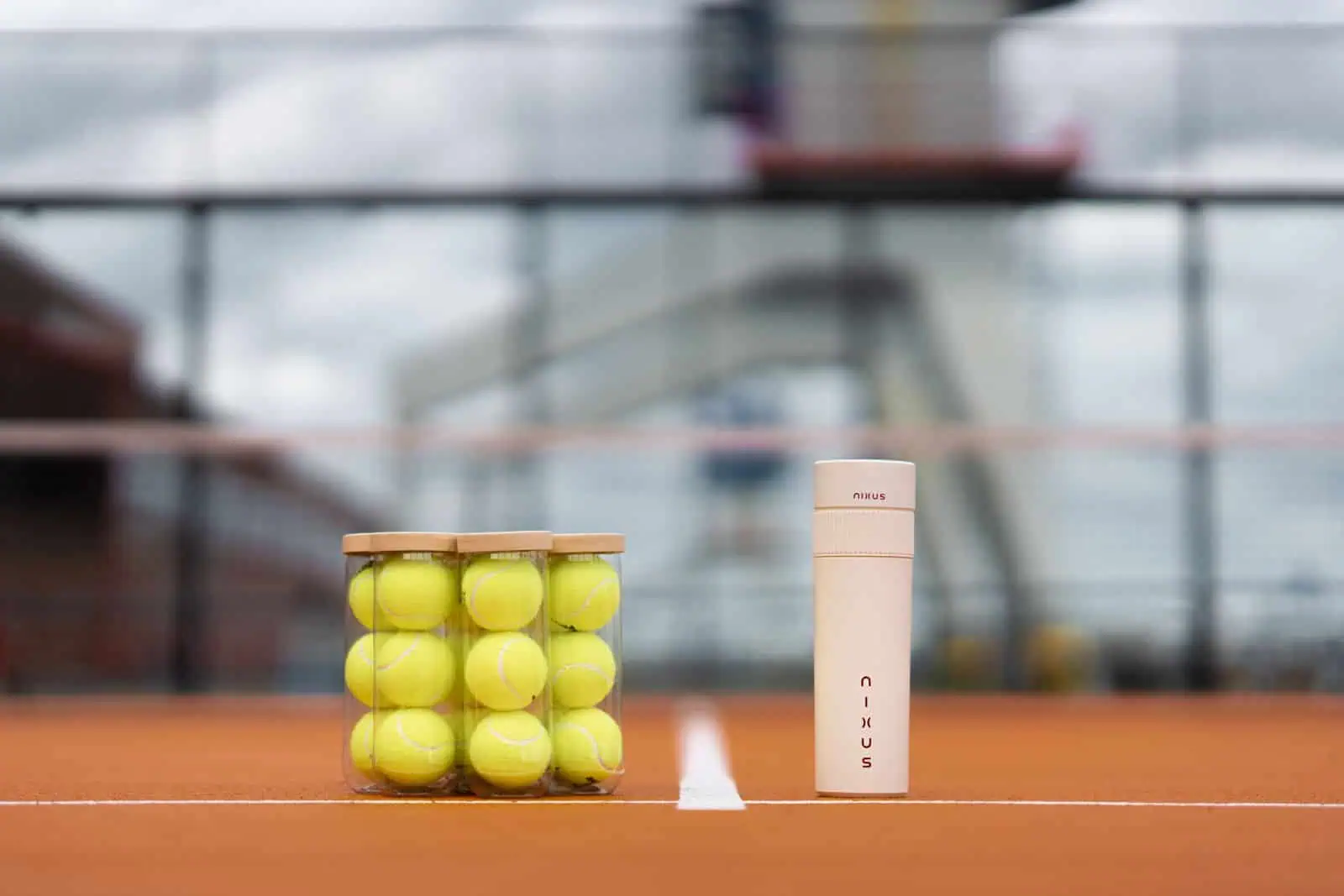
 Faced with the massive environmental issue of millions of tennis and padel balls being discarded prematurely due to pressure loss, hardware startup NIXUS engineered the world’s first smart ball charging canister. To bring this high-accuracy pneumatic device from prototype to a production-grade validation run, NIXUS partnered with Xometry, leveraging SLS 3D printing, vapour polishing, and industrial painting to achieve airtight sealing and a premium consumer finish.

Industry
Sports
Country

Netherlands
Use case
PrototypingR&D
Technology
3D Printing
Materials
PA12 (Nylon 12)
Finishes
Vapour polishing
Product
Sustainable tennis and padel ball charging canister
What we value most is the accountability Xometry takes. Their production manager is always thinking along with us, helping refine our orders and quickly resolving any technical issues.
High-End Engineering Addressing Global Sports Waste
NIXUS sets itself apart by turning high-level engineering into sustainable consumer solutions. The sports tech company was founded by alumni from the Delft University of Technology, who brought together the rigorous technical problem-solving skills they honed while developing advanced systems for Delft Hyperloop. Looking for a massive real-world challenge to tackle next, they focused their engineering expertise on an overlooked environmental issue in racket sports: the rapid pressure loss and premature discarding of tennis and padel balls.
The scope of this waste is staggering. At major tournaments like the US Open, around 95,000 balls are consumed per event. In the Netherlands alone, players discard roughly 5.5 million tennis balls annually. Because more than 98% of these balls are manufactured in Southeast Asia and over 85% are thrown away solely due to natural deflation rather than physical damage, the global transport and waste footprint is immense. NIXUS engineered a high-tech solution to reverse this cycle entirely.
“Our first goal was humble: build just one unit for ourselves,” says Joep Raithel, Co-Founder of NIXUS. “Two and a half years later, we are producing a 25-unit validation run with Xometry ahead of our global Kickstarter campaign.“
A Circular Vision for Racket Sports
What began as an ambitious R&D project to construct a single functional unit has rapidly scaled over the last two and a half years into a commercial venture. Today, the six-person company continues to build on its shared foundation from the Delft University of Technology. While the original founders spearhead research and development, newer team members bring targeted expertise in marketing, growth, and industrial design—creating the multidisciplinary perspective required to bring a sophisticated hardware product to market.
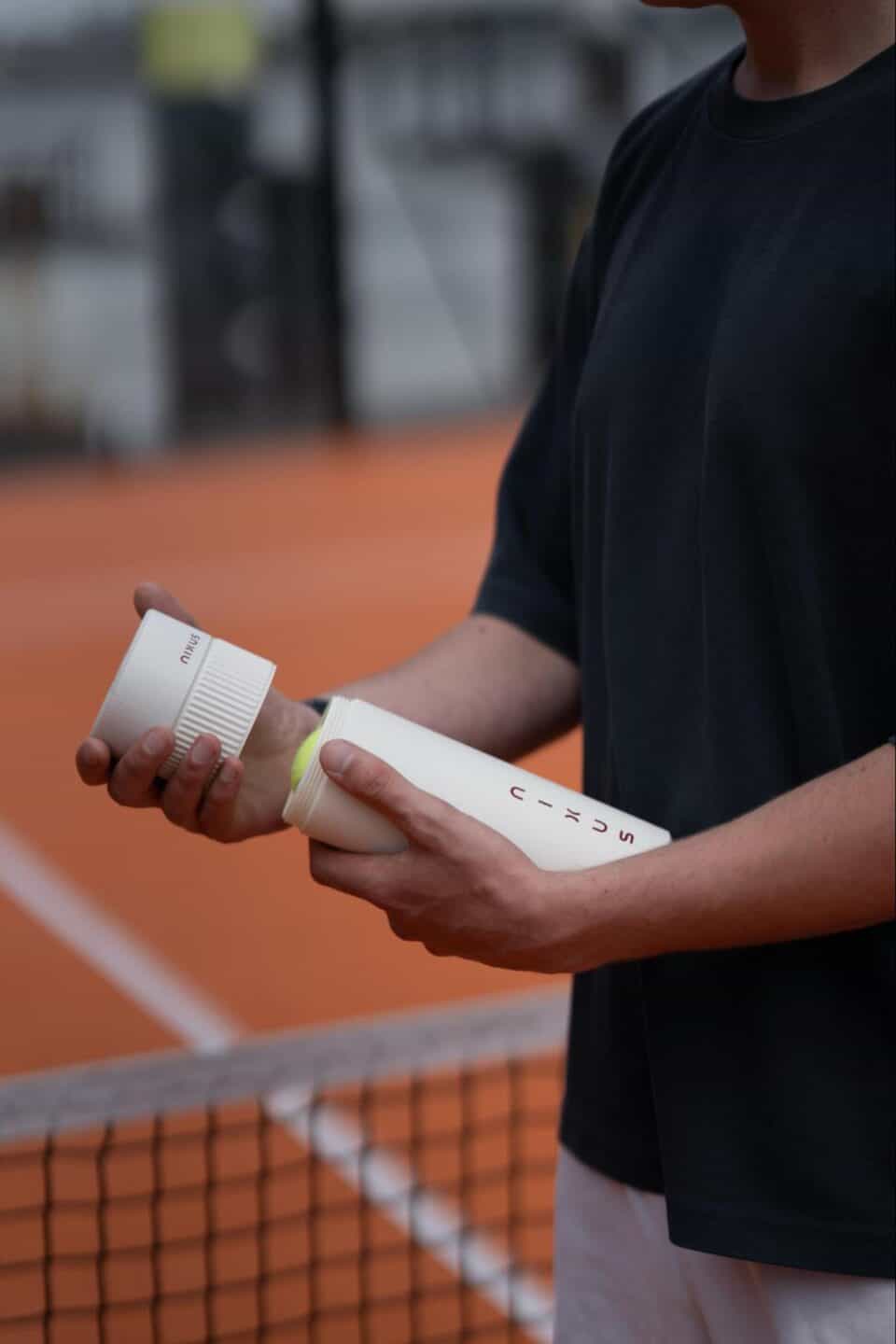
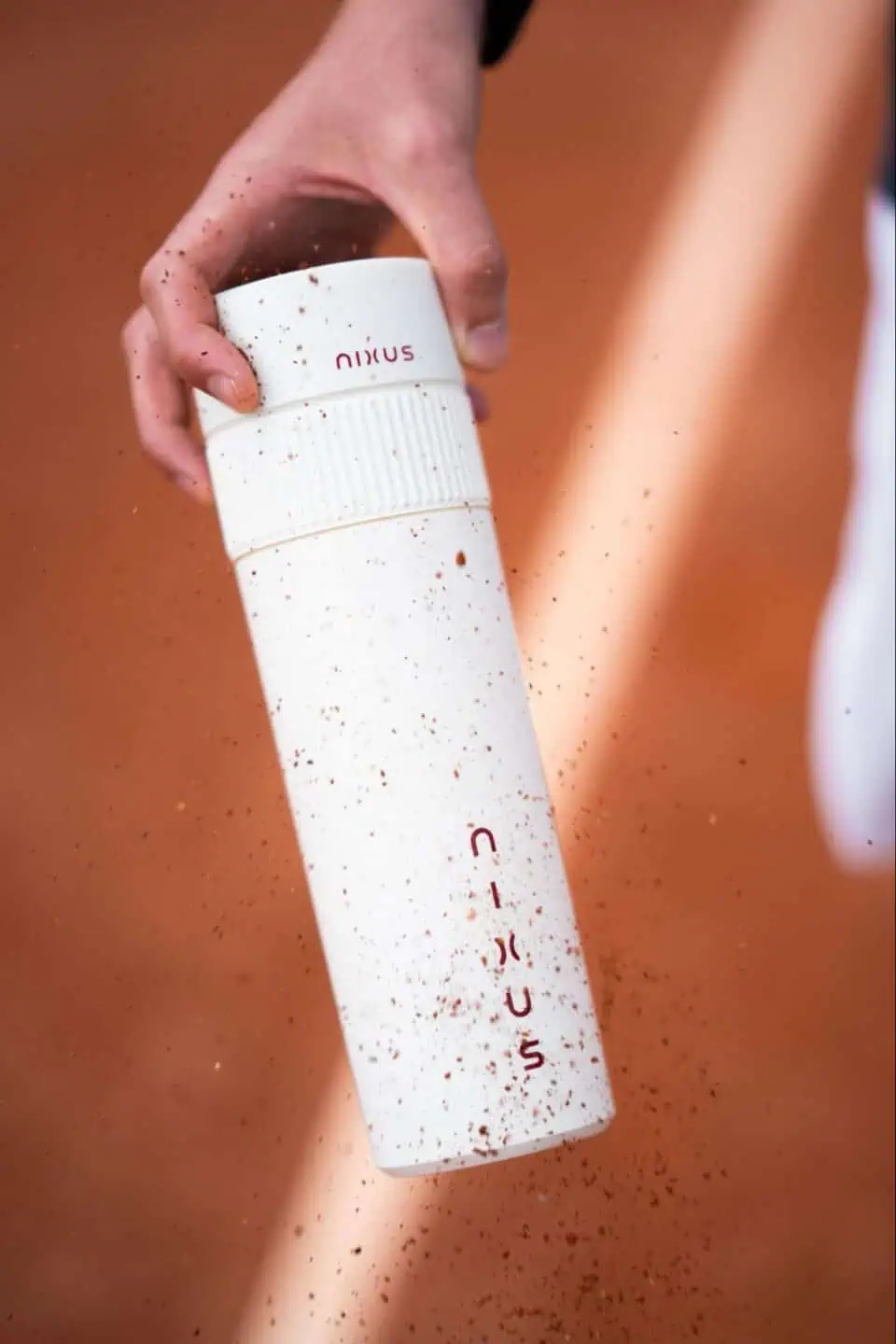
To turn their vision into reality, the company developed the world’s first smart charger for tennis and padel balls. The device functions as an intelligent, pressurised canister that restores the internal pressure of the balls, significantly extending their playing lifespan without altering the athlete’s routine on the court.
Intelligent Engineering and High-Accuracy Design
Automated Pressure Restoration Technology
The core innovation of NIXUS lies in its ability to seamlessly fit into an athlete’s routine while delivering advanced pneumatic performance. Tennis and padel balls lose up to 30% of their internal pressure within just two weeks as air slowly permeates through their rubber cores. By precisely increasing the pressure around the balls inside the sealed canister, NIXUS reverses this diffusion process.
Unlike standard pressurised containers on the market that compress blindly, NIXUS utilises a patent-pending technology that measures the internal pressure state of each ball with 98% accuracy. The user simply places the balls into the canister after a match, selects the sport type via the interface, and the device calculates and executes the optimal pneumatic charging cycle automatically.
Advanced Mechanical and Interface Architecture
Developing NIXUS required comprehensive in-house engineering, spanning custom electronic PCBs to a high-performance mechanical pressure seal. While the structural body is optimised for long-term injection moulding, the company needed a specialised low-volume manufacturing method for their pre-series runs that could guarantee strict airtightness, structural durability, and a premium consumer finish.
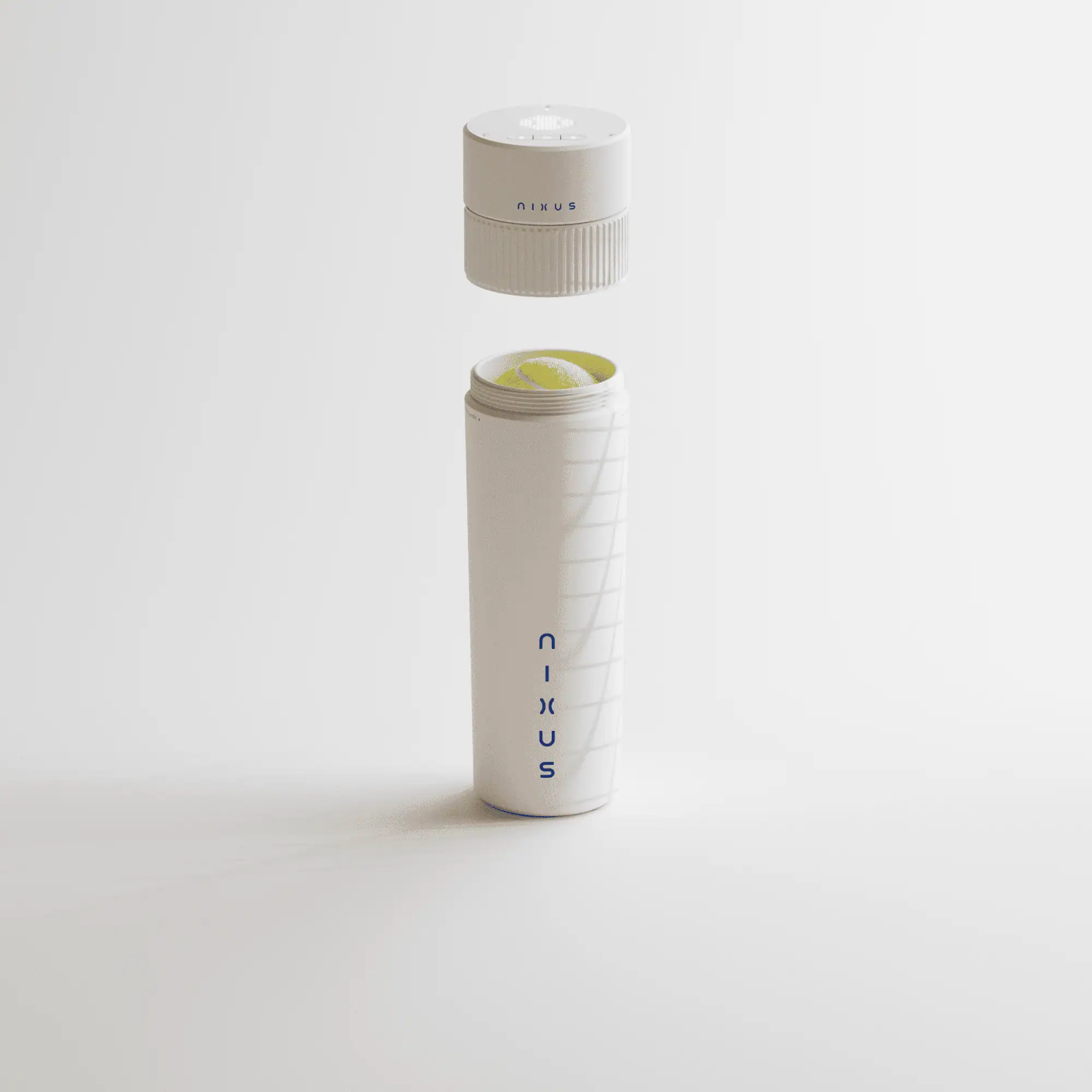
To elevate the user experience, NIXUS integrated a custom matrix display consisting of 534 LEDs beneath a scratch-resistant surface. Rather than relying on a generic LCD screen, this clean, minimalist interface remains completely invisible when inactive, maintaining the sleek, professional aesthetic of the product body.
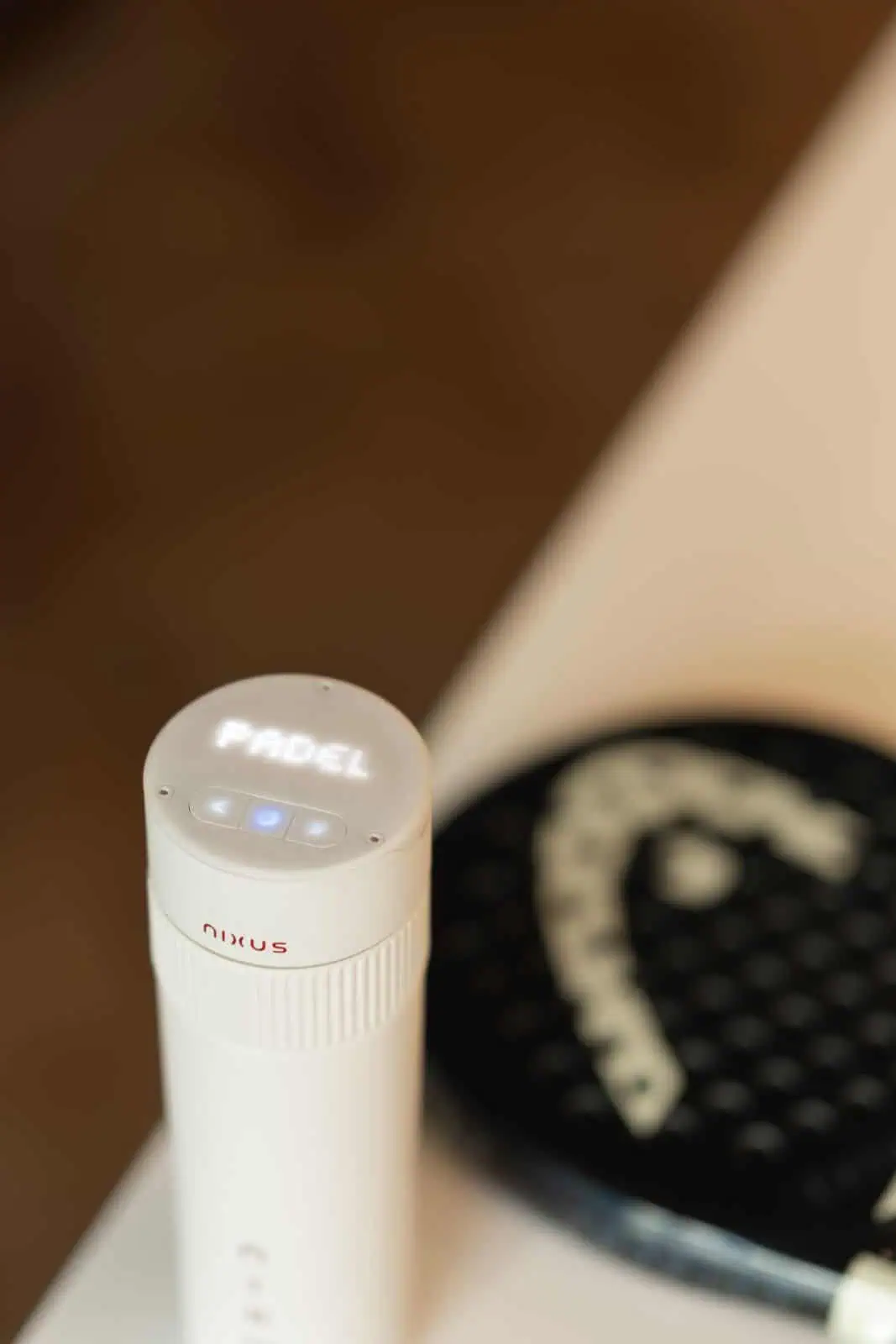
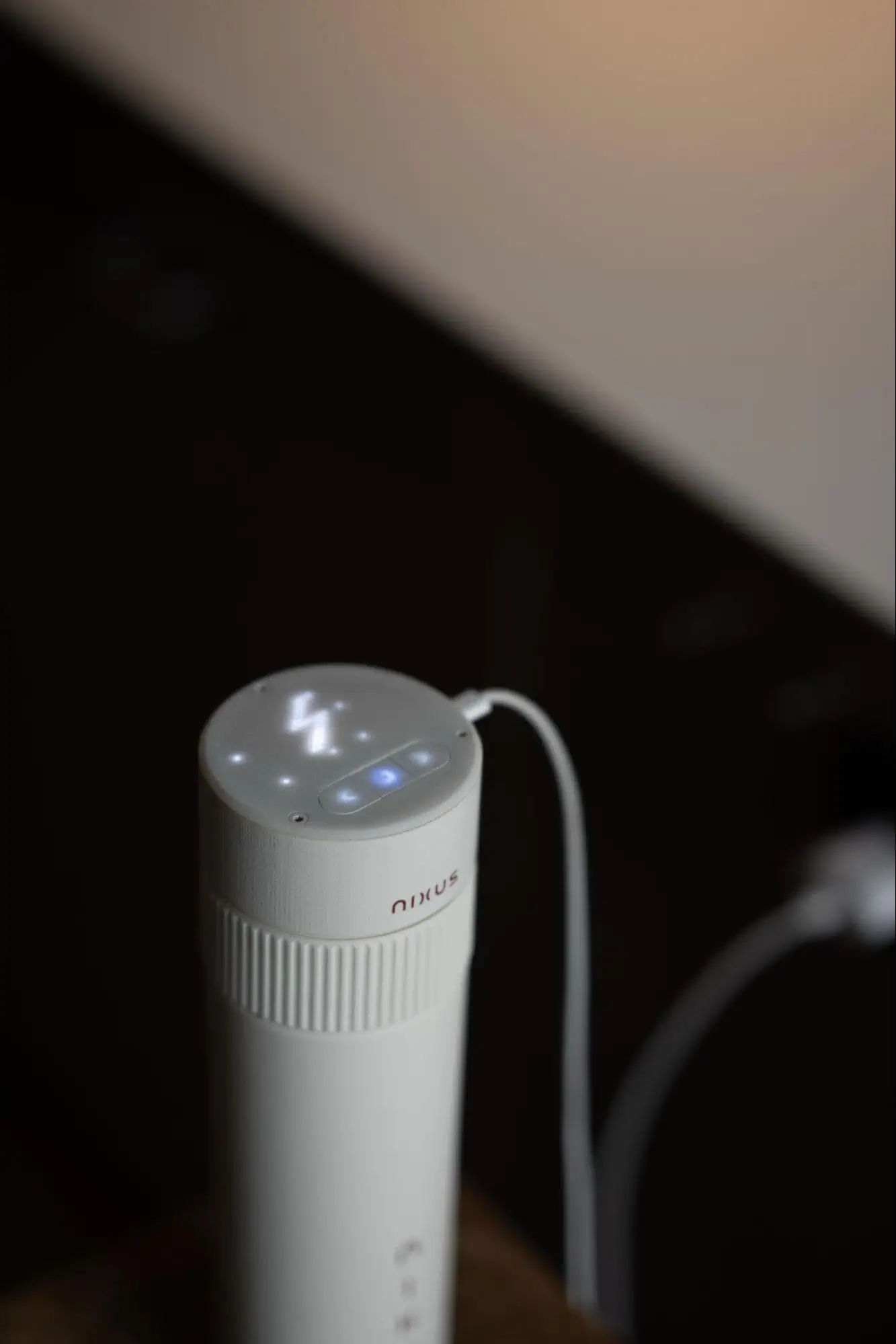
Scaling via SLS 3D Printing and Advanced Post-Processing
Overcoming Technical Barriers in Pre-Series Production
While the final commercial body of the NIXUS canister is designed for long-term injection moulding, the company required a manufacturing method for their initial pre-series production runs that could deliver airtight performance without the immense upfront cost of hard tooling. Standard desktop FDM (Fused Deposition Modelling) 3D printing proved useful for early prototyping, but it lacked the strict tolerances, structural durability, and sealing performance required by a pressurised system.
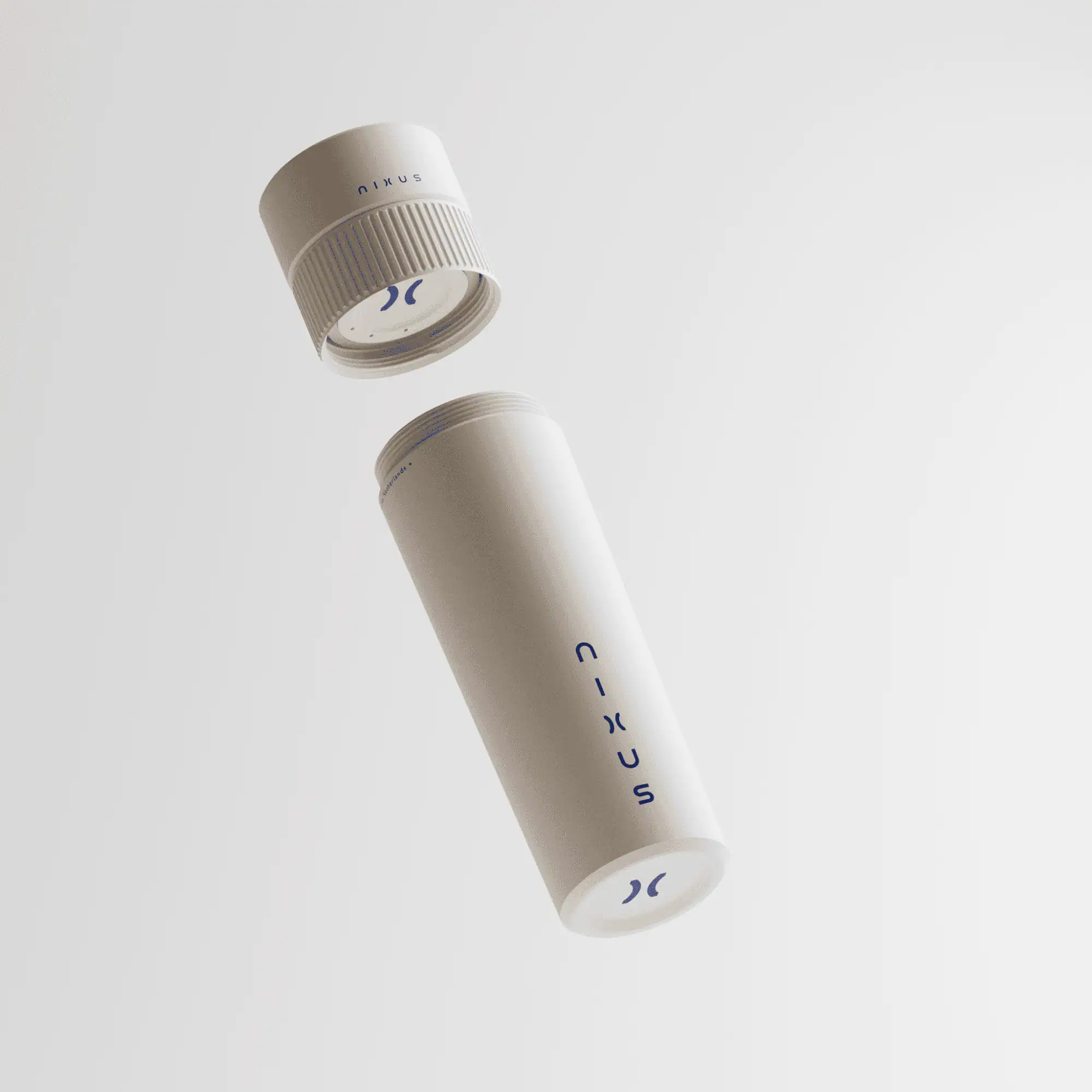
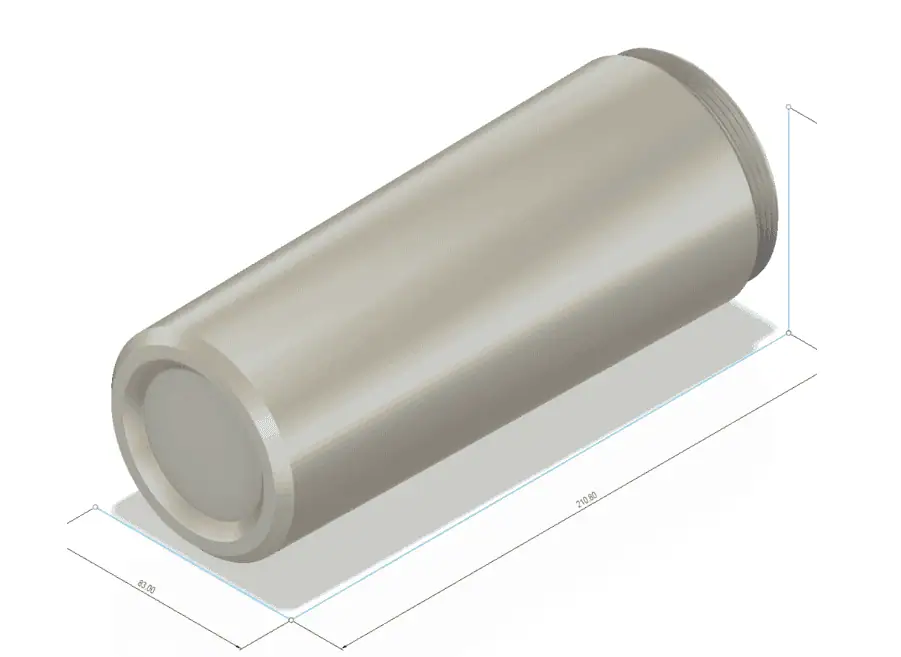
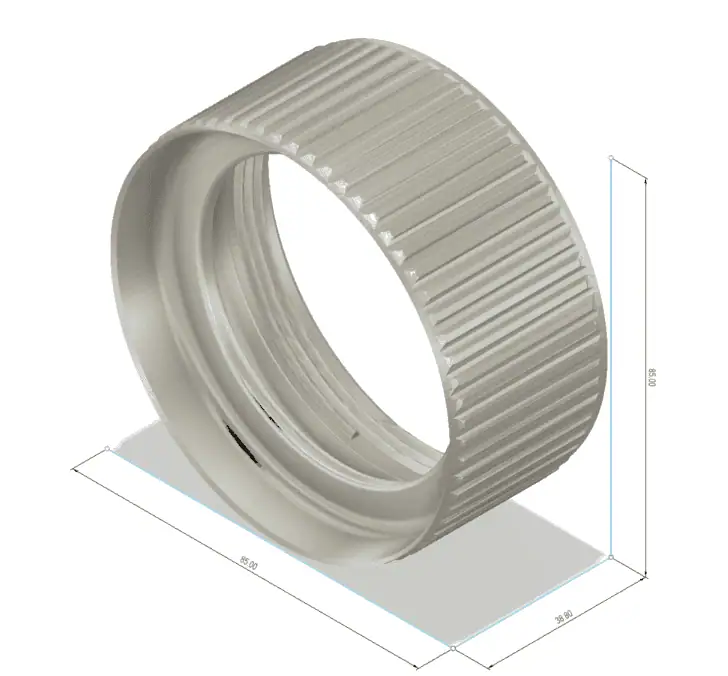
To bridge this gap and produce their first batch of market-ready units, NIXUS turned to Xometry’s industrial Selective Laser Sintering (SLS) 3D printing. Xometry manufactured all of the functional plastic components for the device—ranging from the main ball canister structural shell to the high-tolerance pressure connectors mounted directly onto the internal electronic PCBs.
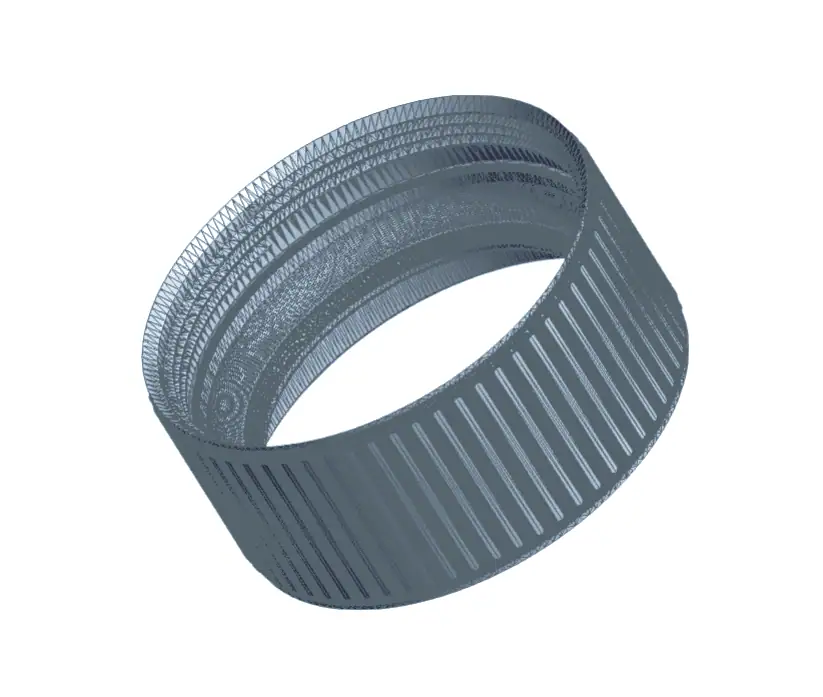
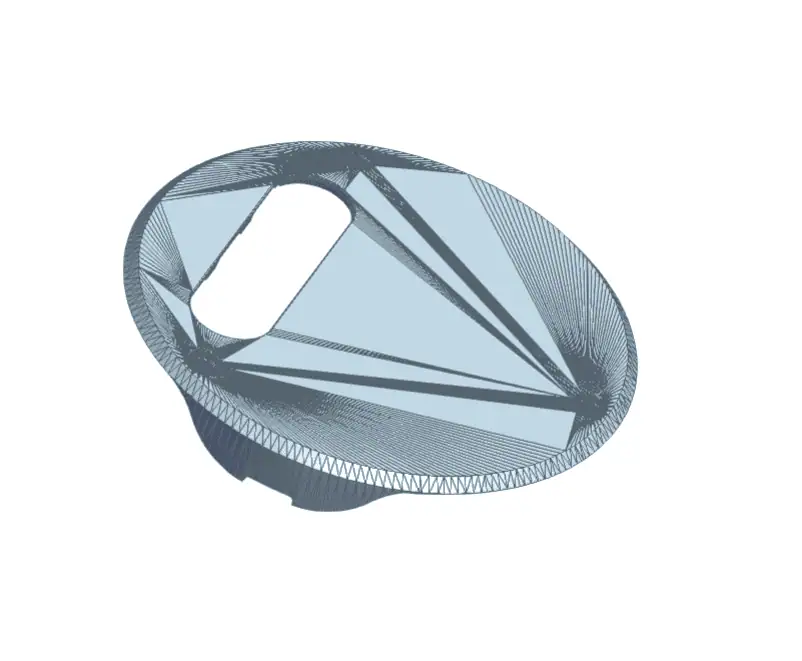
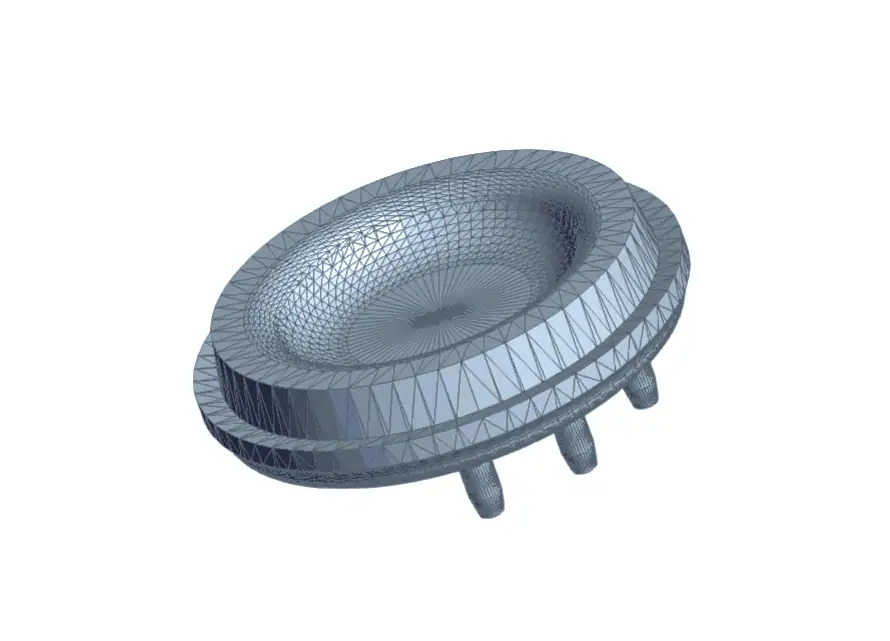
Material Selection and Critical Surface Finishing
The production components were printed using PA12 (Nylon 12), chosen specifically for its high mechanical strength, dimensional stability, and excellent compatibility with advanced post-processing techniques. Because raw SLS parts are inherently porous, achieving a perfect pneumatic seal required a precise finishing strategy.
NIXUS utilised Xometry’s vapour polishing service to chemically smooth the surface roughness of the components. This process was highly critical to the device’s functionality, as it sealed the microscopic pores of the PA12 material to guarantee long-term airtightness. Following vapour polishing, the parts underwent industrial spray painting using a premium RAL9001 finish, transforming the components from rough prototypes into a refined, high-end consumer product.
Accelerating Development via Digital Procurement
The integration of the Xometry Instant Quoting Engine played a key role in accelerating the company’s development timeline. By uploading CAD models directly to the platform, the engineering team could instantaneously evaluate lead times, compare material costs, and order design iterations on demand. This digital workflow allowed NIXUS to rapidly validate part fits, adjust tolerances between iterations, and confidently transition into their current pre-series production run.
“The Xometry platform made our development process straightforward,” says Joep Raithel, Co-Founder of NIXUS. “The instant quoting engine allowed us to quickly compare manufacturing options and make faster decisions, which directly improved our overall iteration speed throughout development.”

Future Plans and Global Market Launch
Validation Strategy and the Kickstarter Campaign
NIXUS is currently executing a pilot programme utilising the 25 validation units manufactured by Xometry. This critical real-world testing stage allows the team to identify and resolve any operational nuances before initiating large-scale mass production.
Following the completion of this validation phase, NIXUS will launch its official commercial market entry this August via a global Kickstarter campaign. To maximise momentum ahead of the launch, the company is actively building an exclusive waitlist on its digital platform, offering early adopters a specialised launch discount to help bring NIXUS straight onto courts worldwide.
Transitioning to Scalable Manufacturing
As demand increases post-launch, the company’s production requirements will naturally transition from pre-series validation batches to high-volume manufacturing. Because the product architecture was strategically designed from the outset with injection moulding in mind, NIXUS is perfectly positioned to seamlessly scale its production infrastructure. This industrial transition will also unlock deeper customisation capabilities, allowing the company to introduce diverse surface textures and unique colour configurations to the market.
NIXUS intends to maintain its strong operational partnership with Xometry for all upcoming research and development initiatives, including the prototyping and validation of their next pipeline products.


An Innovative Bike With 3d Printed Metal Suspension From Xometry
Sports
CNC Machining
3D Printing
Prototyping, R&D
Read Story
Having a partner we could rely and deliver high-quality parts was essential… If things had gone wrong, we wouldn’t have won the competition.
Read Story
Play video
Video case


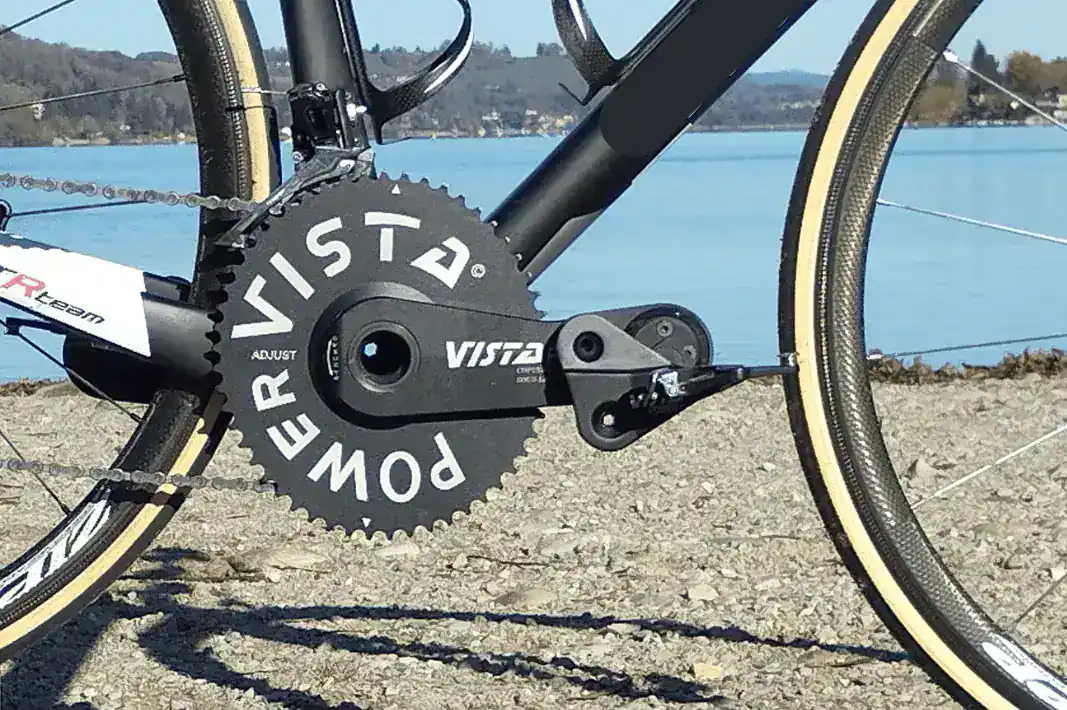
Byqee: The Bicycle-Electrifying Venture & Collaboration with Xometry
E-Mobility
Sports
3D Printing
Injection Moulding
High-Volume Manufacturing, Procurement, Prototyping, R&D
Read Story
When we had to switch to plastic injection, we again turned to Xometry Türkiye. Managing every process on a single platform, with the guidance of dedicated Xometry’s engineering team, made it all extremely convenient.
Read Story
Play video
Video case
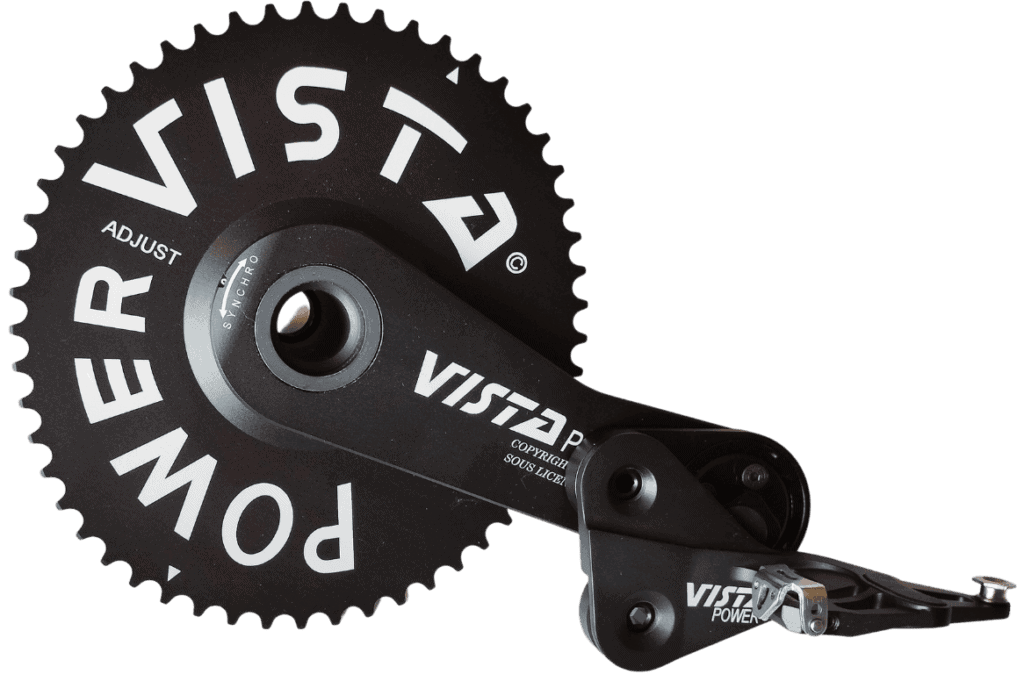

Vista Pro Cycling and Xometry: A Partnership Driving the Cycling Revolution
Sports
CNC Machining
3D Printing
Procurement, Prototyping
Read Story
In the world of cycling, innovation and performance are paramount in delivering solutions that meet the needs of enthusiasts. Vista Pro Cycling, relaunched by Aurélien Dartevel, embodies this spirit with the debut of its flagship product, the VISTA POWER crankset. By partnering with Xometry, the company combines expertise and ambition to redefine the standards of modern cycling.
Read Story

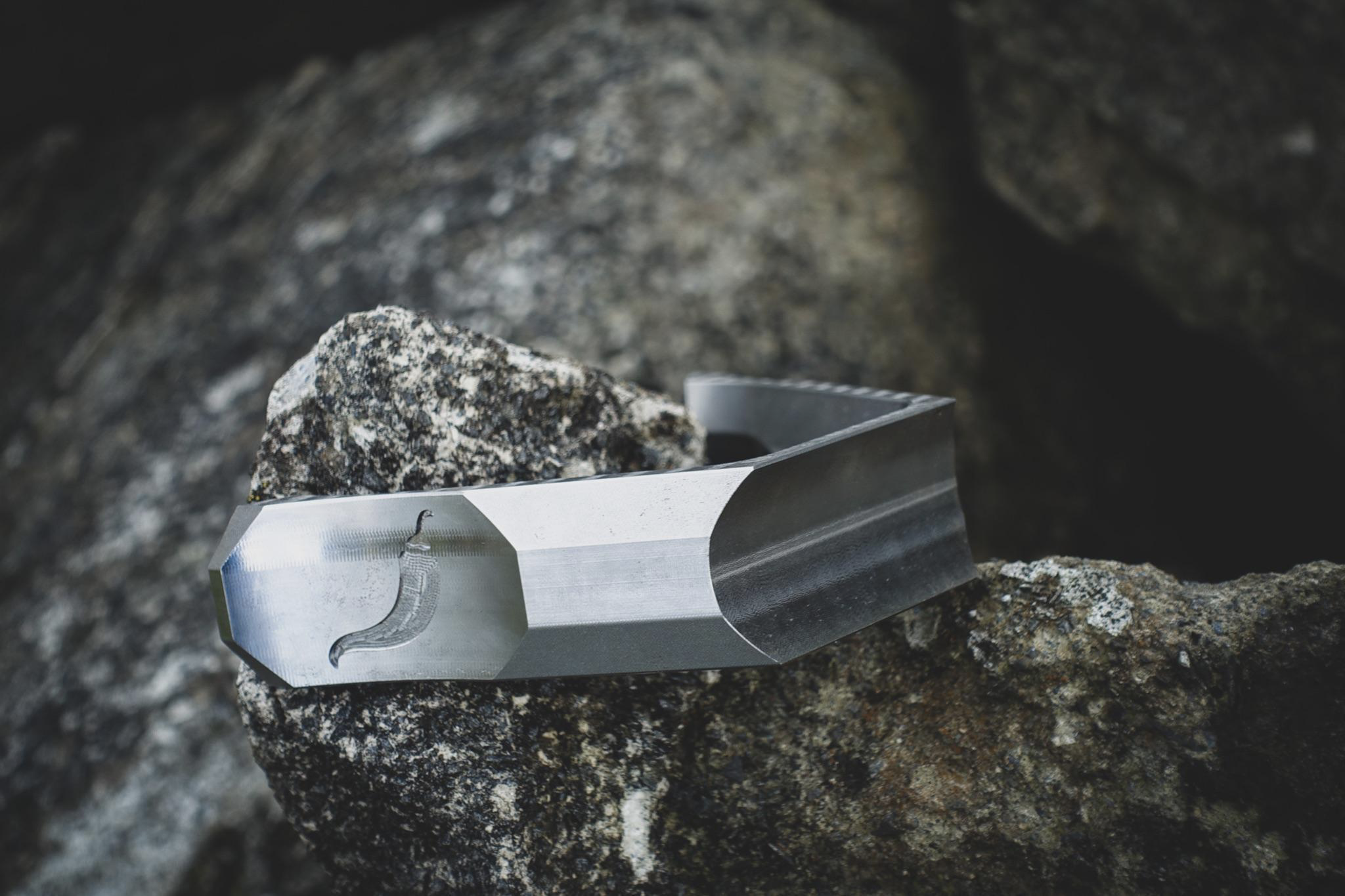


High-end Bike Frames Produced With the Help of on-demand Manufacturing
Sports
CNC Machining
Prototyping
Read Story
Xometry makes the process of sourcing custom and serial parts much easier. … Xometry helps me get fair prices for the CNC machined parts compared to when I would go to a random manufacturer I don’t have a relationship with.
Read Story

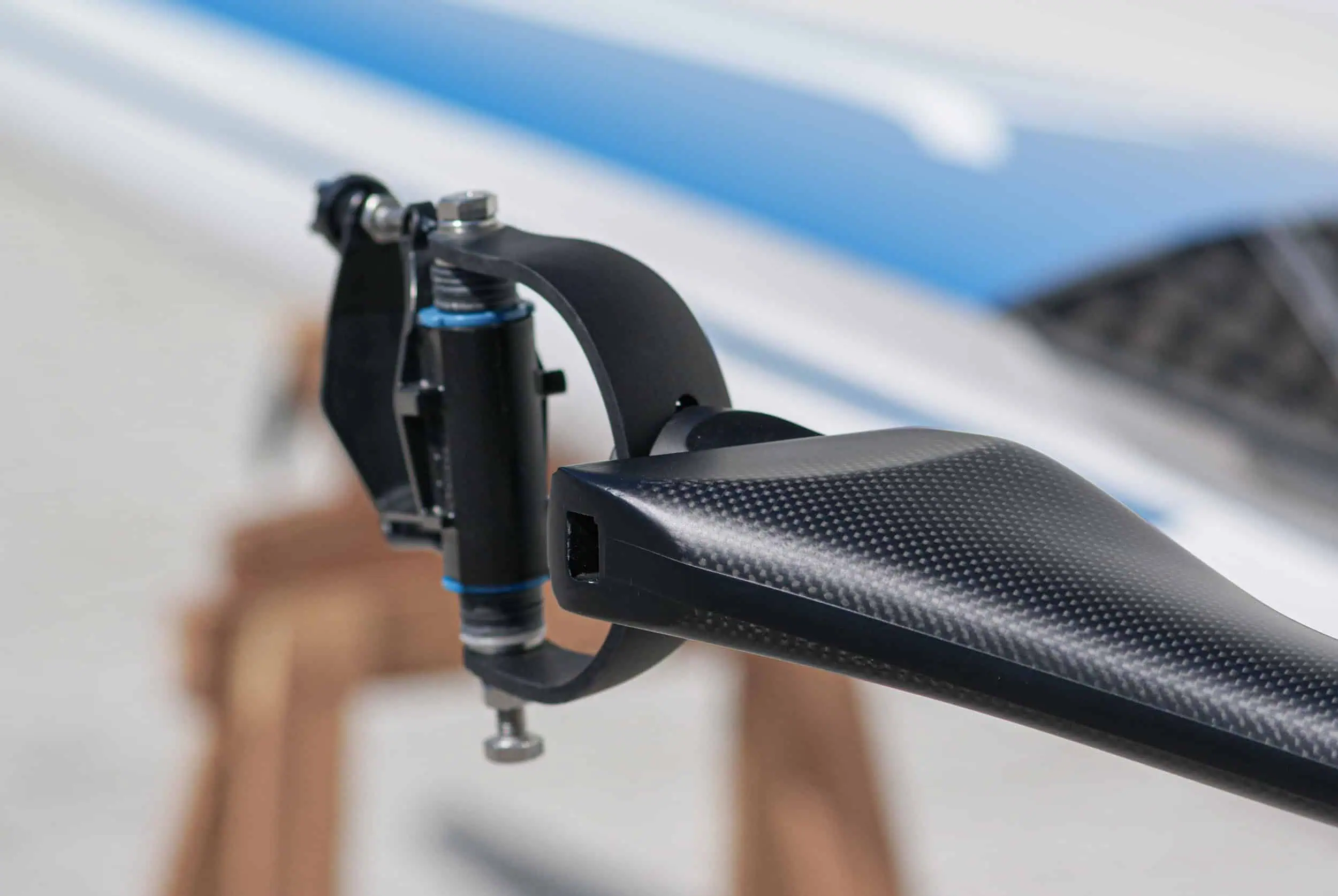


Filippi Lido Engineering Olympic Success with Xometry Production Solutions
Sports
CNC Machining
Procurement, Prototyping, R&D
Read Story
We found a flexible company — fast in providing responses and feedback, highly professional, and offering an excellent price-to-quality ratio.
Read Story
Play video
Video case
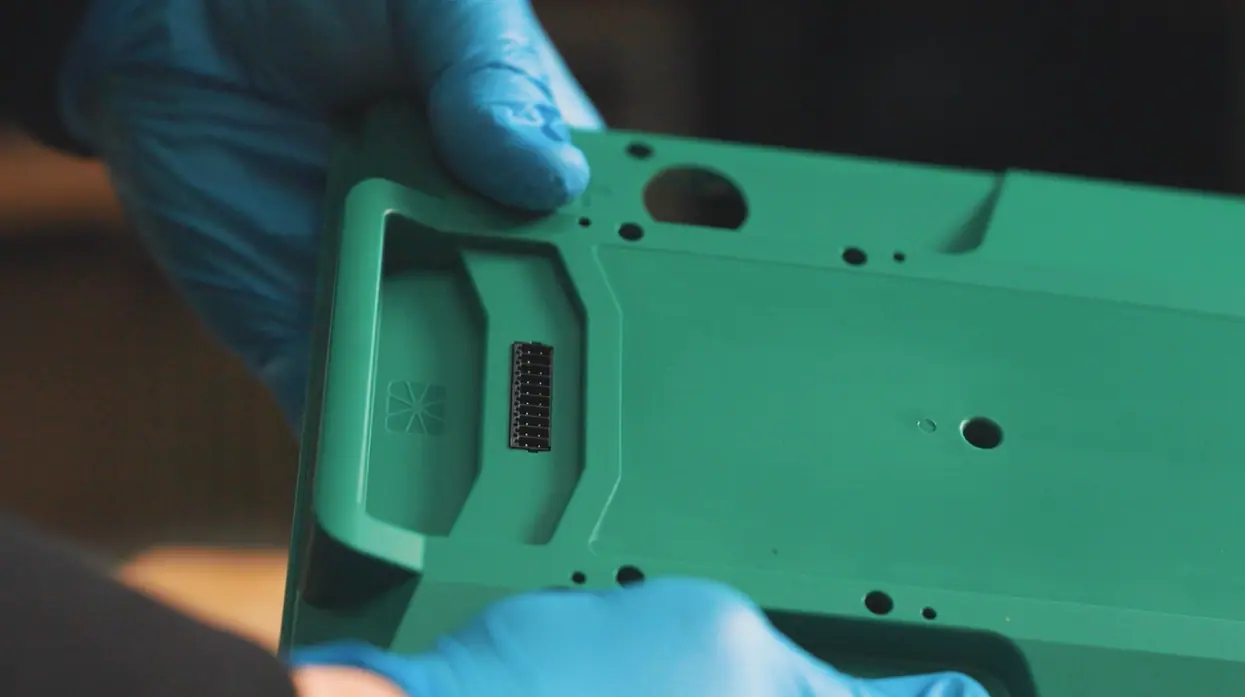


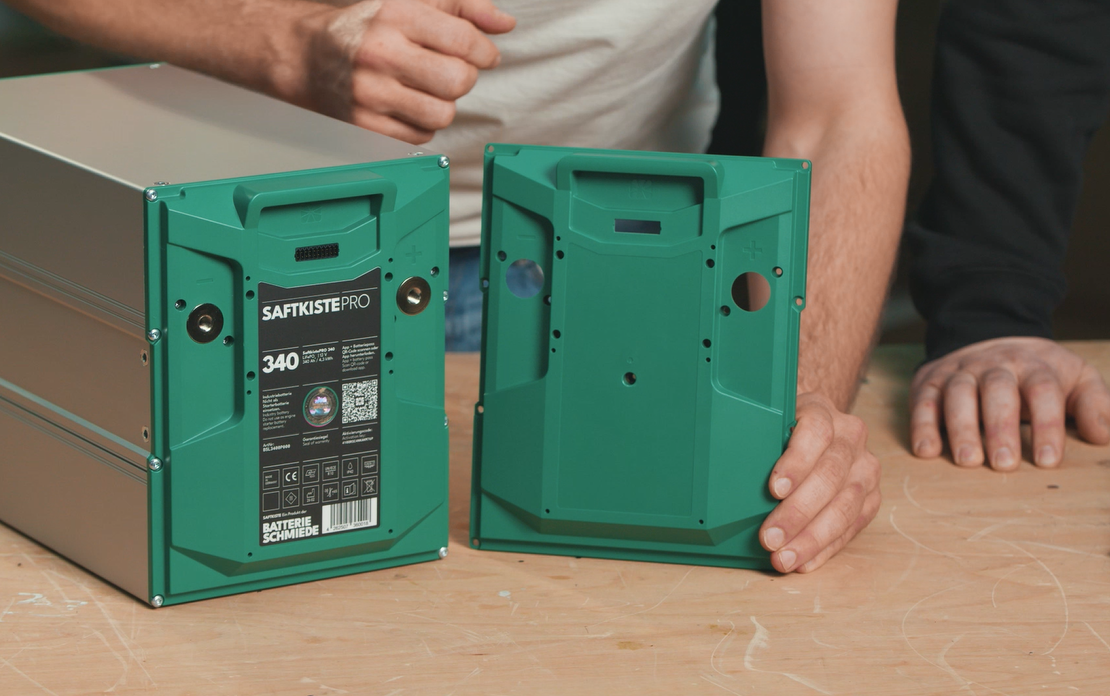
How Batterieschmiede Brought the Saftkiste to Series Production with Xometry
Energy
3D Printing
Injection Moulding
High-Volume Manufacturing, Prototyping, R&D
Read Story
German startup Batterieschmiede successfully launched its certified lithium battery housing into series production with support for Moldflow analysis, 3D-printed prototypes, and injection molding manufacturing. The collaboration helped the team meet certification requirements and stay on schedule.
Read Story
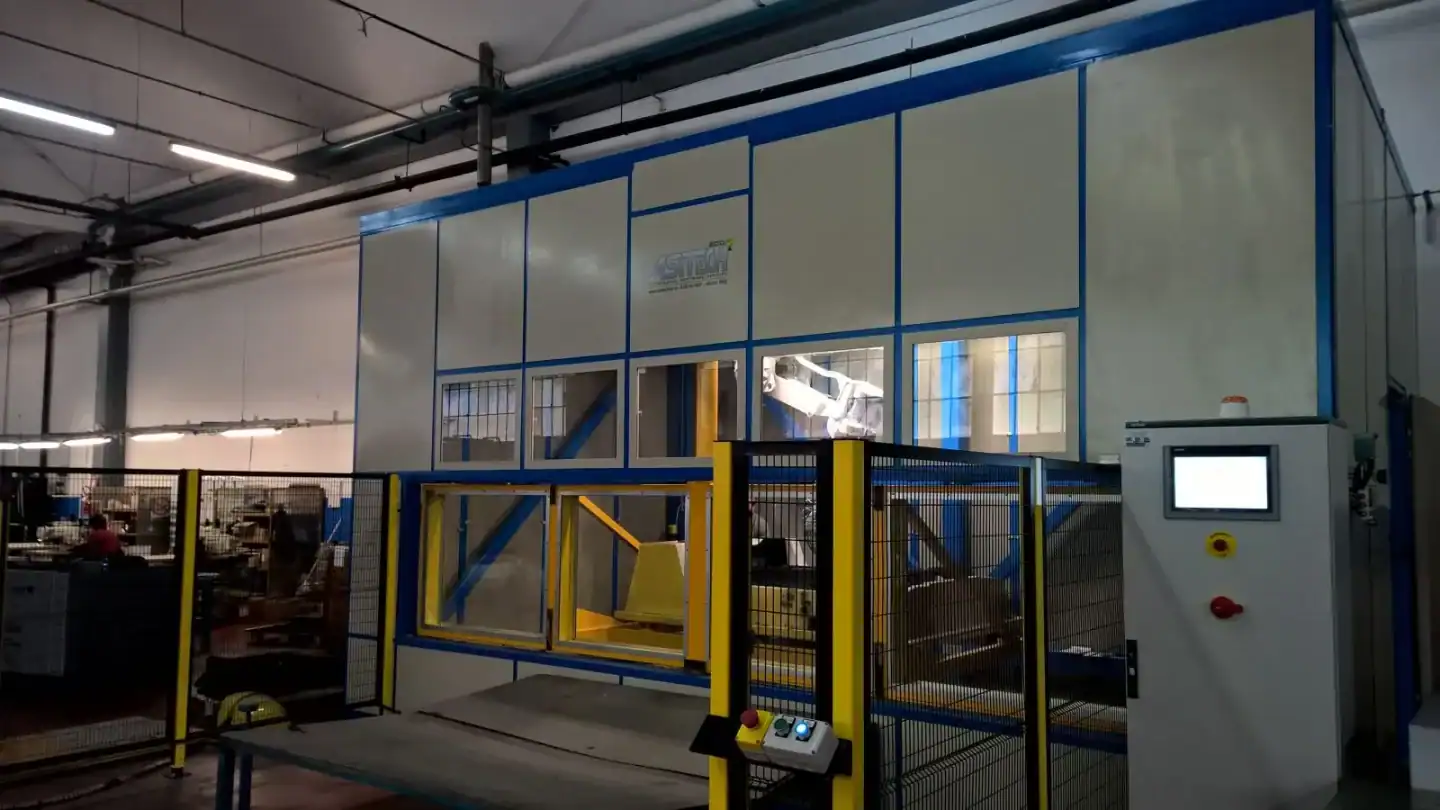
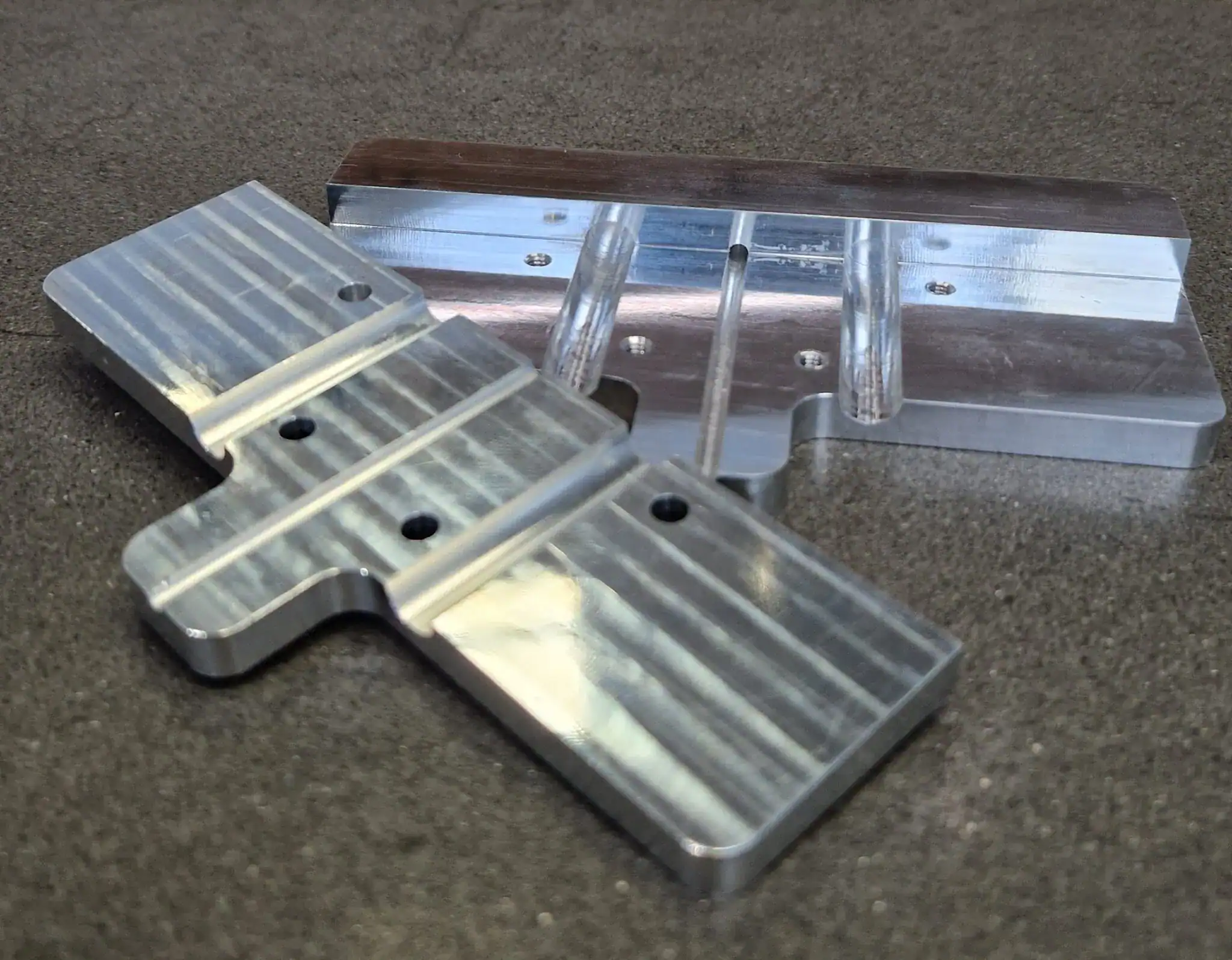

Customized Industrial Plants: Xometry Helps Asitech to Build Machines Quicker
Electronics
Machine Building
CNC Machining
3D Printing
High-Volume Manufacturing, Prototyping
Read Story
One of the main reasons was your Instant Quoting Engine, which impressed us and helped us a lot … in zero time, I can get a quote for 1, 10 or 100 pieces, and test how much it might cost to produce with one material over another.
Read Story
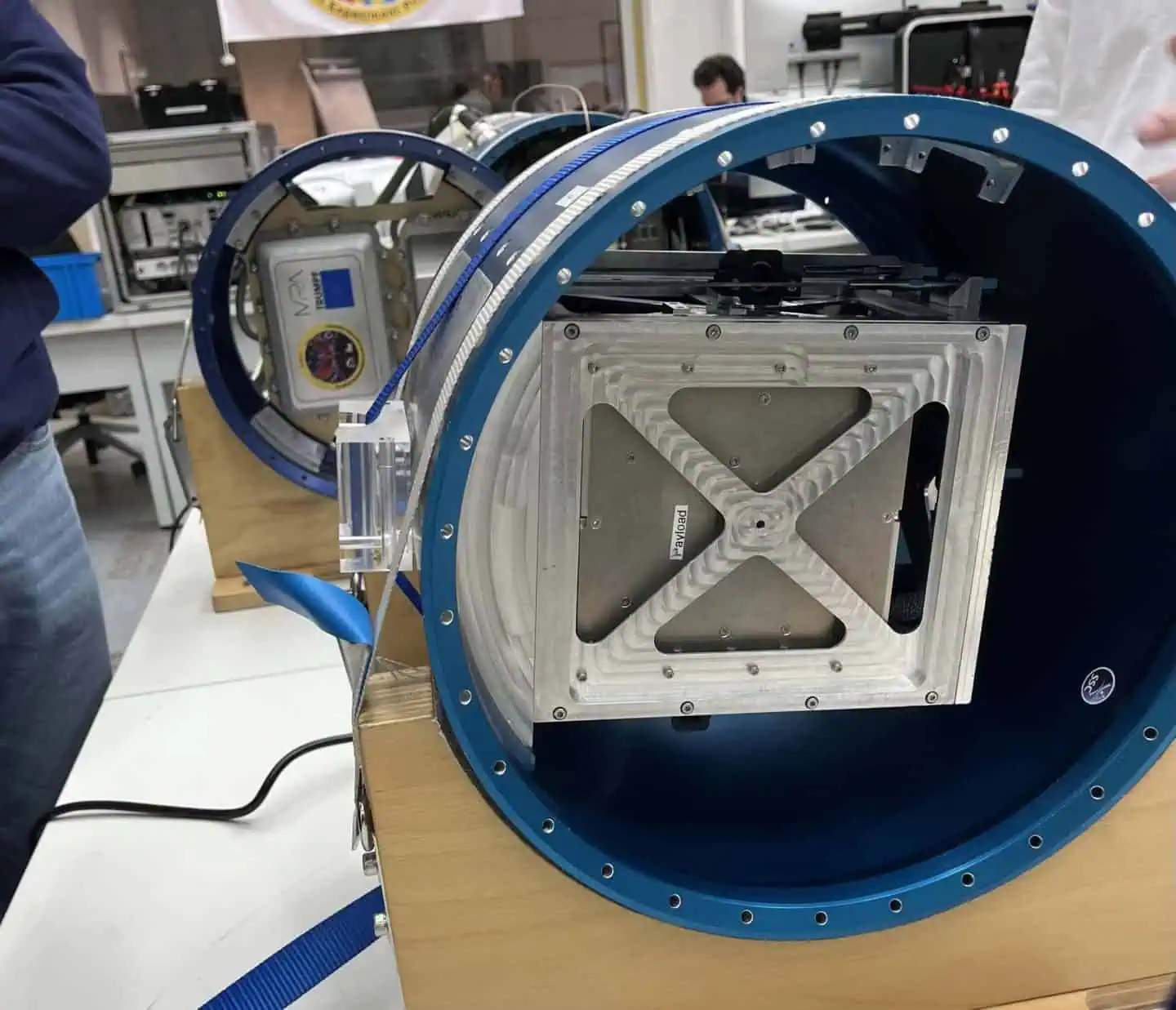
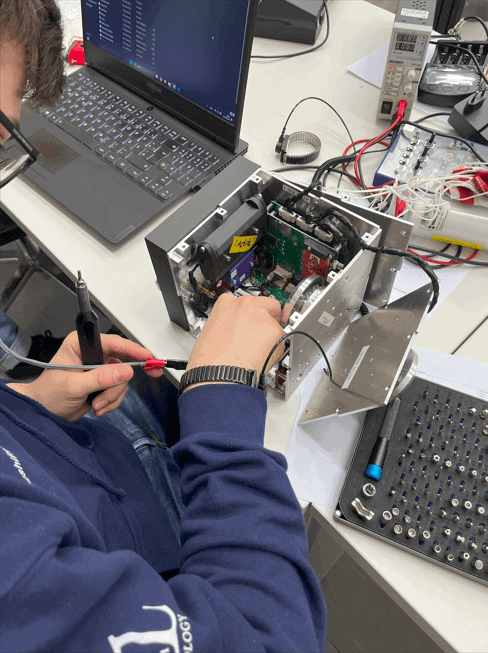

How Project FENRIR and Xometry Developed a Modular Free-Fall Experiment Platform for Microgravity Research
Aerospace
CNC Machining
3D Printing
Prototyping, R&D
Read Story
We were impressed with how smoothly the process went, from quoting to delivery. Xometry’s ability to deliver high-quality parts on time was essential to our success.
Read Story

Play video
Video case
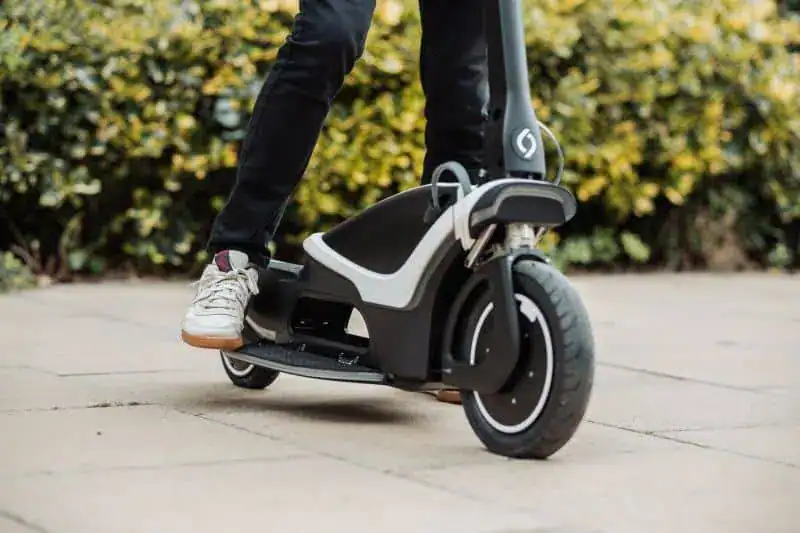

Premium E-Scooter Prototype Produced in Rapid Time for Micro Mobility Launch
E-Mobility
CNC Machining
3D Printing
Prototyping
Read Story
There was a noticeable trend of people moving away from buses and trains, instead taking up e-scooters for a sense of freedom and personal space.
Read Story
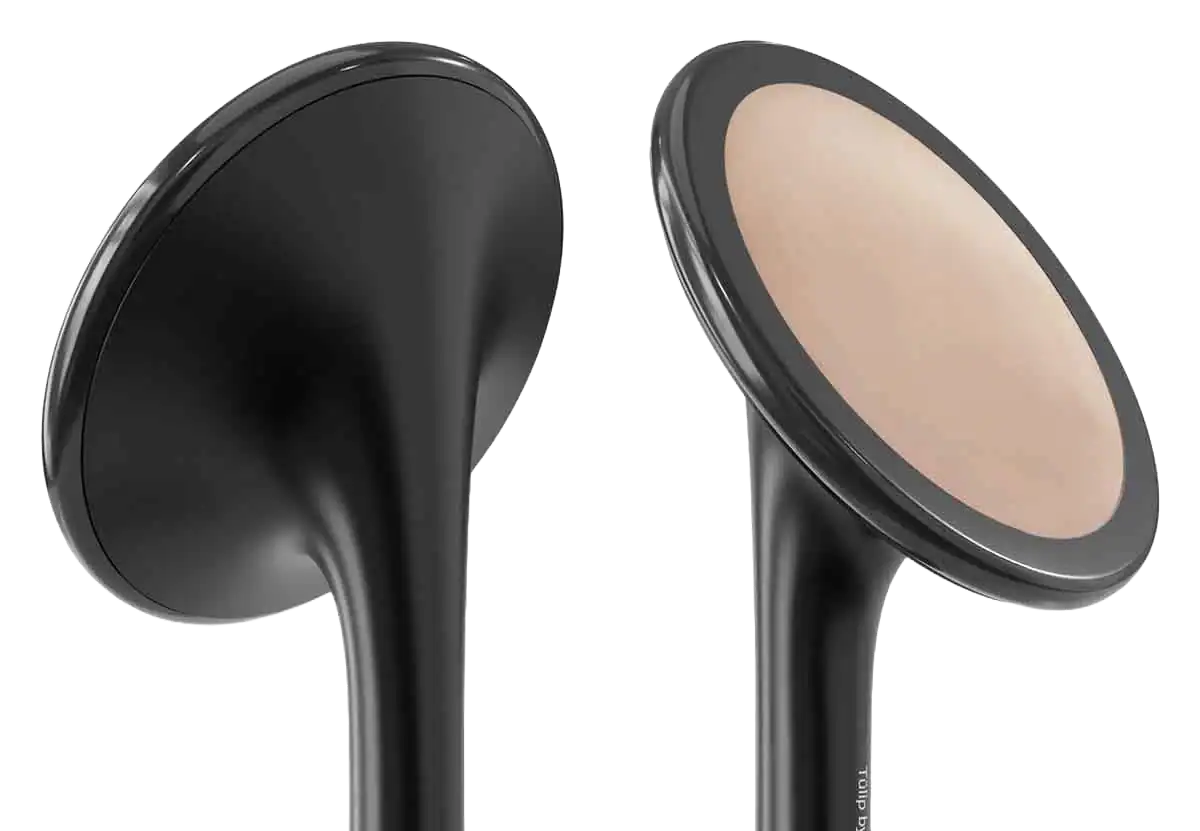

How Doccheck is Reinventing and Mass-producing Medical Products With Xometry
Healthcare
CNC Machining
3D Printing
Injection Moulding
Prototyping, R&D
Read Story
If it’s not close enough to the reference model, Xometry is very helpful and we get a new one based on our feedback until we’re completely sure that’s the right quality we want. Xometry is always there to help us and is focused on delivering the best possible solution.
Read Story



Increase Your Reading Speed With Bookhoover, an Innovative Reading Buddy Created With 3D Printing
Consumer Goods
3D Printing
Prototyping, R&D
Read Story
I no longer had to actively hold something and could easily guide my eyes through the lines of the text without covering too much like a finger does… That’s why ergonomics are a key consideration for reading or speed reading.
Read Story

The First Portable Calibrator for Chemical Sensors Built Using Xometry
CNC Machining
3D Printing
Prototyping, R&D
Read Story
We didn’t expect the case to be a key feature of the device, but the customers thought otherwise. It was a real innovation in terms of design…
Read Story