 Europe
  United Kingdom
  Türkiye
  USA & Canada
  APAC
APAC  الشرق الأوسط
 Case Studies
  Materials Library
  Articles
  E-Books & Guides
  Webinars
  Free Courses
  Community Discussions
  Free Tools
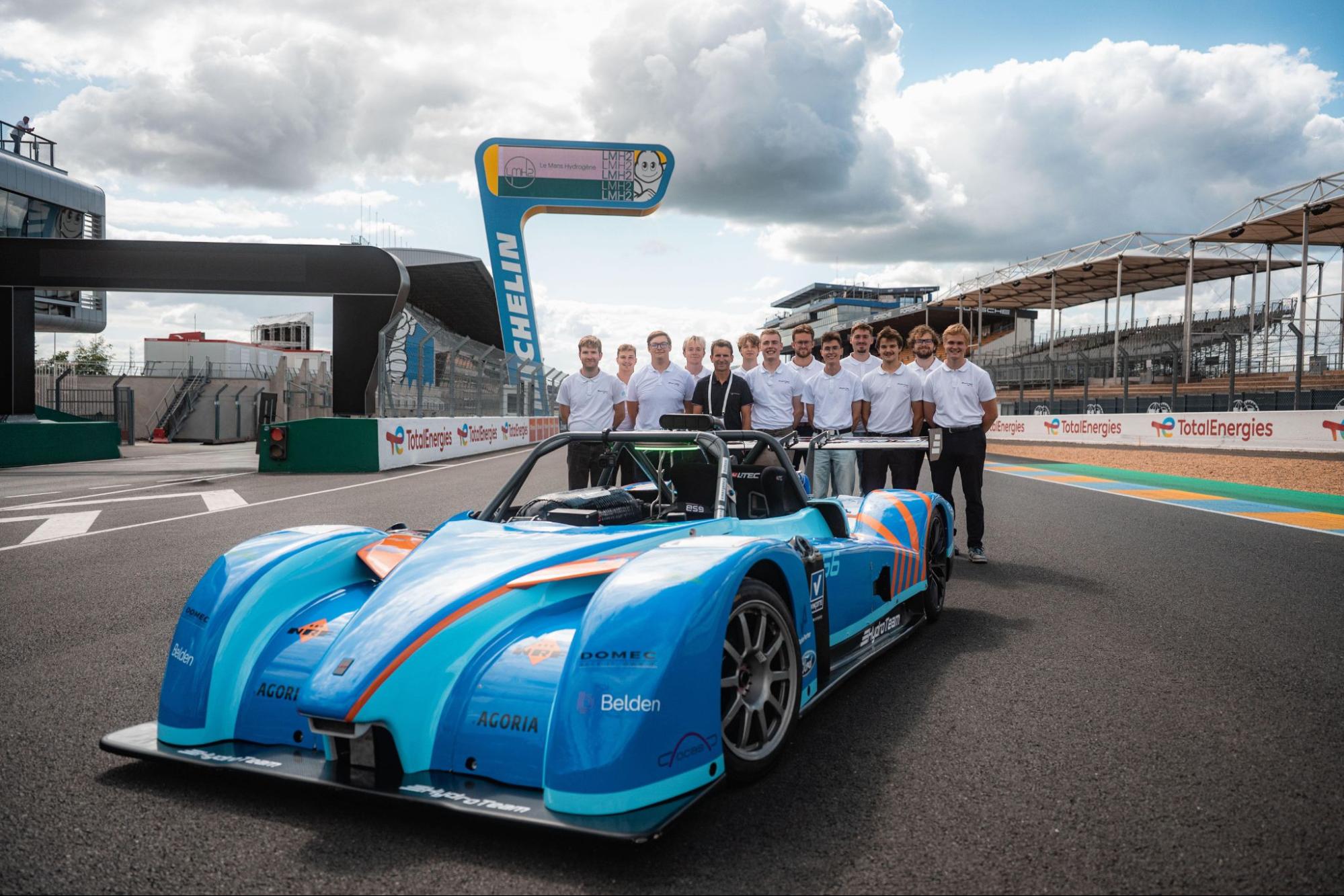
 Building Belgium’s first hydrogen-powered race car to compete at the 24 Hours of Le Mans requires extreme mechanical precision, but for Hydro Team—a student engineering team at KU Leuven—sourcing single-piece, high-stress custom metal components presented a critical operational roadblock. Without internal CNC capabilities or local suppliers willing to take low-volume orders under rigid academic deadlines, the team faced severe development delays.

Industry
Automotive
Country

Belgium
Use case
PrototypingR&D
Technology
CNC Machining
Materials
Steel, 7075-T6 aluminium, structural and lightweight aluminium
Product
Custom adapters, suspension rockers, & mounting brackets
Partnering with Xometry allows our student engineers to focus on what matters most—innovating zero-emission hydrogen tech—knowing our physical parts will arrive exactly to spec when we need them on track.
By partnering with Xometry for on-demand CNC machining, Hydro Team bypassed procurement bottlenecks, validated their V6 engine test bench on schedule, and established a simple, repeatable manufacturing pipeline that seamlessly hands off from one student cohort to the next.
To bring their zero-emission V6 prototype from CAD screens to the test bench, Hydro Team turned to Xometry as their primary manufacturing partner for custom, flight-critical components.
From Bold Concept to Track-Ready Innovation
Hydro Team was founded to address a critical gap in motorsport and sustainable mobility: while battery-electric setups dominate short-range transport, hydrogen presents the true future for zero-emission endurance racing.
To validate their powertrain, the team developed V0, a rolling prototype featuring the first student-built hydrogen internal combustion engine in Belgium. Today, Team 3 boasts a multidisciplinary group of 13 core engineers—handling mechanics, aerodynamics, software, and powertrain—working toward their next major milestone: entering full wheel-to-wheel endurance races.
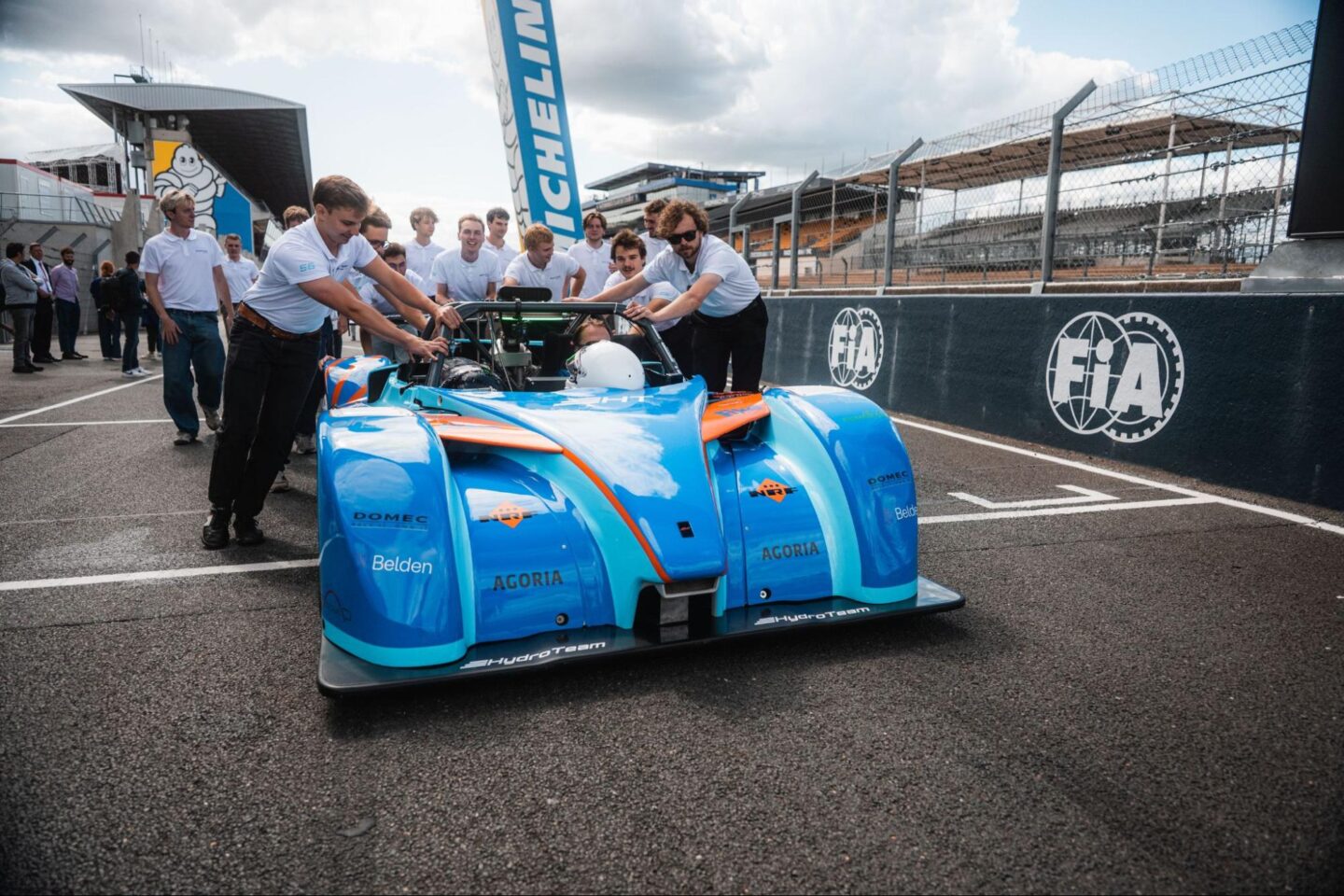
Hydro Team operates under a hands-on, full-lifecycle engineering model. Without a separate design office and workshop, the same team member who models a component in CATIA 3DEXPERIENCE is also responsible for placing the order, mounting the physical part, and running validation tests. Every part designed is a custom, one-off solution built specifically to integrate with their bespoke chassis and engine packaging.
The Challenge: Precision Custom Parts with Zero Lead-Time Cushion
In a high-vibration, high-stress automotive ecosystem, generic off-the-shelf catalogue parts rarely fit. Custom adapters, complex suspension linkages, and steering supports must be manufactured from solid, certified metals capable of enduring extreme mechanical loads.
Because Hydro Team operates within strict academic calendars and fixed milestone dates—such as first dyno runs and track testing—development speed is paramount. However, sourcing low-volume or single-piece custom CNC parts through local job shops often presents long lead times and administrative roadblocks.
The Solution: On-Demand CNC Machining via Xometry
Hydro Team partnered with Xometry to source custom, high-precision metal components directly from their 3D CAD models. By leveraging Xometry’s digital platform, the team bypassed the lengthy procurement cycles typical of local machine shops, drastically reducing the time and administrative effort spent hunting for vendors willing to take single-piece orders. Instant pricing and automated DFM feedback filled a critical gap in their internal manufacturing capabilities, providing engineering guidance while keeping project costs predictable under tight student budgets.
To bring their prototype and test bench online, Xometry manufactured four flight-critical component assemblies:
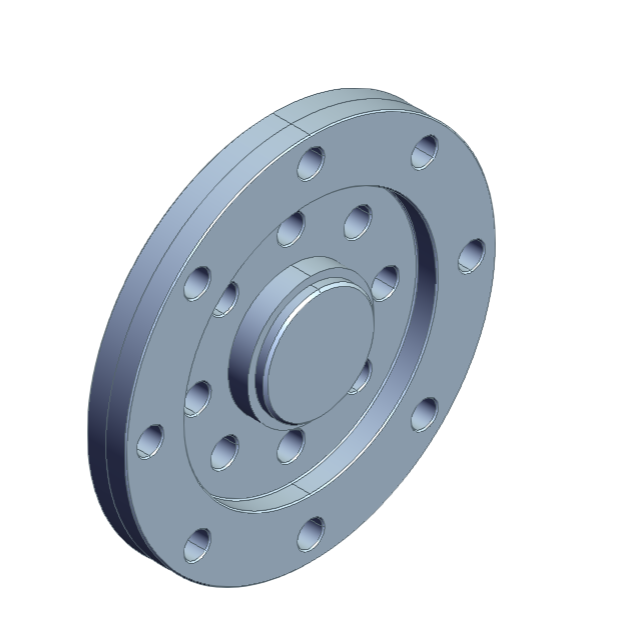
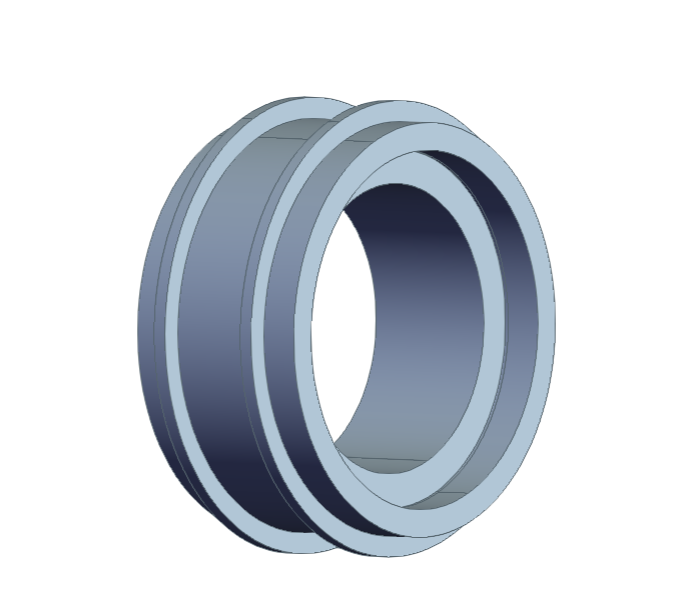
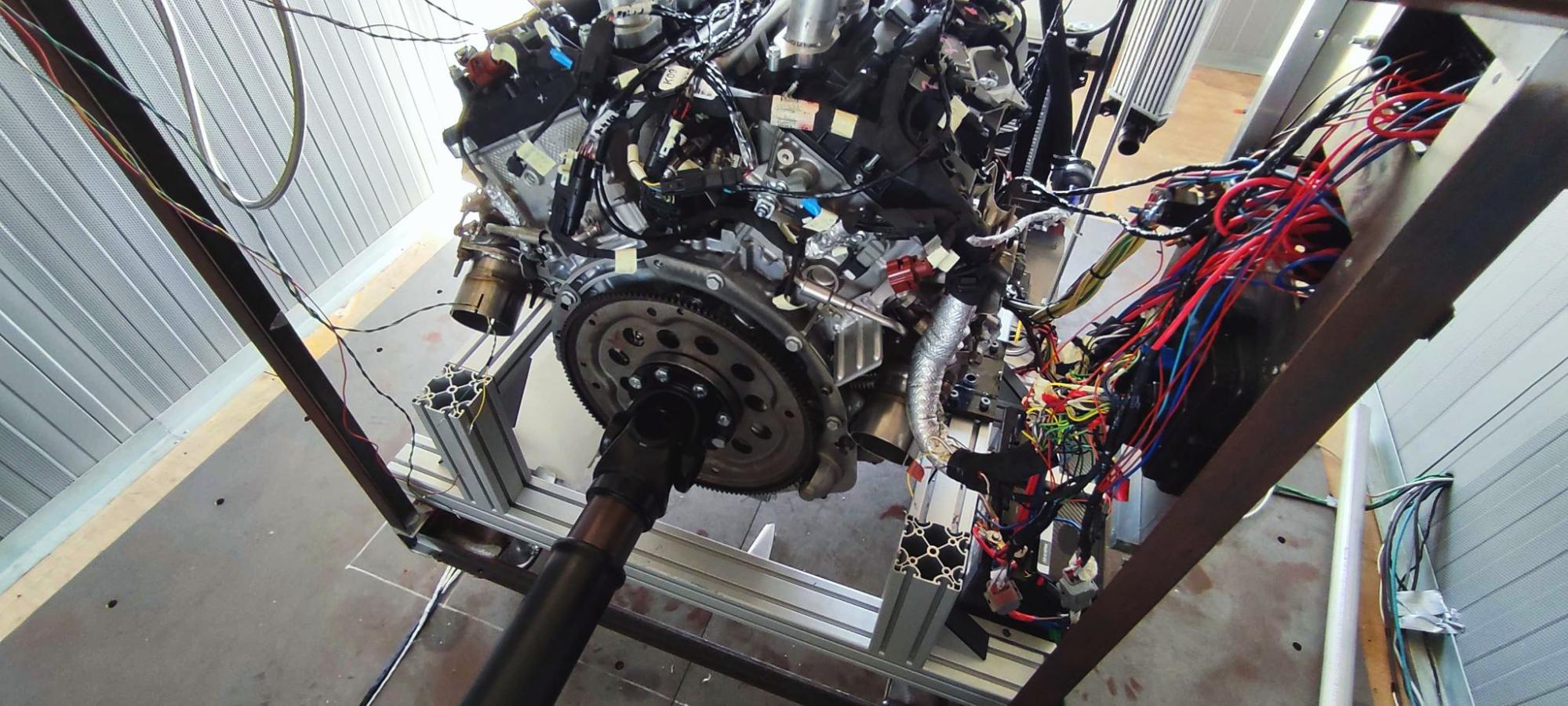
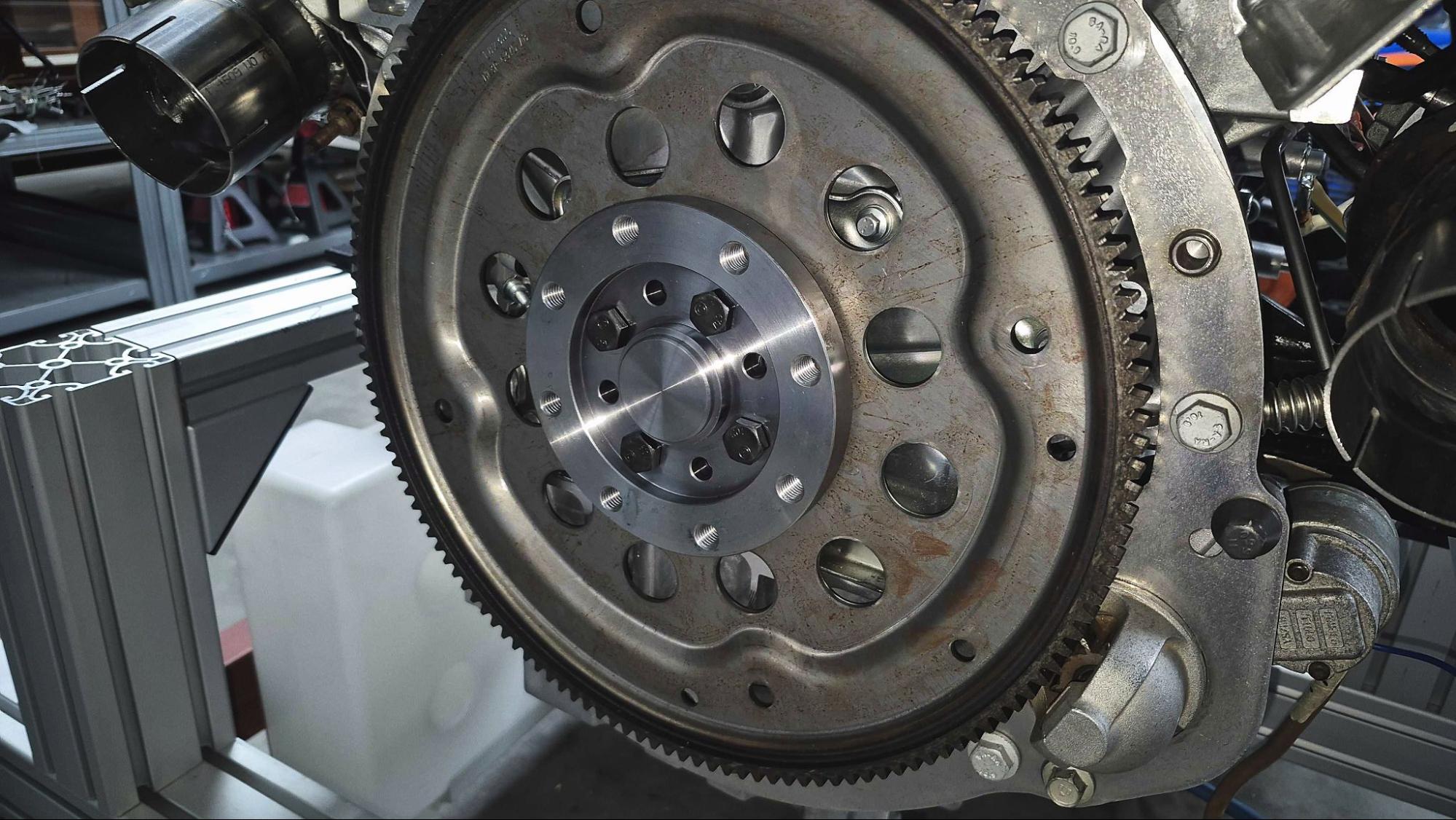
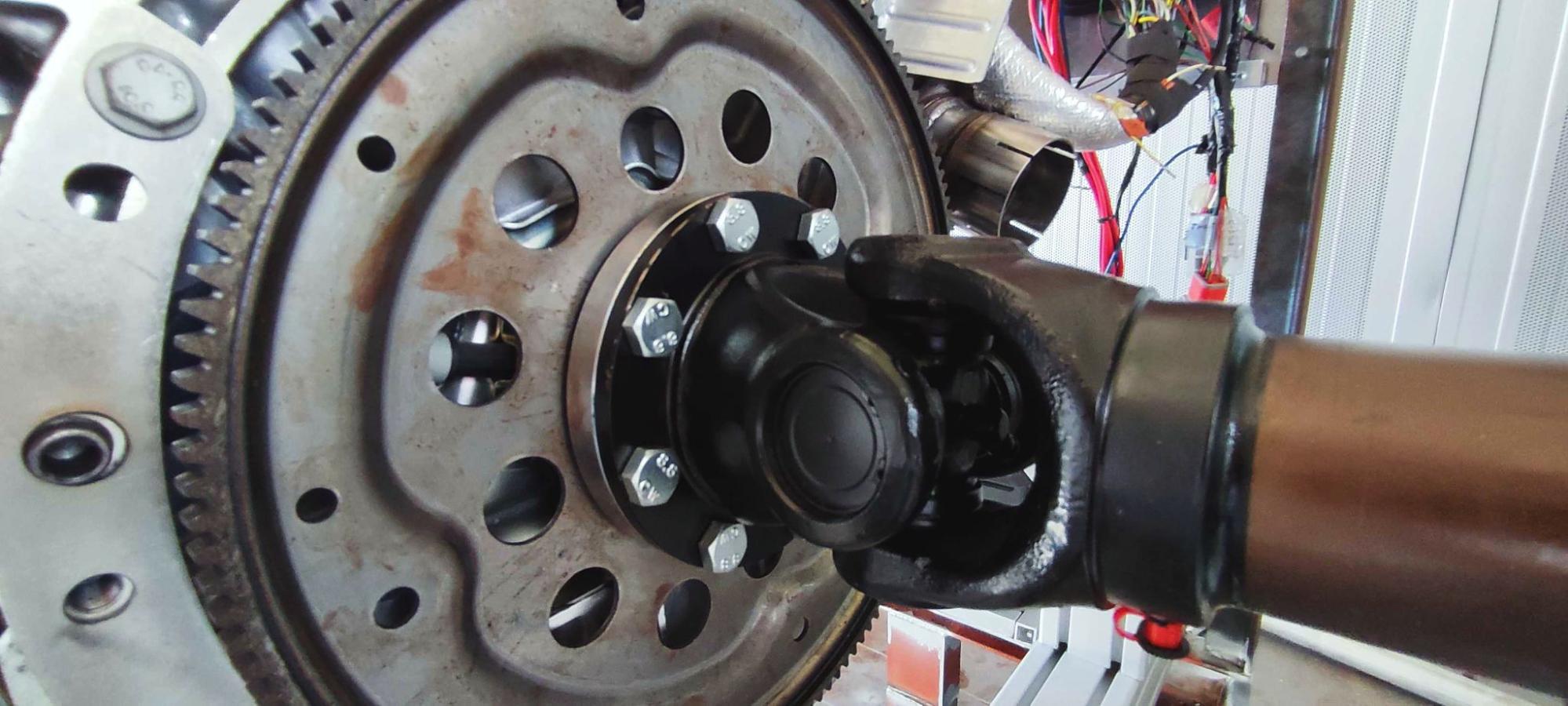
- Dyno Driveshaft (Cardan) Adapter: CNC milled and turned from steel to bolt directly onto the engine flexplate, transferring full V6 torque at high RPMs with strict concentricity to eliminate dyno vibration.
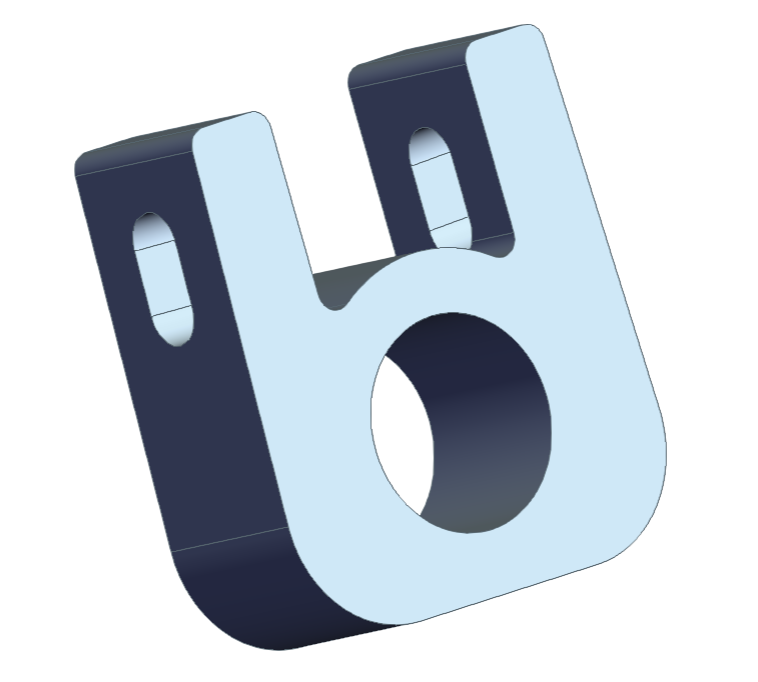
- Rear Suspension Rockers: CNC milled from high-strength 7075-T6 aluminium to withstand peak pushrod forces while maintaining precise motion ratios.
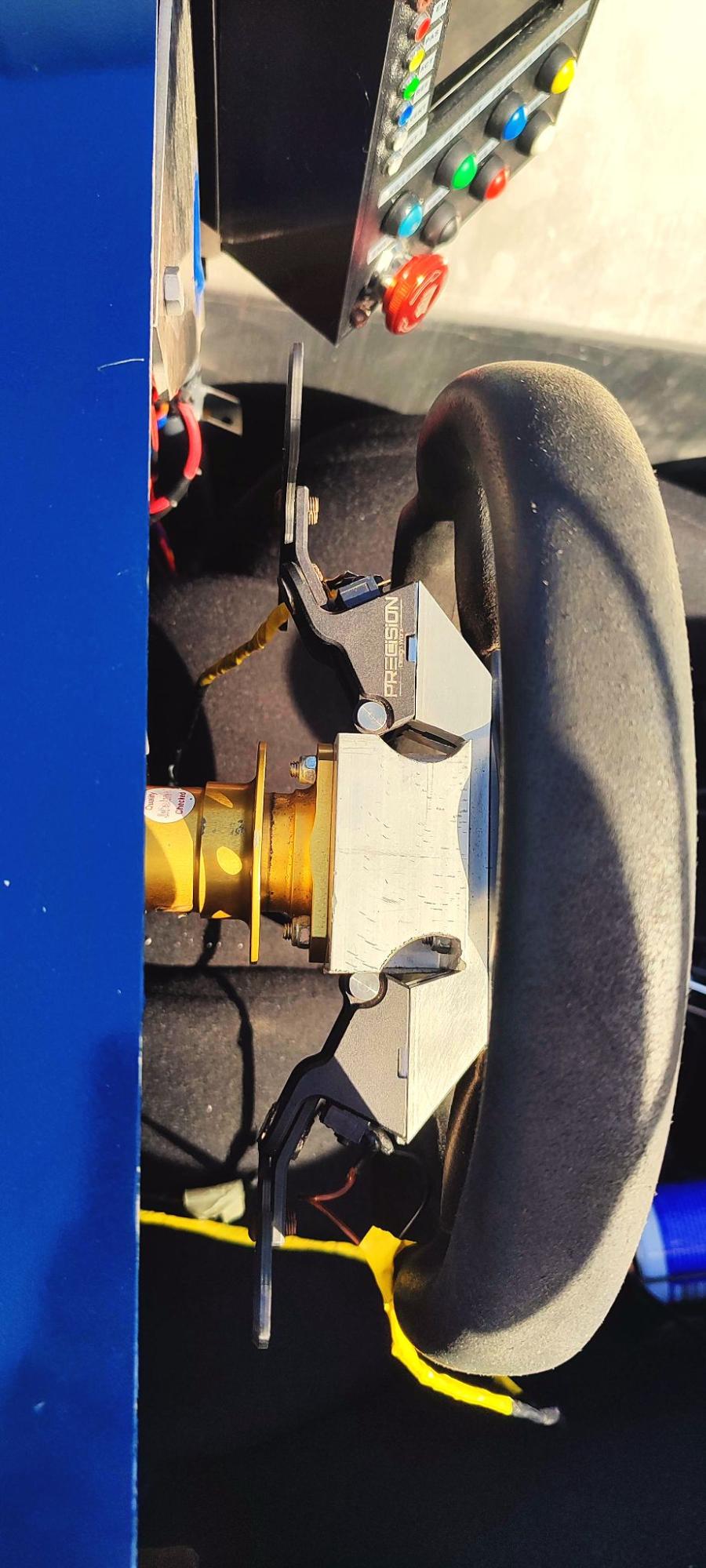
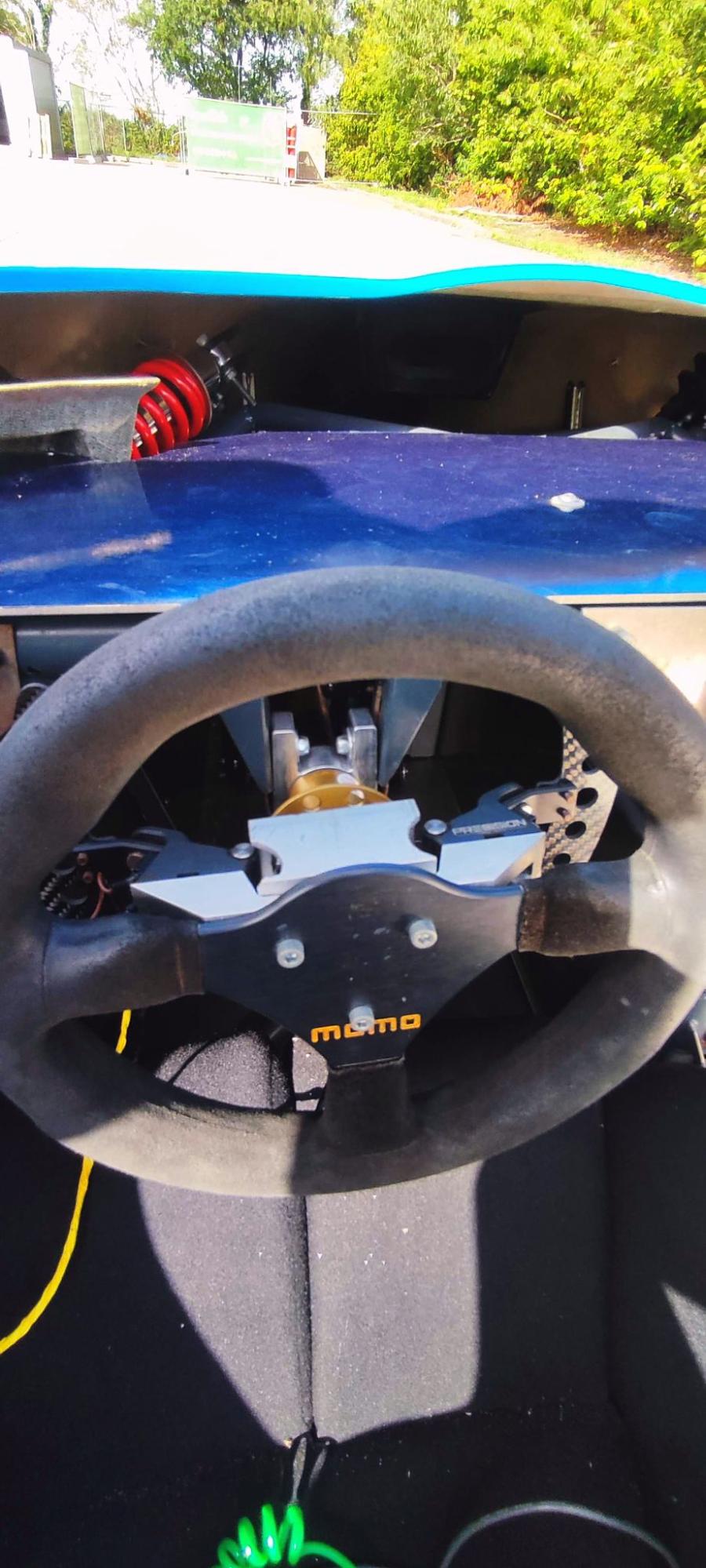
- Steering Shaft Support: CNC milled from structural aluminium to hold rigid bearing alignment between the hub and rack for crisp feedback.
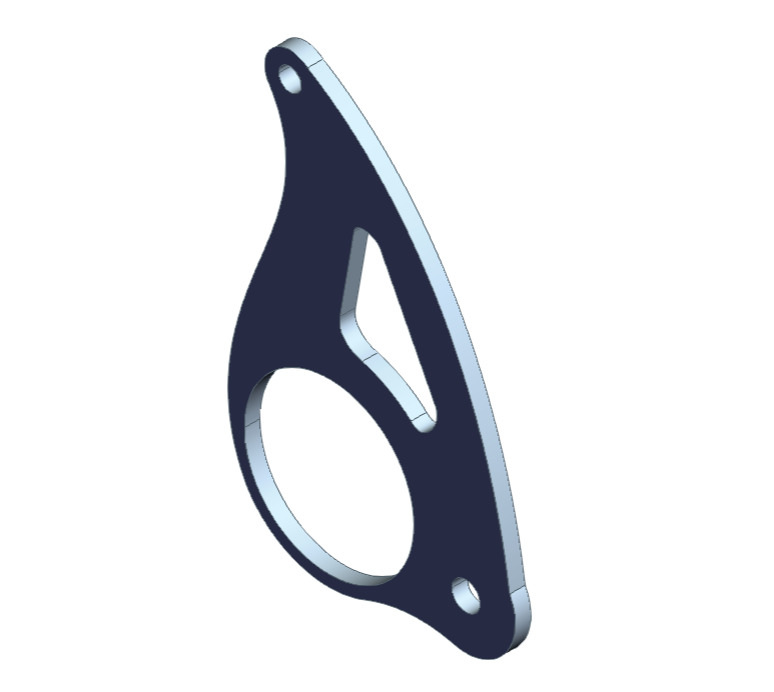
- Paddle Shifter Bracket: CNC milled from lightweight aluminium to secure precise paddle positioning through repeated rapid shifts.
Technical Spotlight: High Loads and Seamless DFM Feedback
1. Connecting the V6 Engine to the Dyno
Machined from solid steel with strict concentricity, the dyno adapter safely links the Ford V6 flexplate to the dynamometer propshaft without harmonic vibration.
2. High-Strength Rear Suspension Rockers
To maintain the exact pivot points and motion ratios calculated in FEA simulations, the rear rockers were CNC-milled from 7075-T6 aluminium, safely handling the peak concentrated loads transmitted through the pushrods.
3. Smart Design for Manufacturability (DFM)
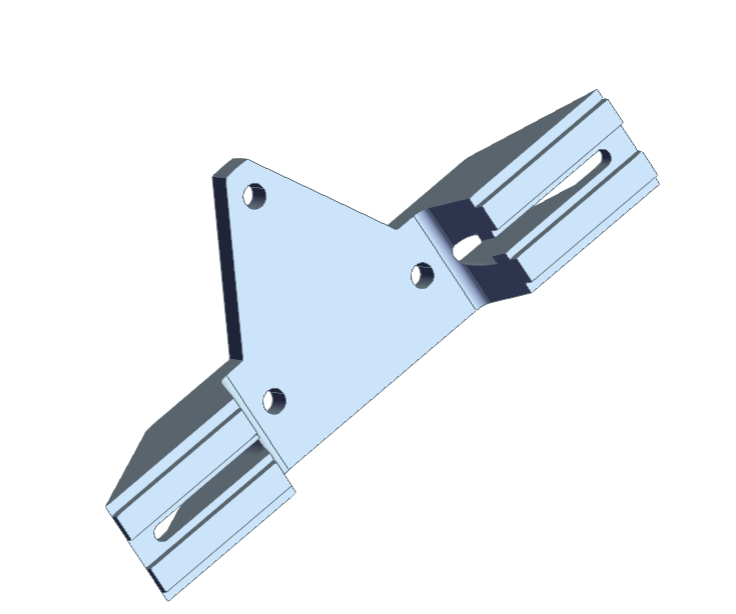
During the production of a custom bracket, Xometry’s automated DFM feedback highlighted sharp internal corners in the initial CAD model—a feature impossible to mill cleanly with standard rotating tooling without leaving an internal radius.
Accelerating Toward a Zero-Emission Future
With Xometry supplying critical machined components, Hydro Team successfully brought their engine test bench online and continues refining the V0 prototype.
As the team prepares to build V1—a heavily modified GT-style race car featuring a 3.5L twin-turbo V6 engine for competition in 2027—they rely on Xometry’s instant pricing, guaranteed tolerances, and transparent lead times to keep every engineering milestone on track.
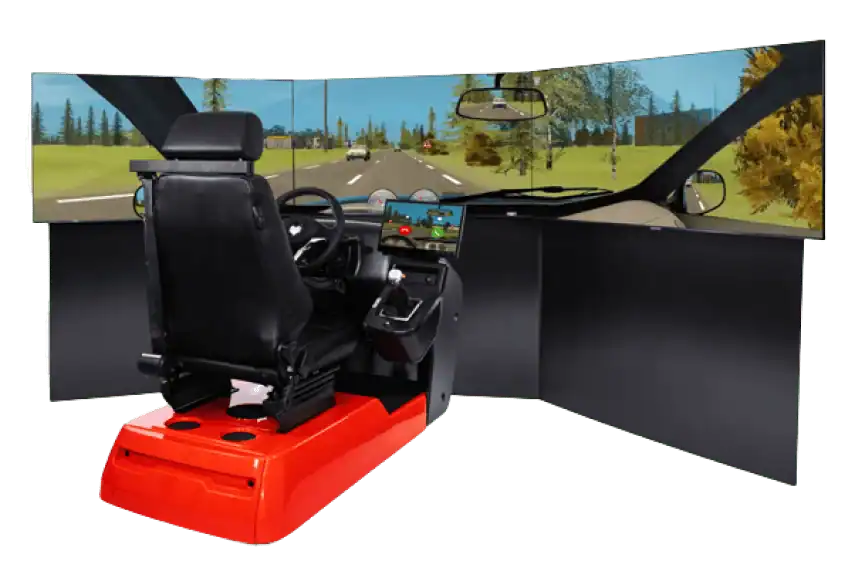
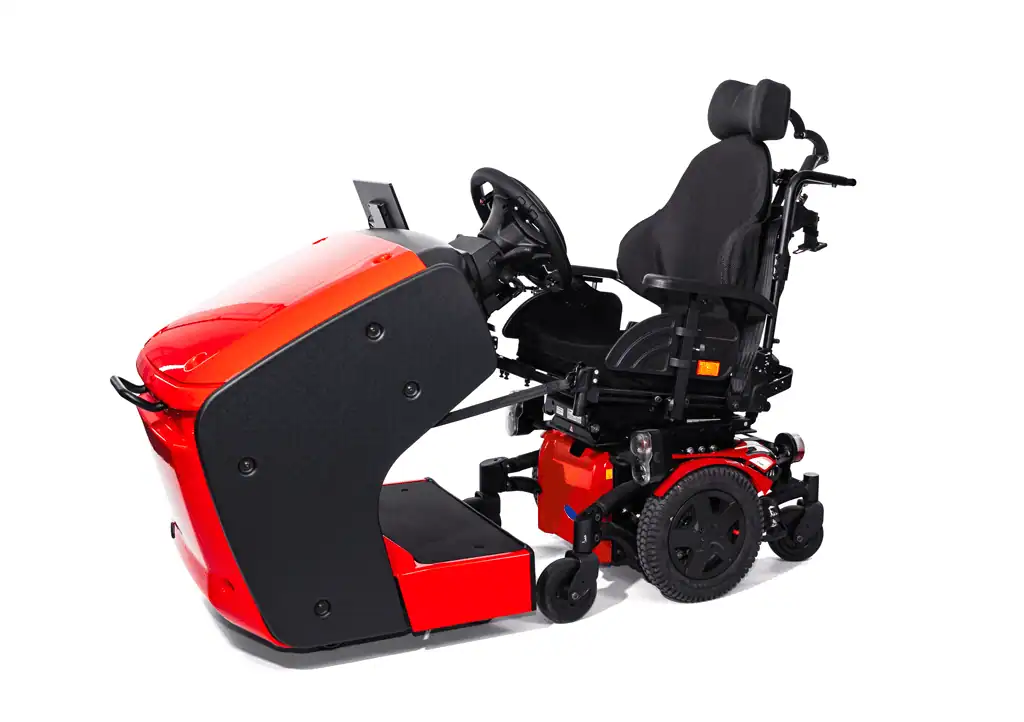


Develter Partners With Xometry to Manufacture a Driving Simulator for Rehabilitation With Unrivalled Flexibility
Automotive
CNC Machining
Sheet Metal Fabrication
Prototyping, R&D
Read Story
Discussions with Servane Freneat (Key Account Manager for France) about the gear knob were crucial in finding the best manufacturing process and achieving a result that was as close as possible to a production part.
Read Story
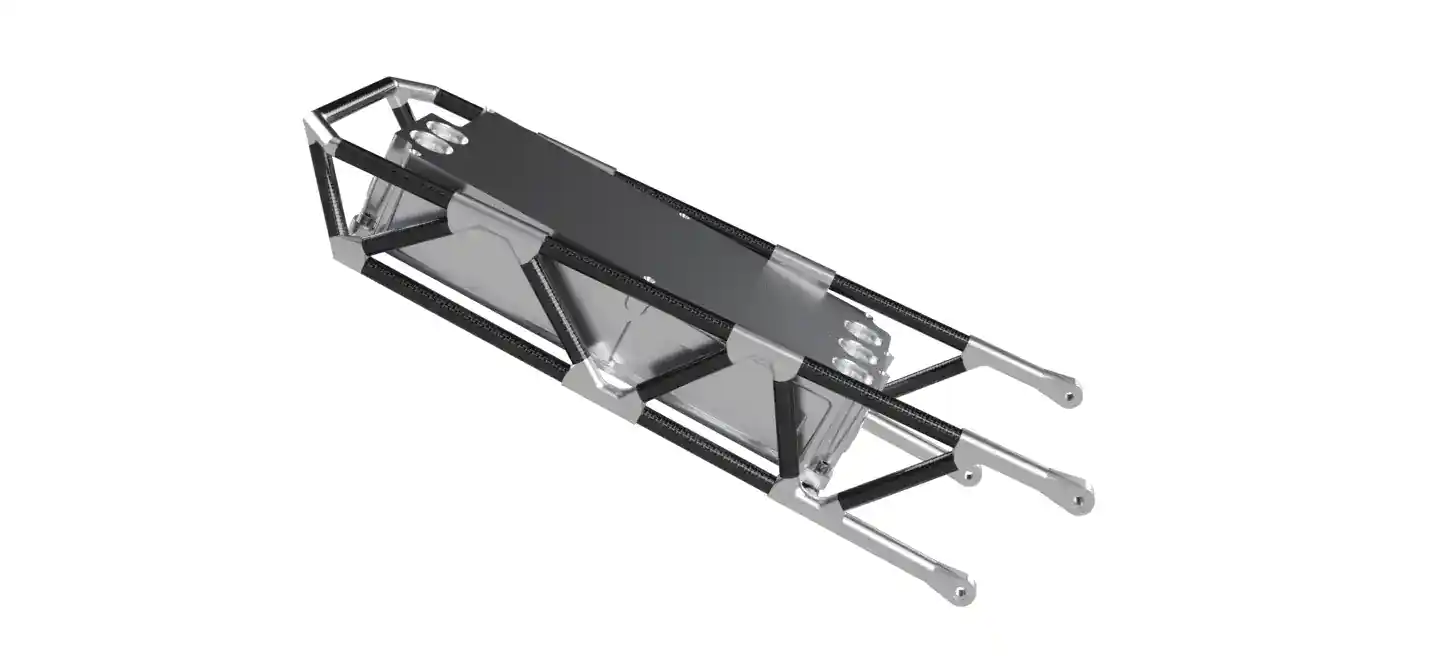



Xometry Assists in the Production of Warwick Moto’s Industry-leading Superbike Subframe
Automotive
E-Mobility
CNC Machining
Prototyping, R&D
Read Story
With the electrification of motorsport growing, an ambitious team of dedicated University of Warwick students has committed to producing a highly innovative electric superbike. The case study is prepared in collaboration with the Press, Partnership and Sponsorship team at Warwick Moto.
Read Story
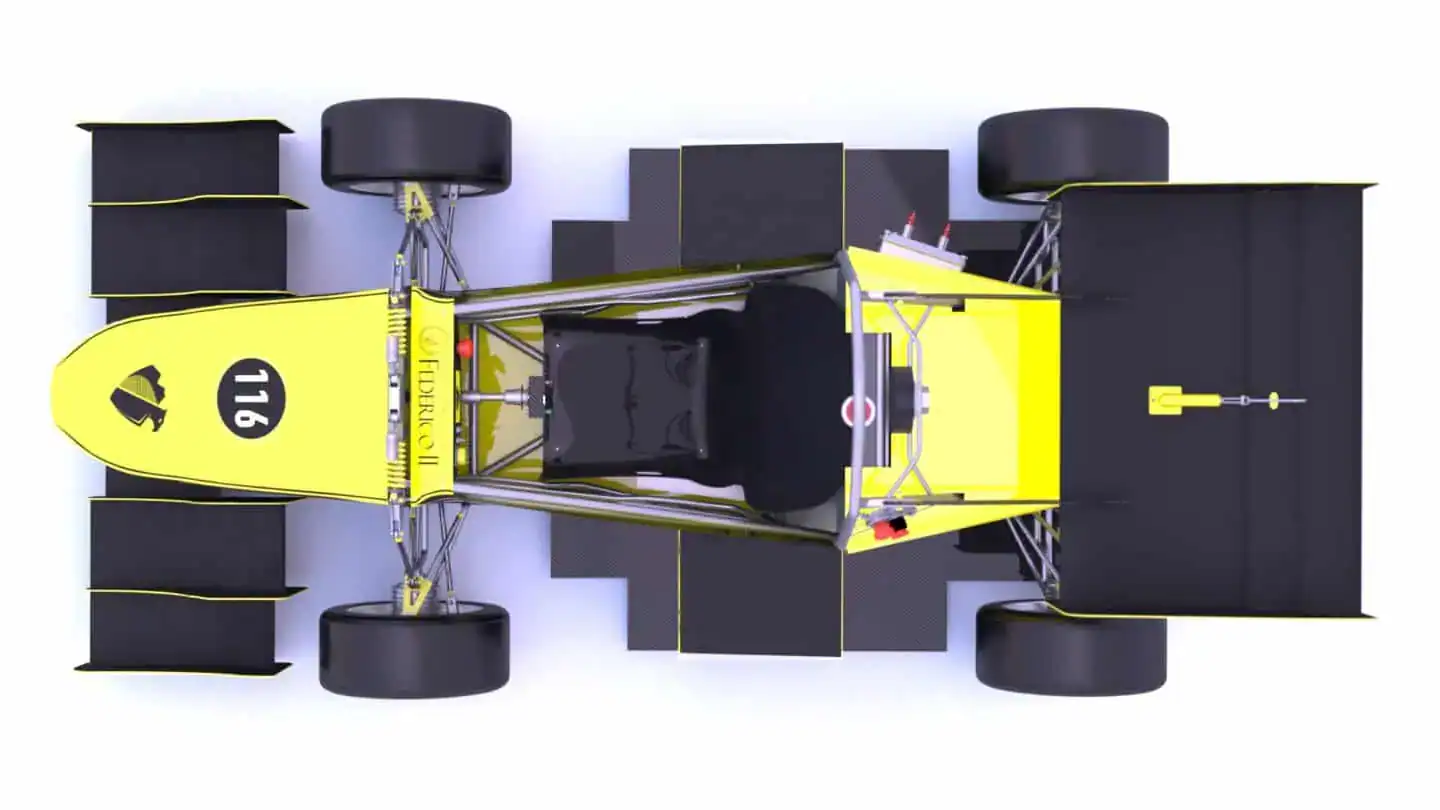
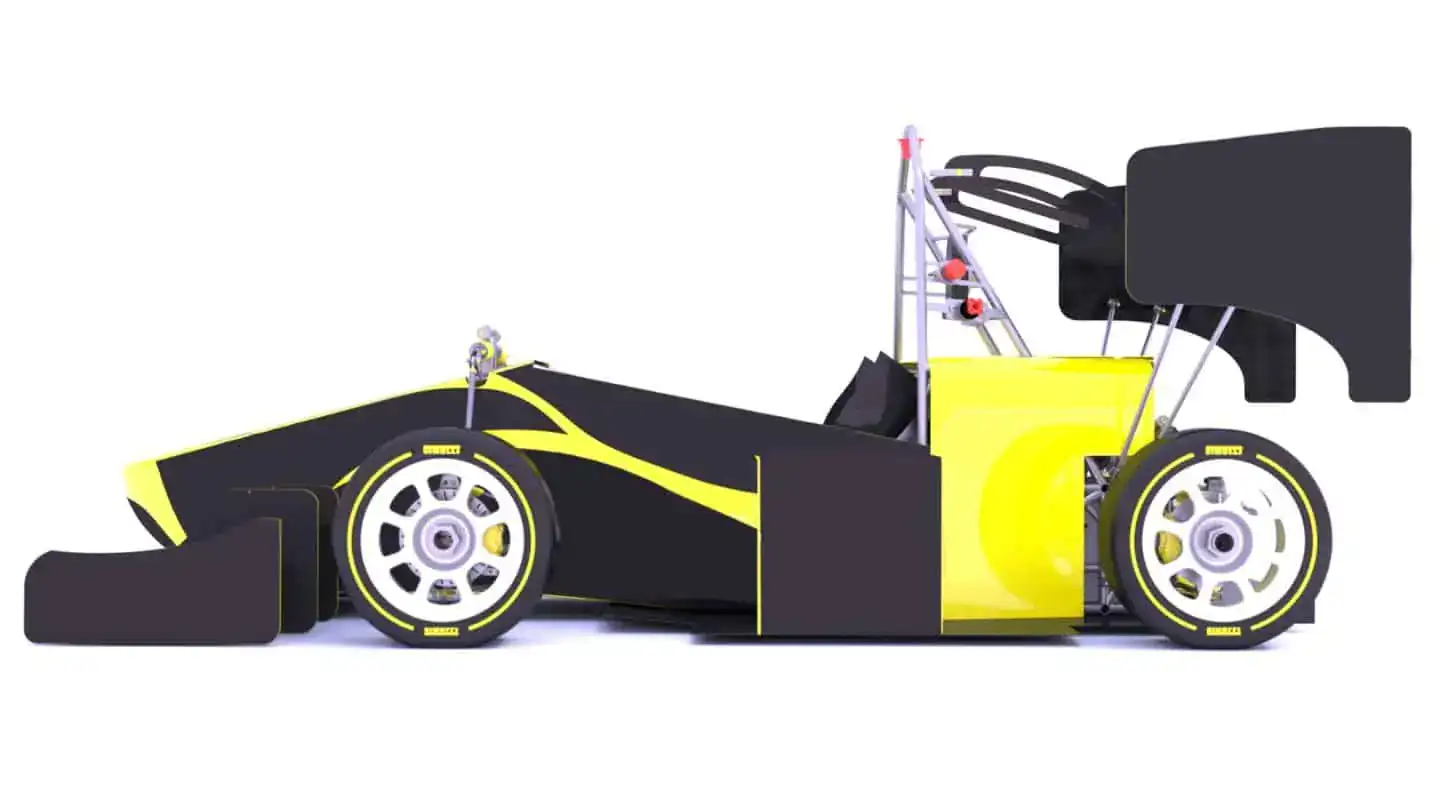

Even Faster: Student Formula SAE Team Improves Their Car With Xometry Support
Automotive
CNC Machining
Prototyping, R&D
Read Story
We are very happy with the quality of the parts, they respect all the characteristics we asked, from the materials to the tolerances. We have received the parts in time and are very grateful to Xometry…
Read Story
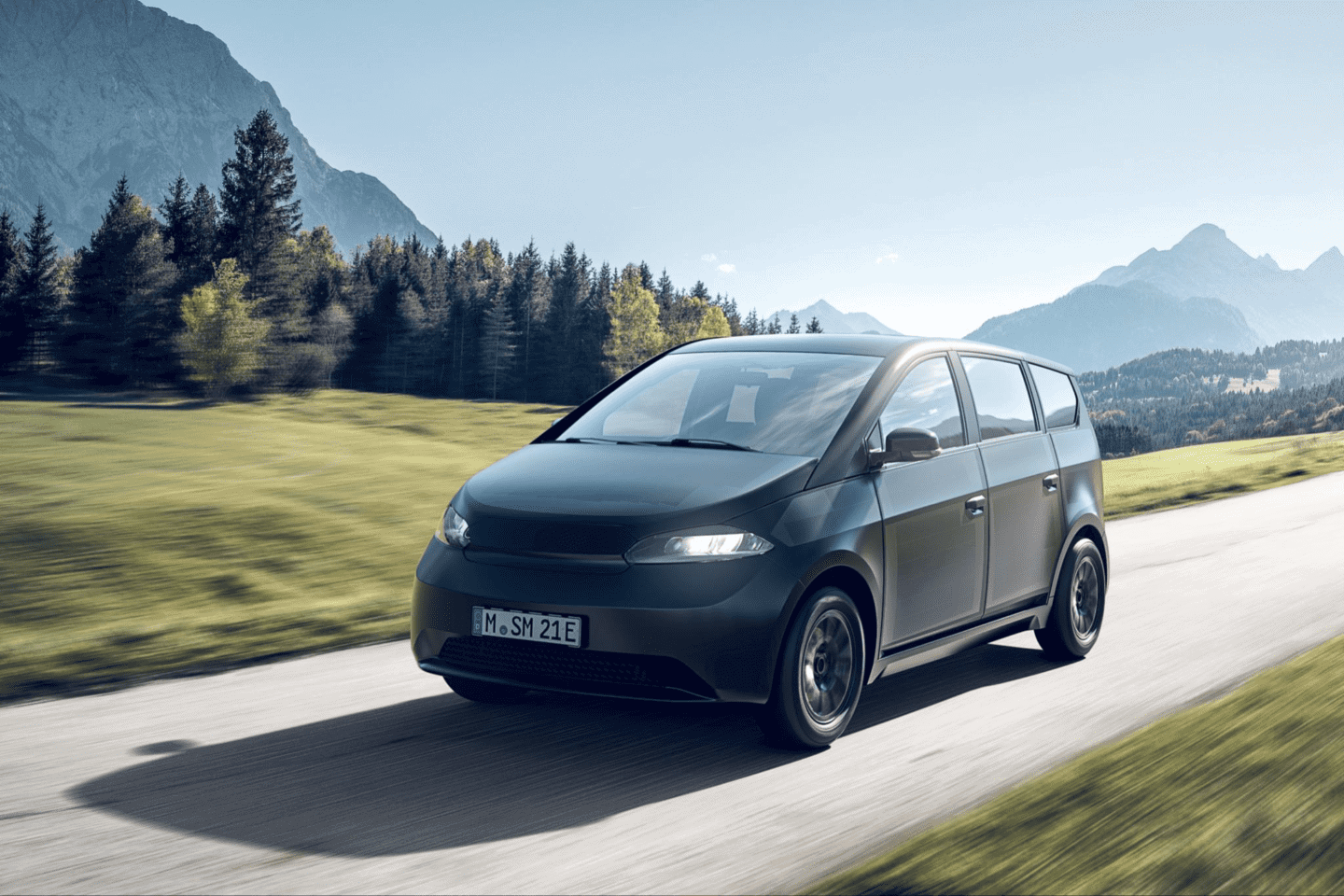
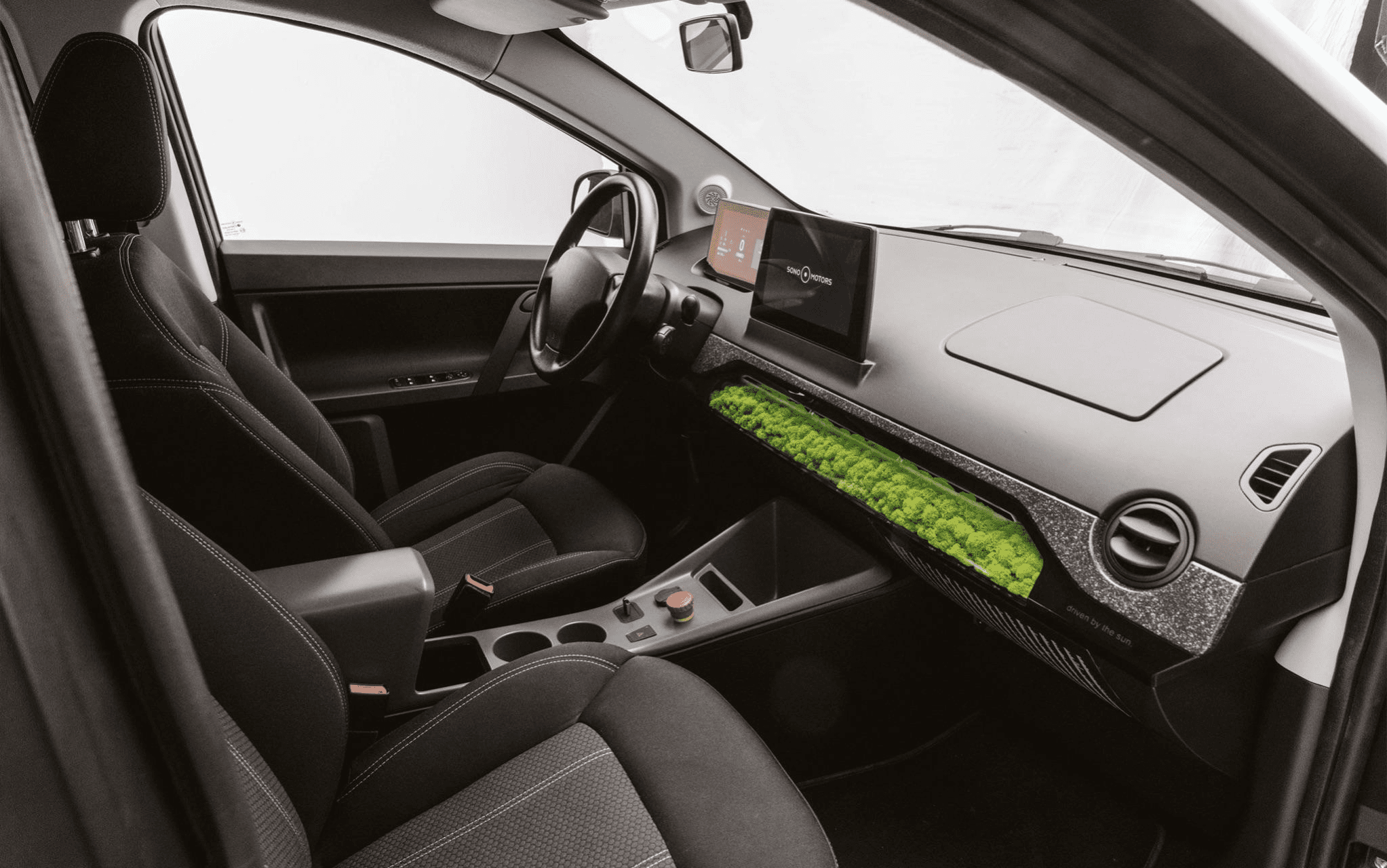


Solar Electric Vehicle Prototype Built with Manufacturing On-Demand
Automotive
E-Mobility
CNC Machining
Prototyping
Read Story
Xometry has provided us with great support in the CNC manufacturing of our MCU prototype enclosures … ensuring the right high-quality parts are delivered to the right location in record times on a very direct and personal basis.
Read Story
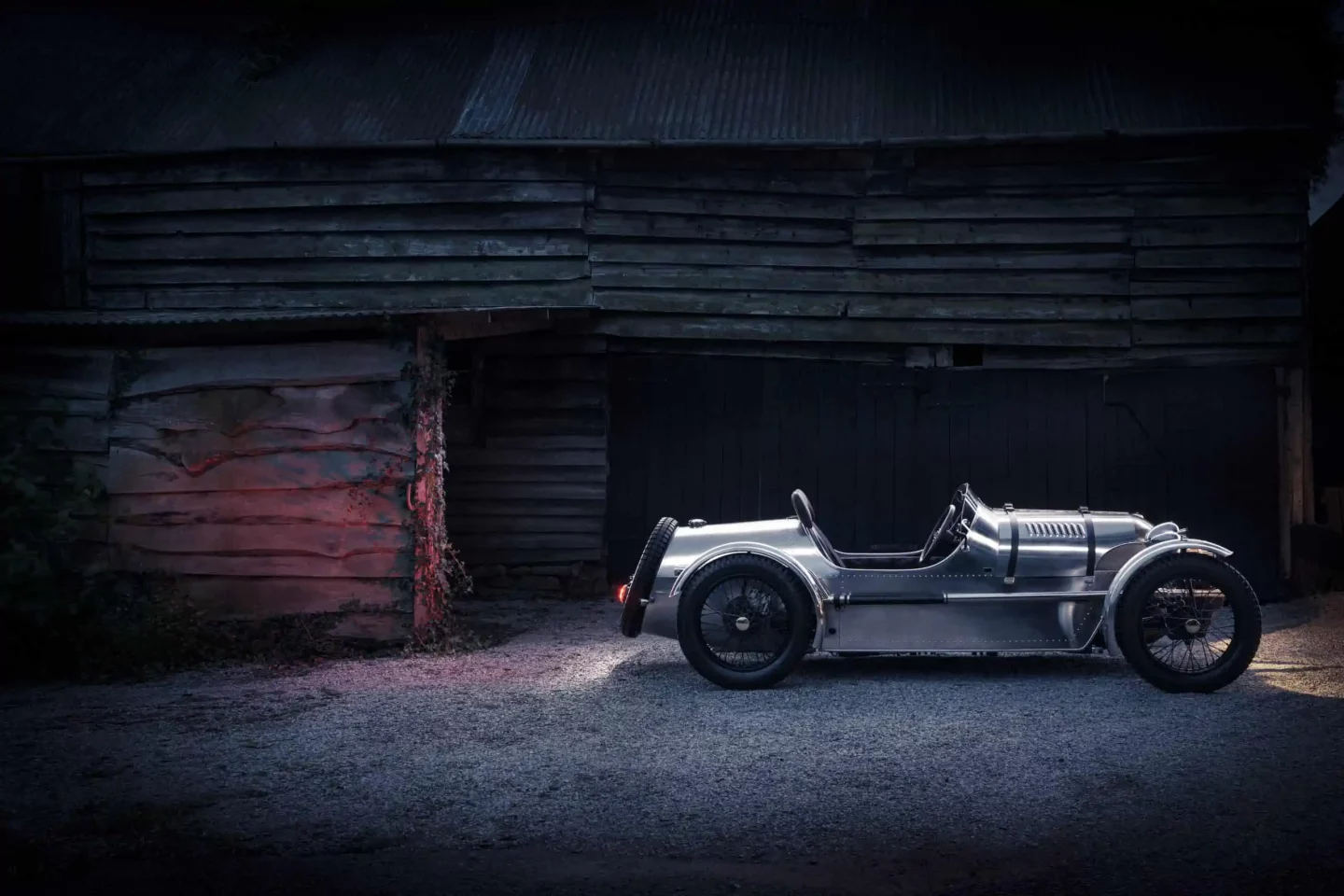
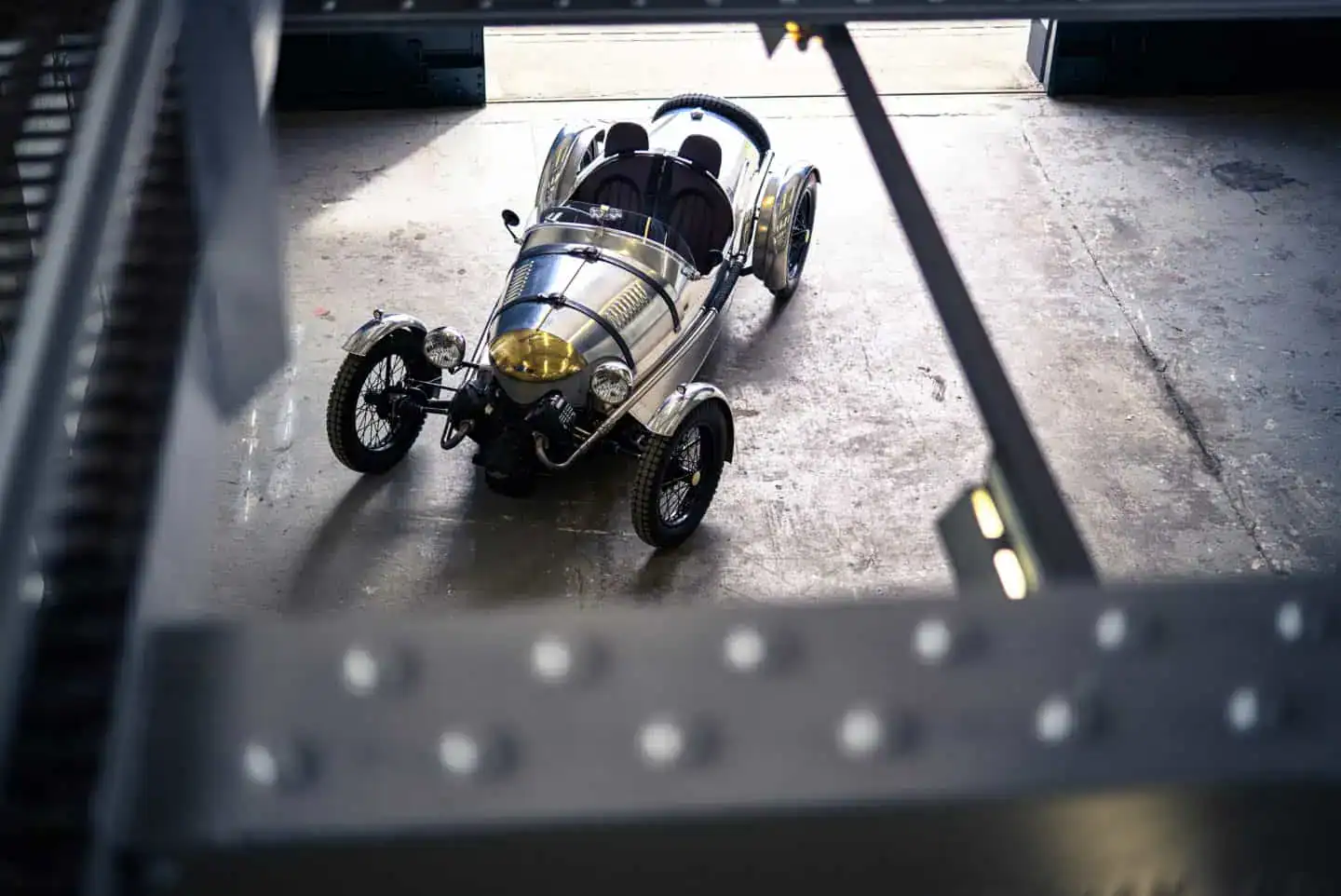

Pembleton: Meticulously Engineered Cycle Cars Built With On-Demand Manufacturing
Automotive
CNC Machining
Prototyping, R&D
Read Story
One of the things we love most is the instant quoting… it has drastically reduced the time taken to finalise designs and get them through to final production…
Read Story
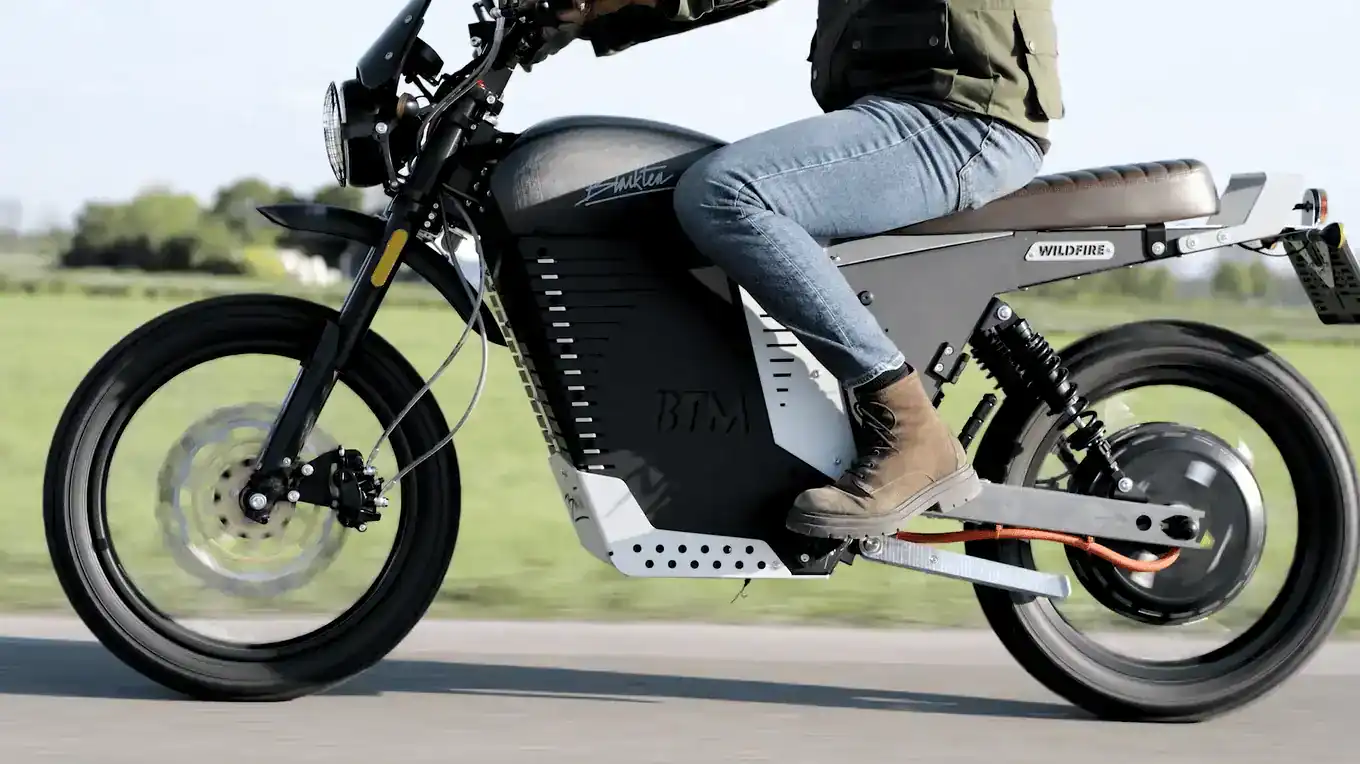
Play video
Video case
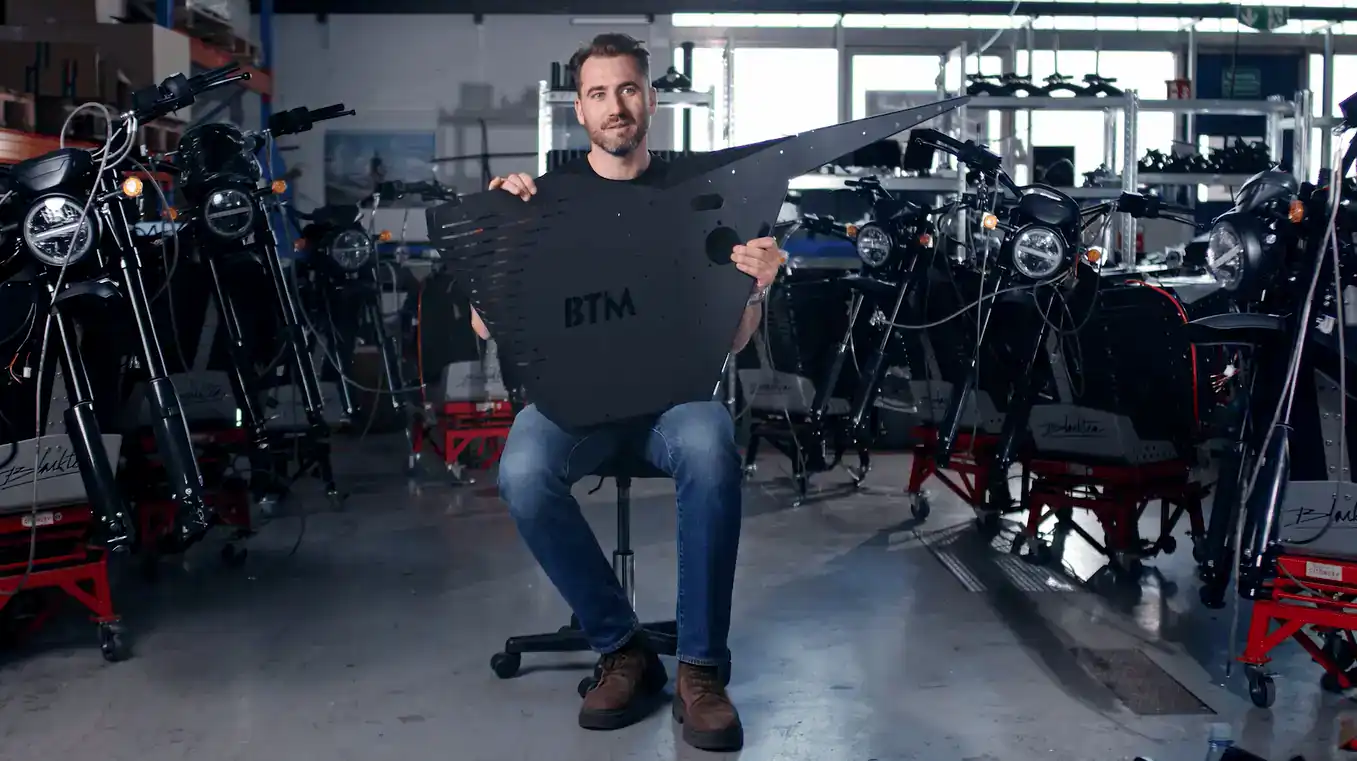

Efficient Sourcing of Electric Motorcycle Parts with Xometry
Automotive
E-Mobility
CNC Machining
Sheet Metal Fabrication
Procurement, R&D
Read Story
Xometry was more affordable than other providers. We upload the parts, review pricing and feasibility, and get started right away.
Read Story
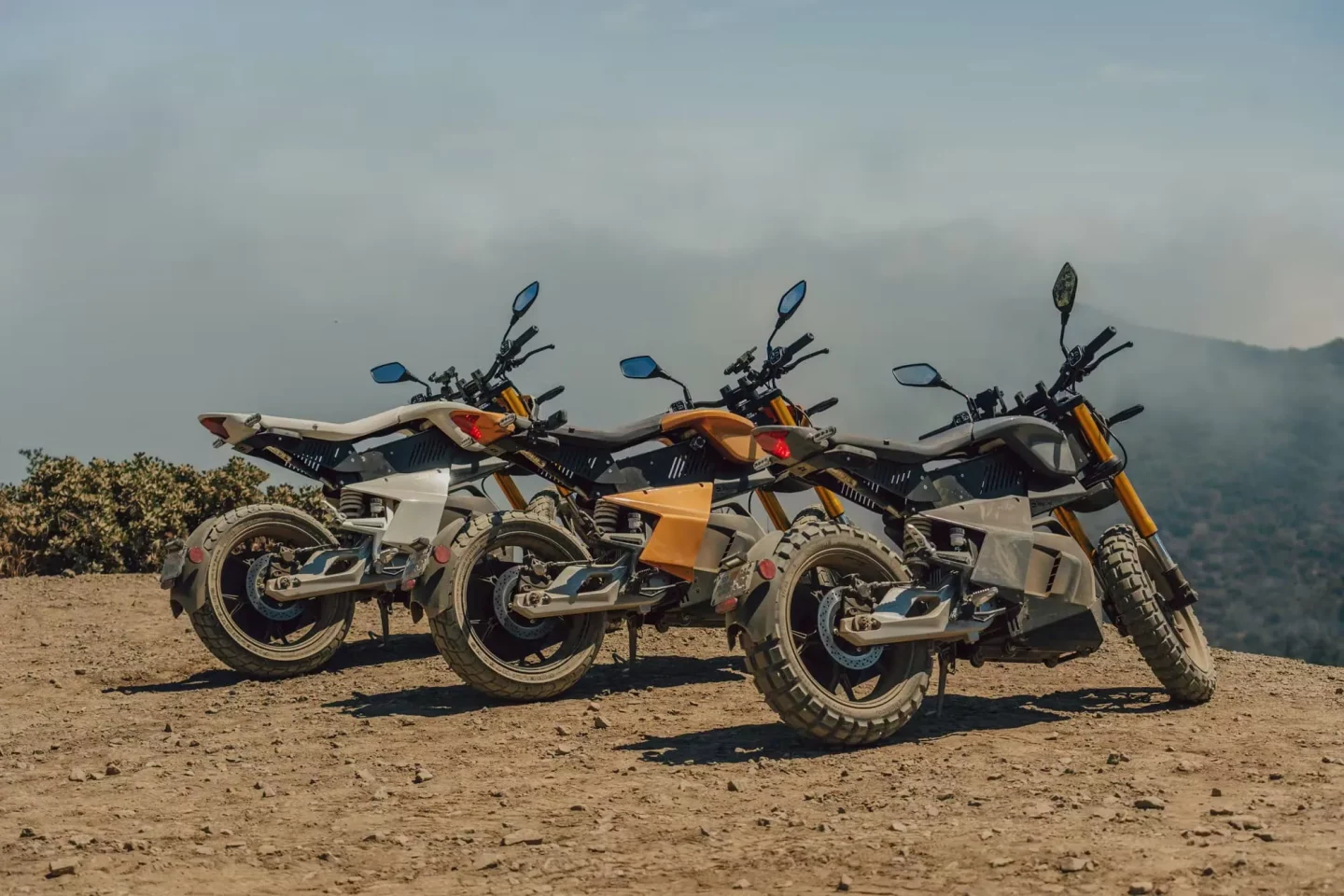
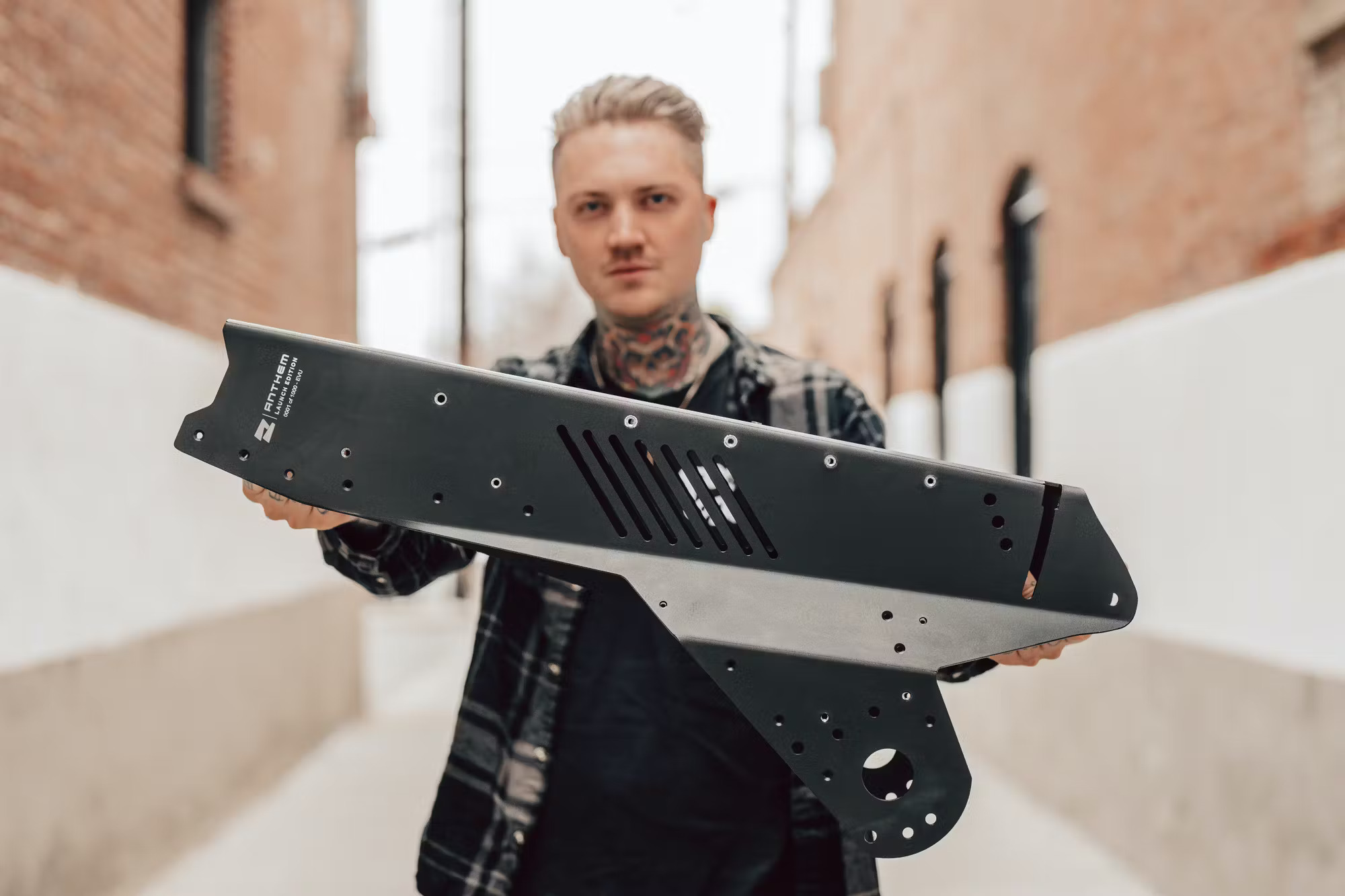

Ryvid’s Anthem EV Bike Races Through Production With Xometry’s Horizontal Supply Chain
Automotive
Sheet Metal Fabrication
Injection Moulding
High Pressure Die Casting
High-Volume Manufacturing
Read Story
The main benefit of [working with] Xometry is definitely speed. We had a vast network of vendors in China, which came with its own challenges. We had to manage the vendors and spent a lot of time project managing, QCing, and working through communication challenges. When we approached Xometry, we noticed right away that they gave us a lot of flexibility, especially with our mould tool. Xometry was really in that sweet spot for us. It was helpful to communicate with a partner that really knows engineering and design. The quality and speed from them were just different, which is really important for us because we needed to get the product out this year.
Read Story
Play video
Video case
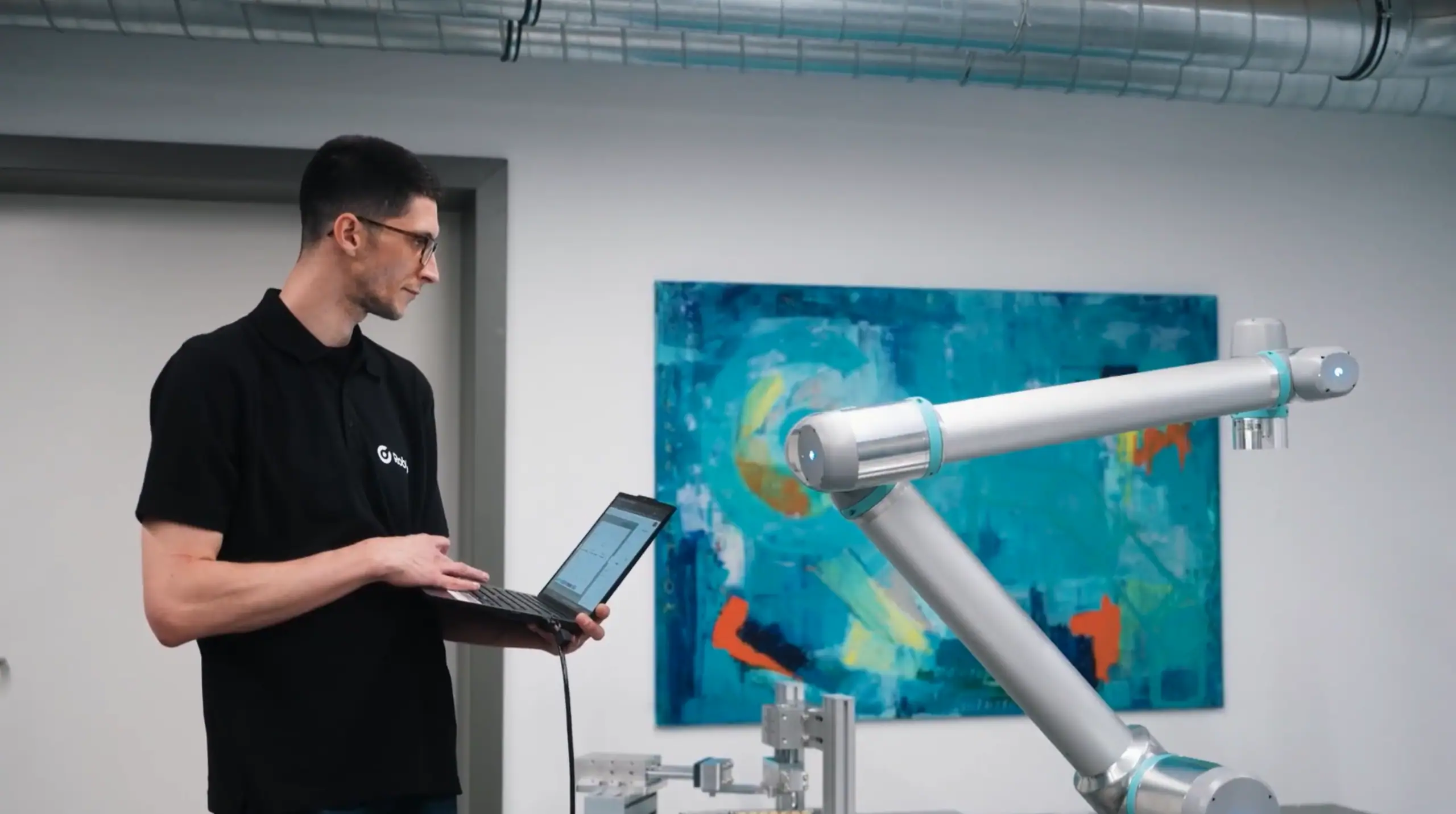

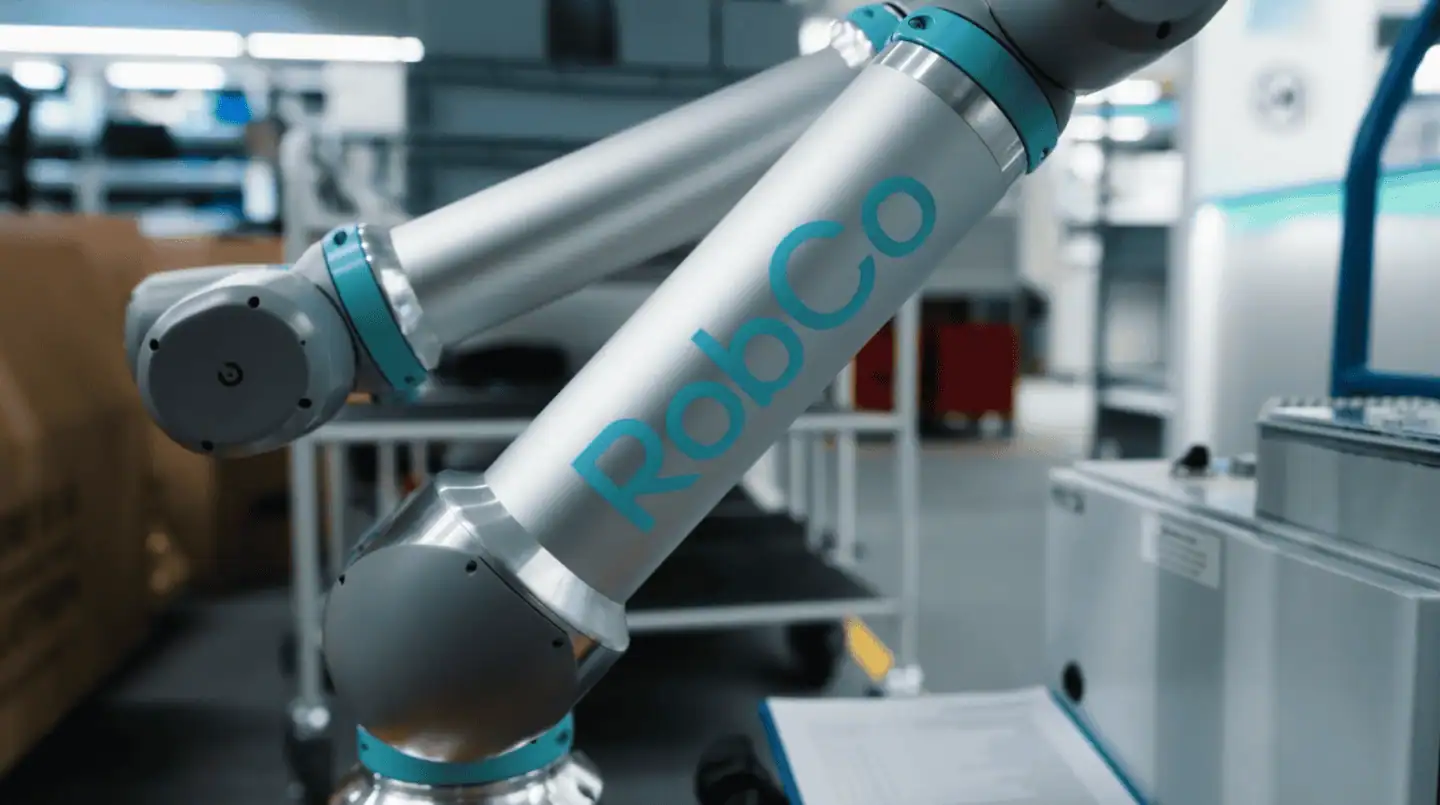
How RobCo Uses Xometry for Fast and Flexible Part Sourcing in Modular Industrial Robotics
Robotics
CNC Machining
Procurement
Read Story
RobCo develops modular industrial robots that automate repetitive, simple – and even highly complex – tasks in manufacturing. Based in Munich, the company was founded to address one of the most pressing challenges in the industry: the skilled labor shortage.
Read Story
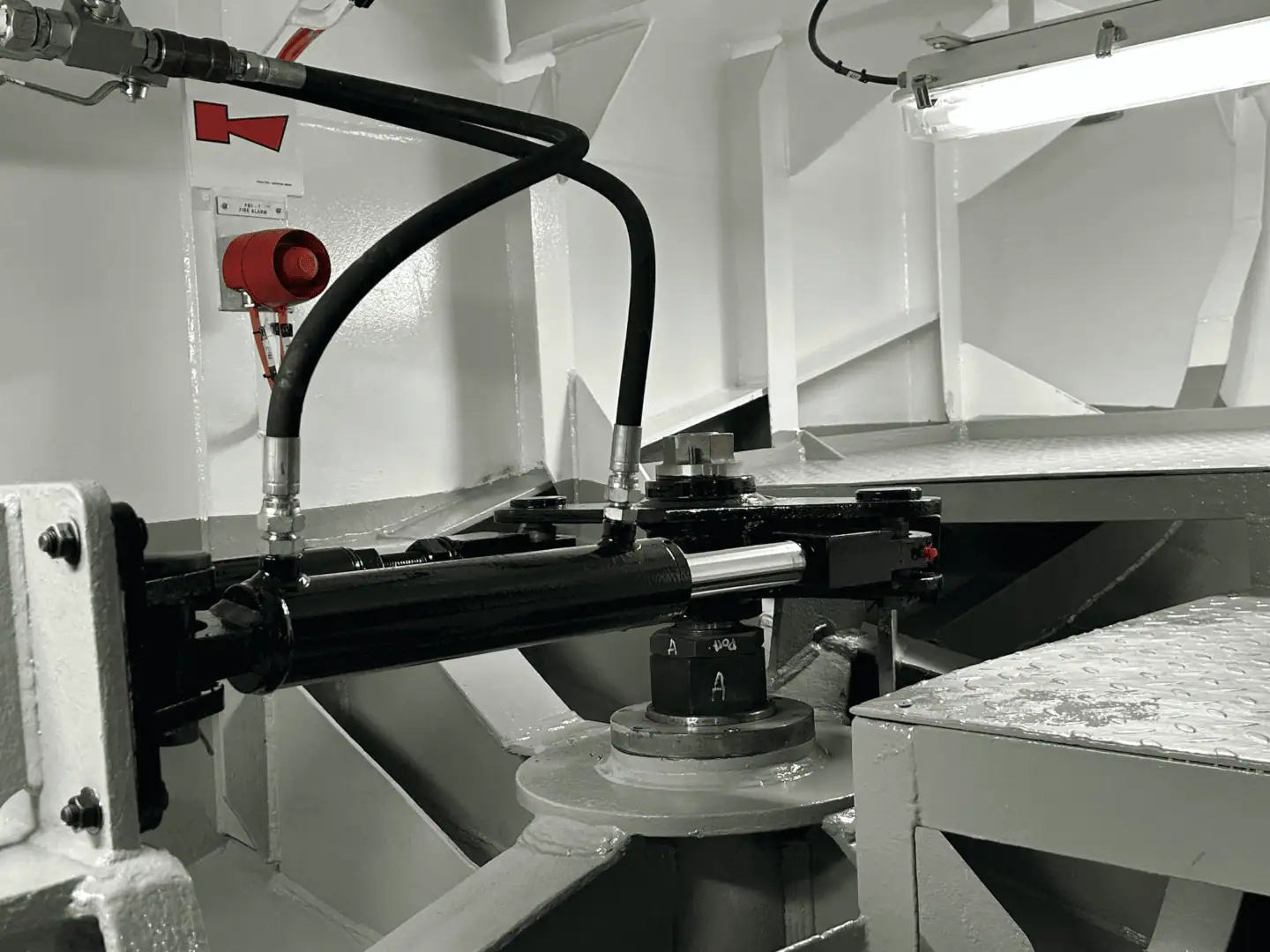
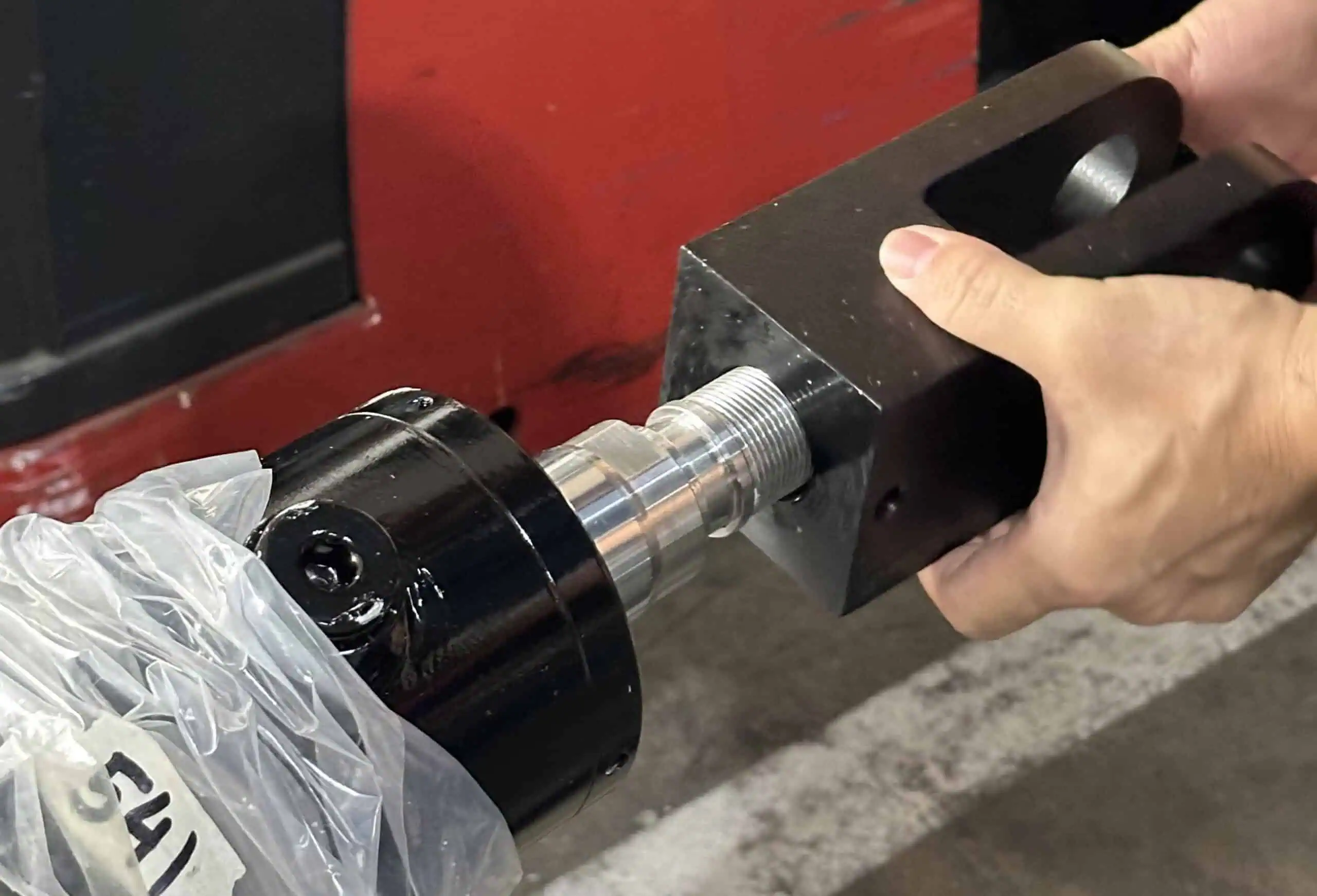

Precision at Speed: How Singapore’s KINGS Marine is Scaling CNC Sourcing with Xometry
Machine Building
CNC Machining
High-Volume Manufacturing, Procurement
Read Story
For Jerome Lim, CEO of KINGS Marine, the challenge of modern manufacturing isn’t just about the quality of the final part—it’s about the efficiency of the journey to get there. By integrating Xometry’s digital sourcing platform into their workflow, KINGS Marine has successfully completed a dozen of CNC machining projects, replacing traditional procurement bottlenecks with a high-speed, cost-effective, and reliable supply chain solution.
Read Story



R&D Efficiency Restored: Xometry Ensures Uninterrupted Supply of Critical Precision Parts
Machine Building
CNC Machining
Procurement, Prototyping
Read Story
Collaborating with Xometry allows us to concentrate more on our core R&D, saving substantial time and significantly boosting project efficiency.
Read Story
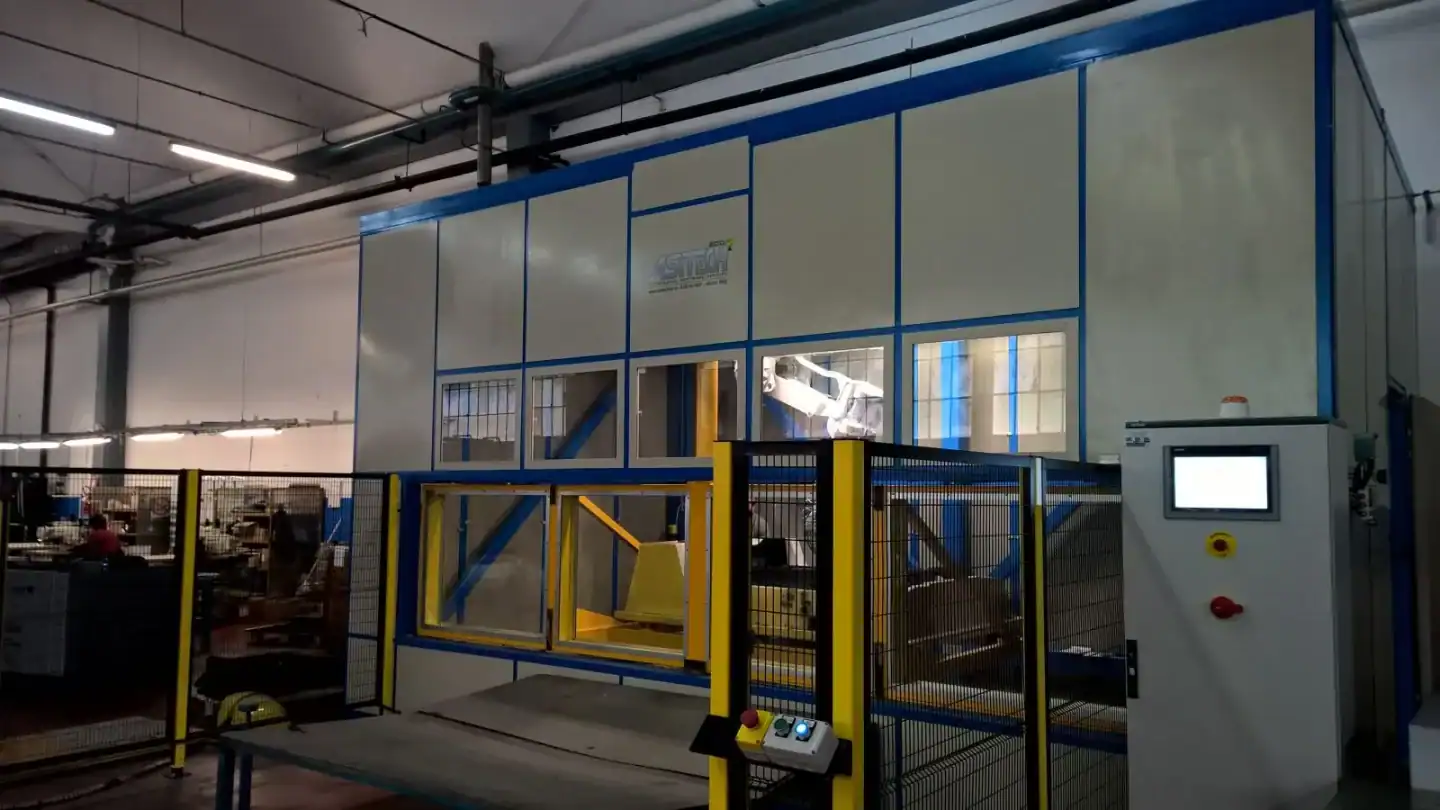
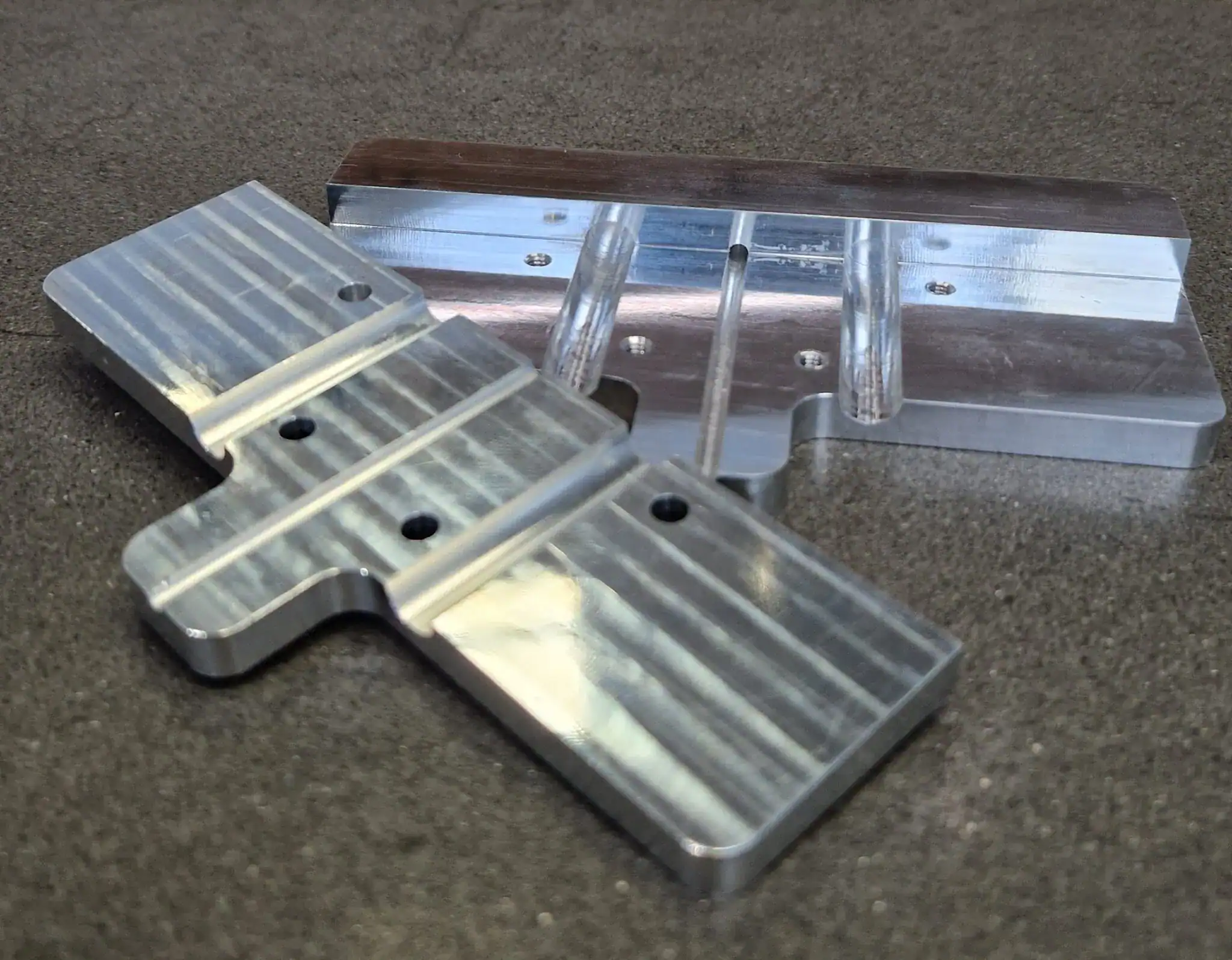

Customized Industrial Plants: Xometry Helps Asitech to Build Machines Quicker
Electronics
Machine Building
CNC Machining
3D Printing
High-Volume Manufacturing, Prototyping
Read Story
One of the main reasons was your Instant Quoting Engine, which impressed us and helped us a lot … in zero time, I can get a quote for 1, 10 or 100 pieces, and test how much it might cost to produce with one material over another.
Read Story
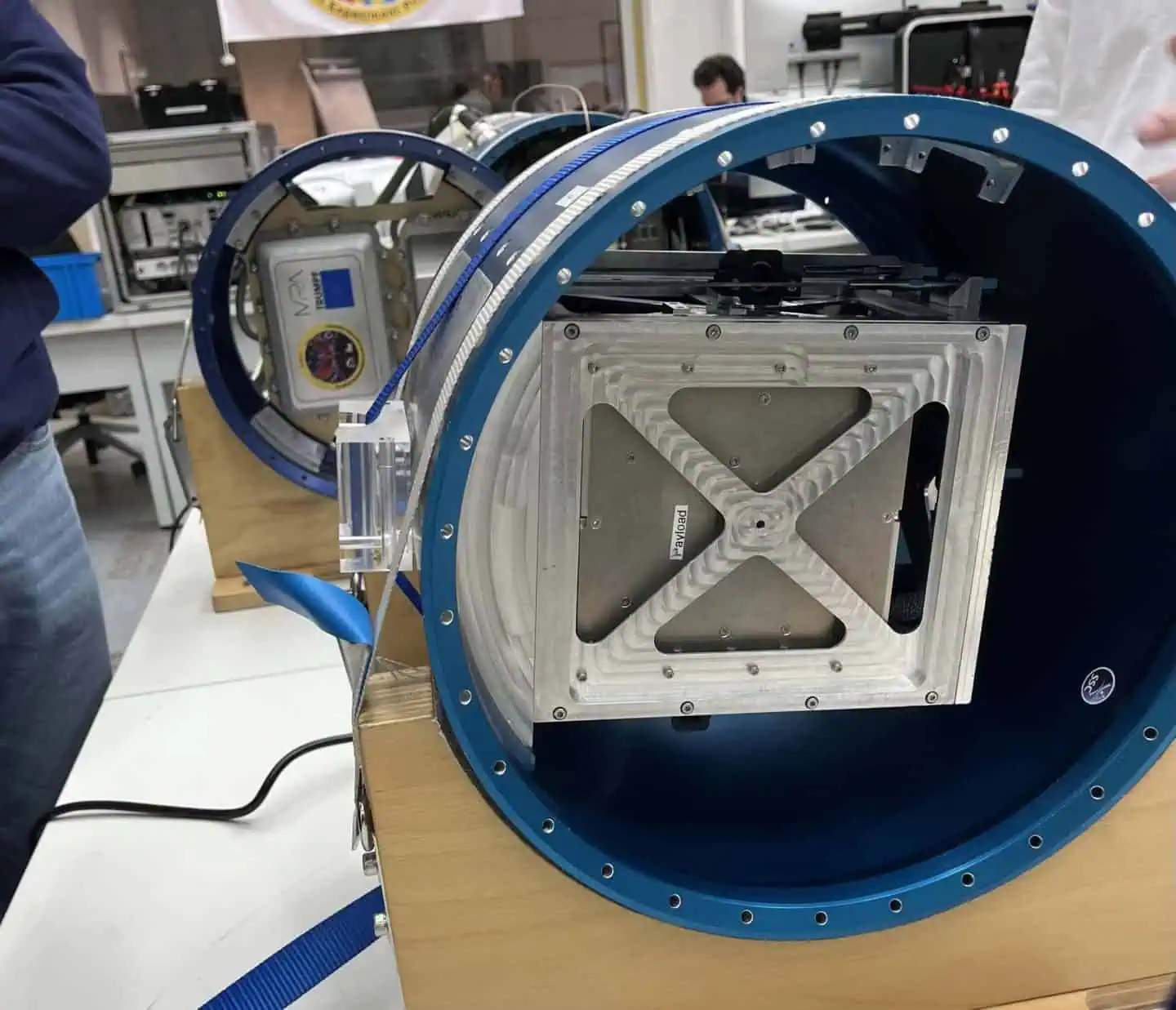
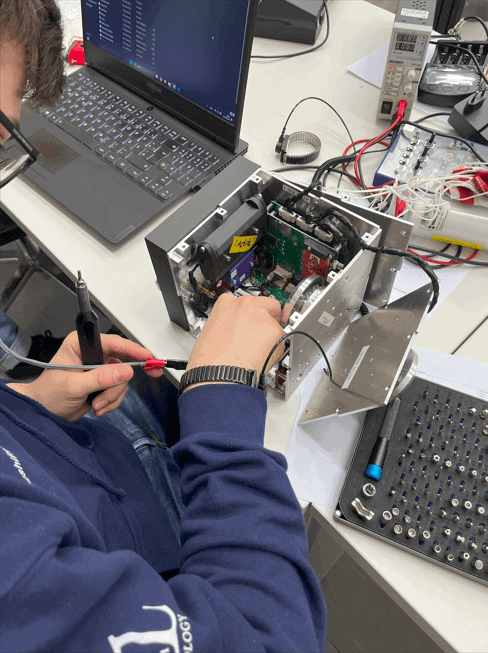

How Project FENRIR and Xometry Developed a Modular Free-Fall Experiment Platform for Microgravity Research
Aerospace
CNC Machining
3D Printing
Prototyping, R&D
Read Story
We were impressed with how smoothly the process went, from quoting to delivery. Xometry’s ability to deliver high-quality parts on time was essential to our success.
Read Story